



11 years on, have Gazans failed to invest in liberated areas?
More than a decade after Israel withdrew from the Gaza Strip, the liberated lands remain mostly empty, with analysts urging the Palestinian Land Authority to optimize the use and cultivation of these lands.

GAZA CITY, Gaza Strip — The last Israeli soldiers withdrew from the Gaza Strip on Sept. 11, 2005, as per the Israeli disengagement plan, which was set forth and started by Israeli Prime Minister Ariel Sharon on Aug. 15 of that year. The Palestinians dubbed the plan the “unilateral withdrawal,” as Israeli soldiers were redeployed on the border of Gaza. The Israeli army withdrew from more than 15,000 dunums (roughly 3,700 acres) of land it had occupied during the Six-Day War and the occupation of the West Bank and the Gaza Strip in 1967.
Gaza has a population of nearly 2 million people in an area of no more than 365 square kilometers (141 square miles). Meanwhile, the former 25 Israeli settlements in Gaza — which Palestinians call “the liberated areas” — constituted additional territory, after Palestinians had been deprived of that land for 38 years under the Israeli occupation. The pertinent question, however, is how Palestinians might take advantage of and invest in these liberated areas.
When traveling to the former Israeli settlements across the Gaza Strip, one sees largely untapped areas, save for a few residential projects carried out by international institutions, even though the Israeli withdrawal took place over a decade ago.
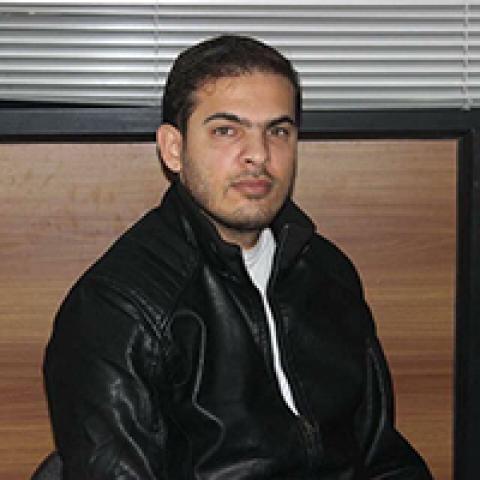
The Palestinian Land Authority (PLA) in the Gaza Strip is the government agency concerned with the lands. Amal Shimali, the head of the PLA's public relations and media office, told Al-Monitor, “The total of the liberated areas amounts to 5,000 dunums, where some international parties such as the United Nations Relief and Works Agency and the United Nations Development Program implemented housing projects, in addition to other similar projects for Palestinians funded by Saudi Arabia, the United Arab Emirates, Japan and Qatar.”


