



Regional Kurdish party in AKP'S crosshairs
The Kurdish Democratic Regions Party, which controls most of the local administrations in the southeast of Turkey, is under intense pressure not only over the self-rule movement in its provinces but as a staunchly democratic counterpoint to the authoritarian trend in Turkish politics.

DIYARBAKIR, Turkey — The Sirnak Popular Assembly meeting that included the Democratic Regions Party (DBP) in Silopi, Sirnak province, declared self-rule on Aug. 10, 2015, under the slogan, “From now on we as the people will build our lives on a democratic basis.” Silopi's was followed by similar declarations from Cizre, Sirnak, Hakkari, Mus, Batman, Van and Diyarbakir.
State prosecutors leapt into action when President Recep Tayyip Erdogan reacted to the self-rule declaration with, “They will pay the price.” Judicial investigations and police action against the declaration were immediate. In Sirnak, 10 locations including the residences of the DBP chairman and other party officials were raided. One member of the municipal council and two DBP officials were detained. In Yuksekova, in simultaneous raids at 15 locations, eight people were detained on charges of attempting to undermine the constitutional order. In similar operations, the DBP co-mayors of Sur and Silvan and many party members were rounded up.
Military operations targeting trenches and barricades in towns followed. In parallel, judicial processes were initiated against the DBP. Those who declared self-rule were detained and many were arrested. Charges were brought against rank-and-file party members, members of municipal councils and 21 mayors.
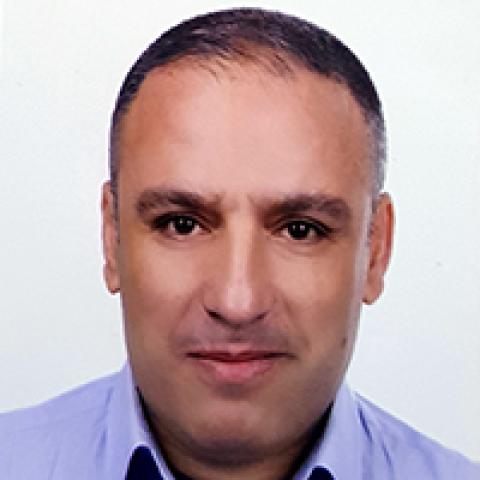
In time, the operations extended to the upper levels of the DBP, including its co-chair Kamuran Yuksek, who had become well-known after accompanying the co-chair of the Peoples' Democratic Party (HDP), Selahattin Demirtas, to Moscow and visited the United States and Britain. Yuksek had been in prosecutors' crosshairs ever since. Summoned several times to give depositions, Yuksek was detained on May 10. Although his press statements were cited as the cause, he was detained on charges of membership in an armed terror organization.


