



Jerusalem and Hebron: A tale of two cities
East Jerusalem and Hebron are bound by familial ties and shared solidarity from their experiences under Israeli occupation.
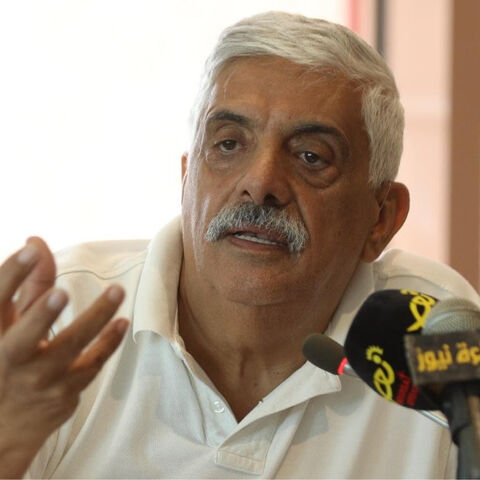

The story of the Palestinian uprising that began Sept. 13 with protests against Israeli intrusions at the Al-Aqsa Mosque compound on the Jewish New Year is actually the story of two cities — Jerusalem and Hebron.
Of the 84 Palestinians listed by Shfa News as having been killed by Israelis as of Nov. 9, the majority, 57%, are from Jerusalem and Hebron. The 30 Palestinians killed in the Hebron area represent 36% of the current death toll, while the 18 killed in Jerusalem constitute 21% of those whose lives have been cut short by the Israelis.
The protests that spread throughout the West Bank and Gaza may have begun in Jerusalem, but the bulk of the Palestinians resisting the Israeli occupation and paying the ultimate price come from Hebron. What is it about Jerusalem and Hebron that unites them at the forefront of the struggle against Israeli military forces and the Jewish settler population?
From the start of the Israeli occupation in June 1967, these two cities have been the most affected by the illegal drive to settle Jews at their heart. After the Israelis captured Jerusalem's Old City on June 7, they razed the Mughrabi Quarter, adjacent to the Western Wall and where many Palestinians originally of Moroccan origin lived. The Israelis also reclaimed the Jewish Quarter and have since forbidden non-Jews to live there.


