



Could Israel’s policies pave way for an intifada?
Israel’s systematic marginalization of Palestinian residents in Jerusalem and its separation of them from the Palestinian Authority are recreating the ingredients for an uprising.

In the early months of the first intifada, Palestinians waited for the underground leadership's directions, which came out in a numbered statement that was quickly distributed by fax throughout the occupied territories. The leaflet, Bayan al-intifada, came to be regularly issued by what was known as the Unified National Command of the Intifada. This underground leadership was a well-kept secret, and for Israel, its members were like needles in a haystack.
In 1987, I was asked about it in an interview with Israel TV about the leadership. I answered half-jokingly that it could be meeting anywhere, including in West Jerusalem or even in a Tel Aviv cafe. I am told that this made Israelis go berserk, not knowing which of the Palestinians they saw at their cafes were part of the underground leadership and which were simply out for a cup of coffee.
At the time of the first intifada, there was no wall and no restriction on the movement of Palestinians from the occupied territories into Israel.
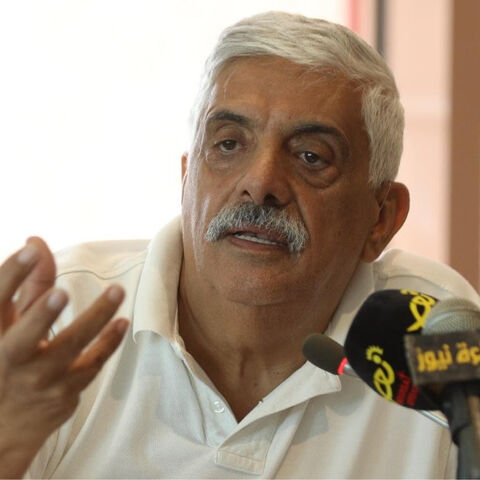
In Nov. 13 meeting of journalists who worked at the now defunct Palestinian newspaper Al Fajr, Hatem Abdel Qader, one of the paper’s editors who later became a member of the Palestinian Parliament and a minister for Jerusalem affairs, revealed that the underground leadership often met on the premises of the newspaper’s Nablus Road offices in East Jerusalem. An editor in attendance indicated that the third leaflet had been produced at the newspaper premises. A Palestinian engineer from Ramallah, Khaled Batrawi, posted on his Facebook page this week that he had been aware of a number of meetings of the underground leadership held in West Jerusalem.


