



Iraqi leaders on track for cooperation
The atmosphere of cooperation currently prevailing among the Iraqi presidency, government and parliament should turn into a long-term project leading Iraq toward a better future.
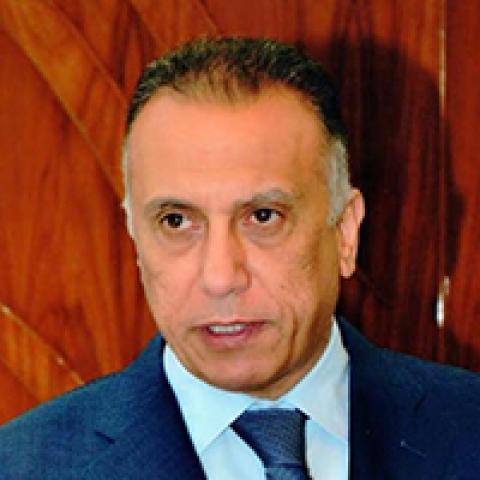

Relations among the top three Iraqi leaders — Prime Minister Haider al-Abadi, President Fouad Massoum and parliament Speaker Salim al-Jabouri — are thus far on the right path, with the tense atmosphere that plagued such relations over the past years having given way to friendlier interactions and a desire for cooperation and integration. This cooperation, however, should not be limited to fodder for the media. It should be integrated into the working context and turned into mechanisms that will allow these authorities to guide the country past the danger currently threatening it.
It is clear that cooperation between Abadi and Jabouri was positive early on and contributed to completing the formation of a government with the selection of ministers of defense and interior. Notably, neither man tried to blame the other for the delay for weeks in the selection of these last two ministers. This set the stage for filling their positions, which had be left vacant throughout the second term of former Prime Minister Nouri al-Maliki.
This important step could not have been achieved in the absence of an atmosphere of cooperation, which has prevailed since Abadi was tasked with forming a government. Abadi has even been asked to address the parliament on the security situation, and the prime minister has asked parliamentarians to open a discussion about developments on the ground, a request not made in previous legislative sessions.
The attitudes and statements of the top leaders reinforce the spirit of coordination between Abadi and Jabouri on the one hand and with Massoum on the other. The latter’s statements appear to be consistent with the general framework of the government, which differs from the previous situation, when the views of the president often seemed conflicting or divergent from the government's position on key issues.


