



Disqualified candidates spark controversy in Iraq
Newly issued judicial decisions, which prevent certain persons from running in the upcoming elections due to outstanding lawsuits against them, have caused a heated debate in Iraq.
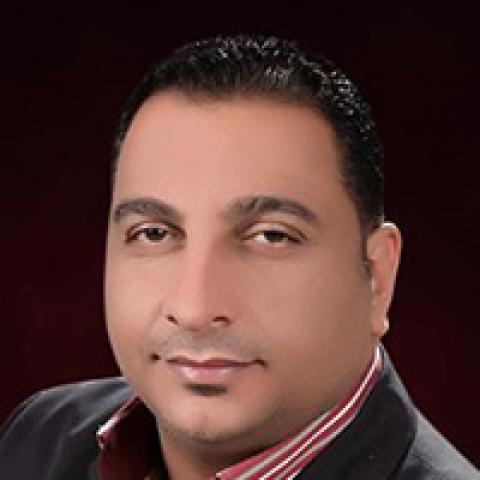

The newly issued judicial decisions disqualifying election candidates in Iraq have reopened the debate on the standards of justice and equal opportunity for candidates.
This time the controversy was accompanied by a debate on the loose mechanisms preventing those covered by the de-Baathification measures from running in the elections, after the judicial committee, which is associated with the Independent High Electoral Commission, issued a resolute and unappealable decision against a group of current members of parliament and ministers. This group includes Rafi al-Issawi from the Mutahidoun bloc, Abdul Dhiab al-Ojailim member of the Iraqiya List, Jawad al-Shahyla and Sabah al-Saadi from the al-Ahrar movement and Mithal al-Alusi of the Civil Movement.
The legal framework for this disqualification comes under Article 8 of the Iraqi Electoral Law, which sets forth conditions that electoral candidates must meet. This includes the condition that candidates “shall be of good conduct and shall not be convicted for a dishonorable crime.” Meanwhile, the lawsuits that have been filed against the disqualified MPs have mostly been related to statements they made, or corruption charges that have not been ruled on given the legislative immunity granted to MPs.
In form, the disqualification goes in line with the text of the aforementioned article and ensures that defendants are brought to court once immunity is removed, and that their victory in the elections will prevent them from facing the charges brought against them for four more years.


