



Zarif trip to Lebanon includes signal to Saudi Arabia
Iran and Hezbollah's abrupt change toward the formation of a Lebanese government might be part of a regional settlement.
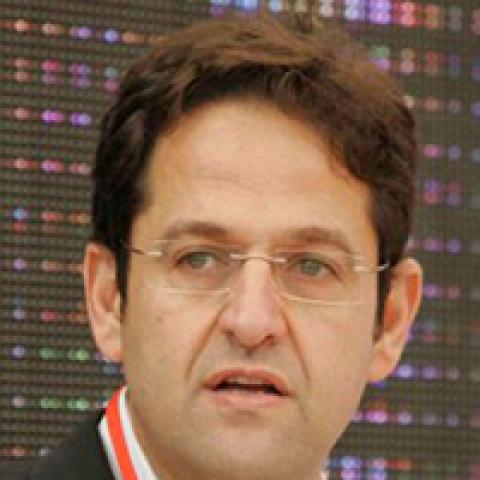

The most noticeable aspect of the visit by Iranian Foreign Minister Mohammad Javad Zarif to Beirut on Jan. 12 were the positions he took toward Saudi Arabia and Lebanese President Michel Suleiman, as they clearly contradicted those of Hezbollah, especially some of the Party of God’s recent stances.
Hezbollah has recently waged an anti-Saudi Arabia campaign, which included Hezbollah Secretary-General Hassan Nasrallah accusing Saudi intelligence of being behind the November 2013 bombing of the Iranian Embassy in Beirut. In addition, Hezbollah has launched harsh attacks against Suleiman, be it via repudiation of the Baabda Declaration or raising suspicions about the Saudi-French initiative to support the Lebanese army, the latter of which is considered to be an achievement for Suleiman. Hezbollah had also issued warnings against forming a “de facto government,” meaning a neutral government, which might be Suleiman's only option if Lebanon is to avoid a constitutional vacuum and further wandering into unknown territory.
Given Hezbollah's escalation, some of the statements by the Iranian foreign minister came as a surprise to observers. Zarif praised “the role of the president of the republic in providing [a climate] for consolidating unity and stability.” He also mentioned the “importance of good relations between Iran and the Arab states, especially Saudi Arabia, in order to establish stability in the region and protect it.”
A few days ago, Hezbollah, recognizing the positions to be taken by the spokesperson of Iranian diplomacy, had changed its stance on the formation of a Lebanese government. The party relinquished once steadfast demands that had become policy slogans — the “people, army, resistance” mantra and the “blocking third.”


