



Now is the time to engage Iran on human rights
On International Human Rights Day, the United Nations Special Rapporteur on the Situation of Human Rights in the Islamic Republic of Iran, a former Maldivian foreign minister, is ready to work with the government of Iranian President Hassan Rouhani for the benefit of Iran’s citizens.
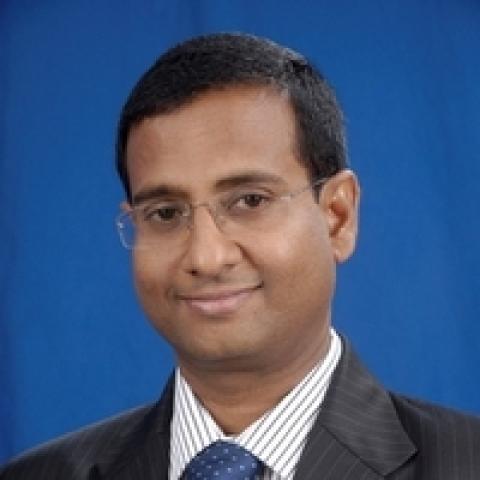

On Dec. 10, the United Nations and its members will celebrate Human Rights Day in observance of the 65th anniversary of the presentation of the Universal Declaration of Human Rights, which reaffirms “faith in fundamental human rights” and “in the dignity and worth of the human person." At times, the values of the Universal Declaration seem so self-evident, making it easy to forget that they are not self-enforcing. Other times, we are reminded that millions of people around the world live in oppression, deprived of basic rights or otherwise living in fear. The fact is that no single measure or one person’s action is enough to bring about change when law and practice in some countries leave their own people despondent or persecuted. Indeed, it requires the whole international community to address such chronic human rights concerns.
I hold this fundamental belief not solely in my capacity as the UN Human Rights Council’s expert on the human rights situation in the Islamic Republic of Iran but also from my past experience as a foreign minister of another Islamic country. When I was in government in the Maldives, international attention further strengthened political will in the country to sign and ratify international human rights conventions, inviting the Office of the High Commission on Human Rights to open a local office to monitor the situation and progress on the ground, which ultimately led to the Maldives becoming a member of the UN Human Rights Council. In 2007, shortly after a UN expert visited the Maldives and called for an end to gender discrimination within the country’s judiciary, the first-ever female judges were appointed. In 2008, the Maldives held a free and fair election, ushering in a former prisoner of conscience as its first democratically elected president in 30 years.
However, diminished international attention coupled with political instability resulted, unfortunately, in a series of stalemates and indecision about legislation aimed at further improving human rights and strengthening democracy in my country. This is precisely why the kind of sustained international attention that I advocated for and welcomed during my time in the Ministry of Foreign Affairs can help better the situation in other countries, such as Iran, today.
During the October presentation of my latest report to the UN General Assembly, I argued that recent changes in Iran, including the clear change in the government’s willingness to engage and work with the international community in some areas, represents a real opportunity to address human rights in the country. I also tried to make clear, however, that this change in tone is reason to maintain — and in no way dim — the international spotlight on the country and redouble our efforts to engage on human rights.


