



Maliki Says Terrorism in Iraq 'Directly Related' to Syria
In an exclusive written interview with Al-Monitor, Iraqi Prime Minister Nouri al-Maliki said, “The increasing growth of extremist groups” is the deeper problem in Syria and warned “against the narrow, revenge-based view that controls some of the region's countries."
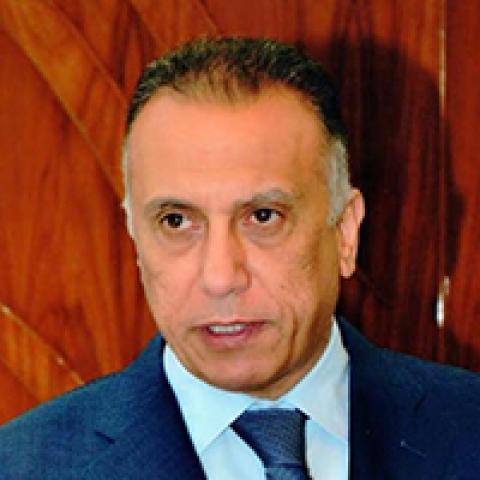

BAGHDAD — Iraqi Prime Minister Nouri al-Maliki, in an exclusive written interview with Al-Monitor, said that Iraq supports a “transitional government that will manage affairs until elections are held and a constitution is adopted” in Syria.
Maliki, who opposed a US strike on Syria and any outside military intervention there, said that he told US Vice President Joe Biden two years ago that Syria “would not be resolved in two years, or even more, and that the social situation, the political and population structure and the sensitive region make it difficult to predict the end of an armed conflict of such cruelty and ferocity.”
The prime minister, whose term ends in 2014, said that the rise in terrorism in Iraq is rooted in the rise of regional sectarianism and “directly related to the developments in the Syrian crisis and its repercussions on the Iraqi arena. We are very worried about the Syrian arena transforming into a field that attracts extremists, terrorists and sectarians from various parts of the world, gathering them in our neighborhood.”
Maliki said, "Our relationship with Turkey was stronger than our relationship with Iran." He added that Turkey “has been inclined to openly intervene in Iraq's affairs. This caused sectarian provocation, when [Ankara] stood with the Sunnis against Shiites. These cases have provoked the Iraqis and resulted in backlash against [Turkey]. We have asked the current Turkish government many times, both directly and indirectly, to go back on this approach. We still hope that Turkish officials will review their positions so that our relations can improve and grow.”


