



Israeli Social Justice Movement Enters Local Politics
Women, young people and leaders of the social protest movement are expected to increase their power in the Israeli municipal elections in October.
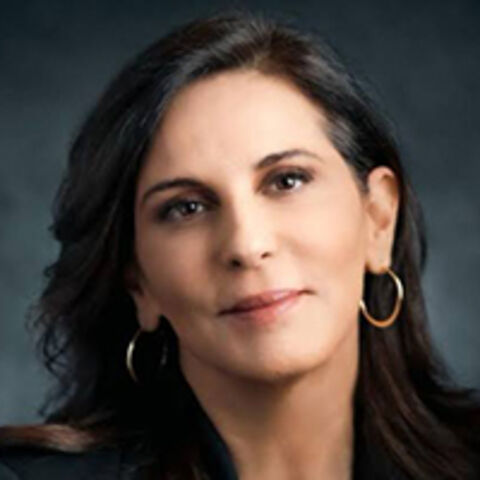

Yossi Yonah — one of the prominent figures in the leadership of the Israeli social protest movement — recently received an offer from the head of the Labor Party and Knesset member Shelly Yachimovich to head the party’s list for the Tel Aviv municipality council, in the elections which will be held at the end of October.
Yachimovich well understands the great potential of the upcoming municipal elections, exactly as does Yesh Atid Party Chairman and Finance Minister Yair Lapid and HaBayit HaYehudi Chairman and Economy and Trade Minister Naftali Bennett — both of whom head parties identified with the social protest. That is the reason that Yachimovich appealed to Yonah, in her efforts to recruit popular social protest personalities to run on the Labor list for positions in the city councils.
The Labor, Yesh Atid and HaBayit HaYehudi parties all have one thing in common: Over the last two months, they have invested much effort and many resources in the search for local "protest heroes." Then, they offer these people the opportunity to run on their party ticket for heads of municipalities or members of city councils. Local election campaigns have not been this sizzling in years. Today, the election candidate scene is teeming with young people and women who have been leveraged by the blast waves of the new politics generated by the protest movement — and not by party hacks who are rooted in traditional party politics.
Young forces such as Lapid and Bennett have risen to power and serve as high-level ministers; other young leaders of the protest movement have also become new Knesset members. This may be tipping us off that the recent Knesset election results will dramatically affect the future of local politics as well. From one day to the next, the municipal arena is becoming the next hottest place in politics. The trend involves young people, women and figures identified by social protest.


