Iraqi Interfaith Council Tries to Protect Minorities
The Iraqi Council for Interfaith Dialogue has sought to unite people around protection of minorities.


The situation of religious and ethnic minorities in Iraq today is the worst in the history of the country. Some of them have almost disappeared, through annihilation and emigration, and the populations of others have decreased significantly, especially after the occupation of Iraq, as a result of sectarian war and security crises. The establishment of the Iraqi Council for Interfaith Dialogue on March 14 is considered an important step forward in the effort to protect Iraq's surviving minorities.
The history and current status of Iraqi minorities
Iraq has long been known for its ethnic and religious diversity, a mosaic rarely seen elsewhere. Iraq managed to preserve much of its ancient heritage until the beginning of the last century. The Mandaeans and their rare ancient culture have a place in Iraq's history, as do the Jews, who have maintained their Hebrew heritage for some 2,600 years. The same is true of the Chaldeans and the Assyrians, two groups brought together by Christianity after millennia of conflict and fighting. There are also the Armenians and a number of other Christian denominations. The Yazidis practice the only remaining form of the ancient dualistic religion mixing Islamic Sufism and Kurdish heritage. The religion of the Babis and Baha'is originated and developed in Iraq and later spread from there to the rest of the world. Furthermore, there are a number of Shiite sects, among them the Shaykhis and the Akhbaris, and a significant number of Sunni Sufi schools, including the Qadiriyya, Naqshbandi and Kasnazans. The magazine Masarat spent eight years publishing articles about these groups, covering the issues and challenges they face under the authority of the majority.
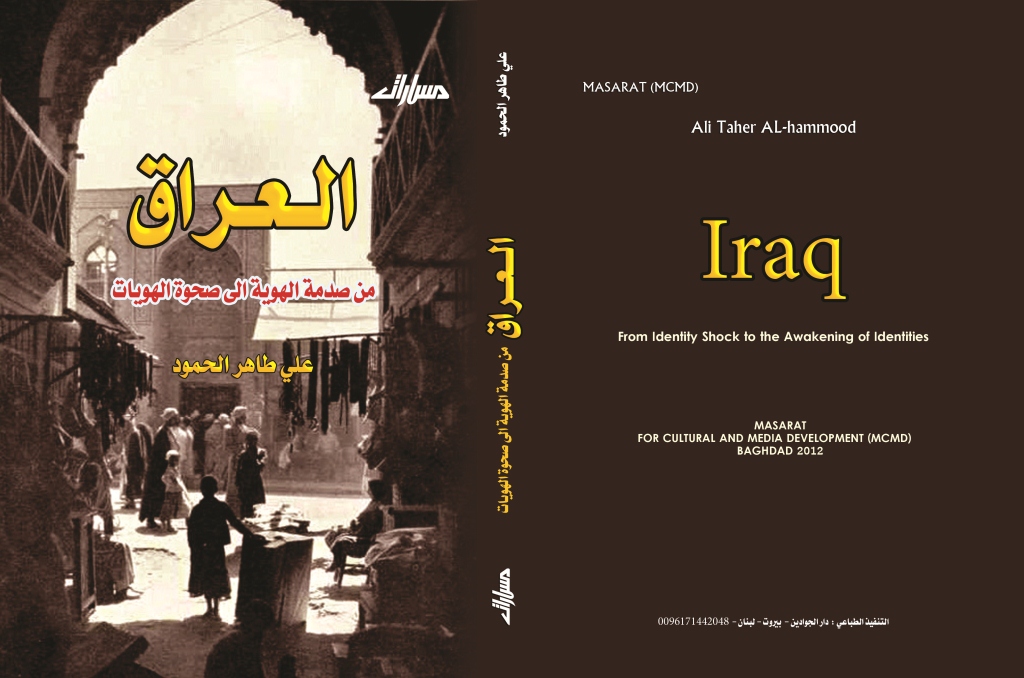
These groups only faced the threat of extinction relatively recently, when nationalist and religious ideologies spread via the domino of revolutions in the middle of the 20th century. When the concept of a unilateral Iraqi identity, based on Arab nationalism and Islam, arose, these groups became threatened minorities. They were separated from Iraq's core identity, making it easier to isolate them and implement forced relocations. This was the result of Iraqi society and the political authorities' failure to establish a true and broad Iraqi nation. Ali Taher discusses this idea in Iraqi: From Identity Shock to the Awaking of Identities (2012).