



Deal with US tests Iran's post-Khamenei power balance
It would be a mistake to treat the hard-liners who oppose the deal as fringe.

The memorandum of understanding reached with the United States this week is the first real test of Iran’s new top brass. Abroad, it will be read for its terms — the reopened Strait of Hormuz, the lifted naval blockade and the nuclear talks to come. Inside Iran, however, the more revealing story is how the agreement came together.
A deal built by consensus
For nearly four decades, Iran's hardest political problems were resolved the same way. Authority was scattered among institutions that distrusted one another — the Islamic Revolutionary Guard Corps, the clerical establishment, the Supreme National Security Council, the presidency, the parliament and the economic empires attached to the leader's office. But above them was a single figure who could, when necessary, end a dispute with a final decision. The death of Ali Khamenei in the opening days of the war removed that arbiter. His son and successor, Mojtaba Khamenei, has remained out of public view since assuming power.
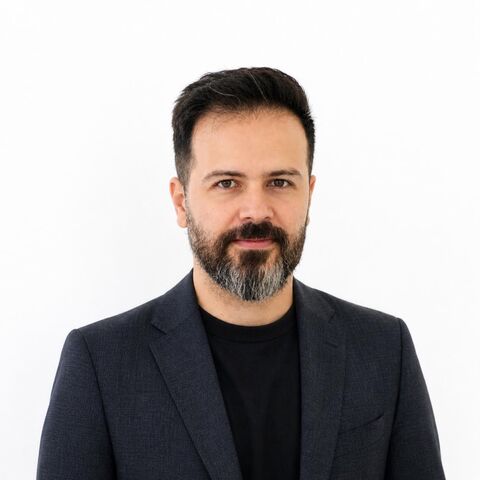
Iranian parliament speaker Mohammed Bagher Ghalibaf helmed the deal on the Iranian side. Asked to explain Ghalibaf’s role, American officials called him the figure with the most sway in the Iranian system. But the deal appears to have required buy-in from across the system rather than the approval of a single decision-maker.


