
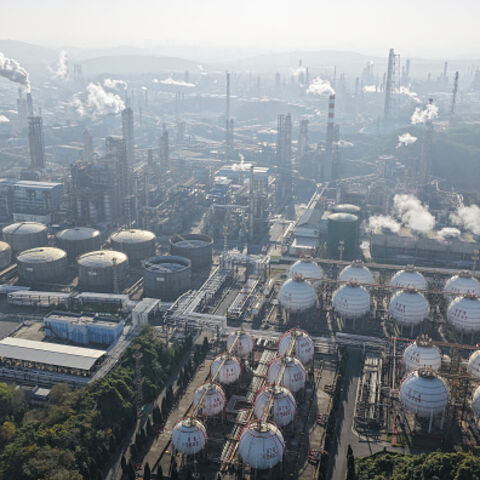
Newsletter: China-Middle East Why China stepped up Iran war diplomacy six weeks in China moves to shield energy flows and growth as the Iran war disrupts oil and shipping. By Rosaleen Carroll In Washington, DC, US, reporting on the Middle East
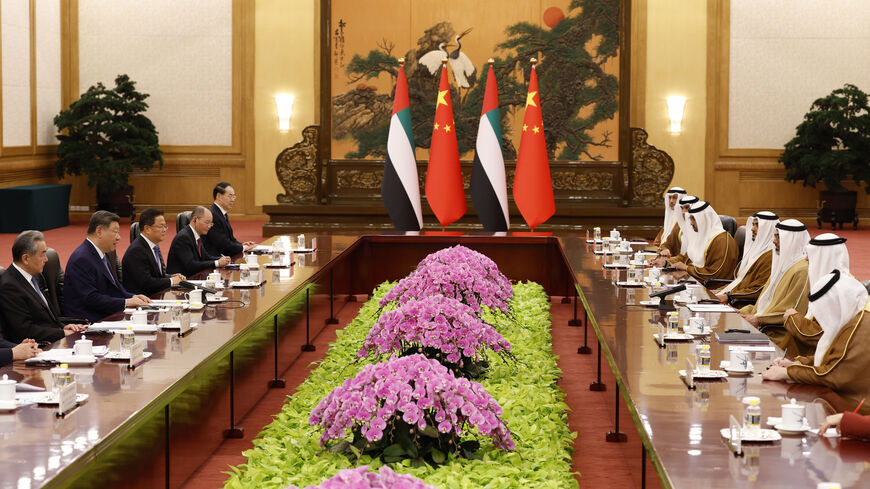
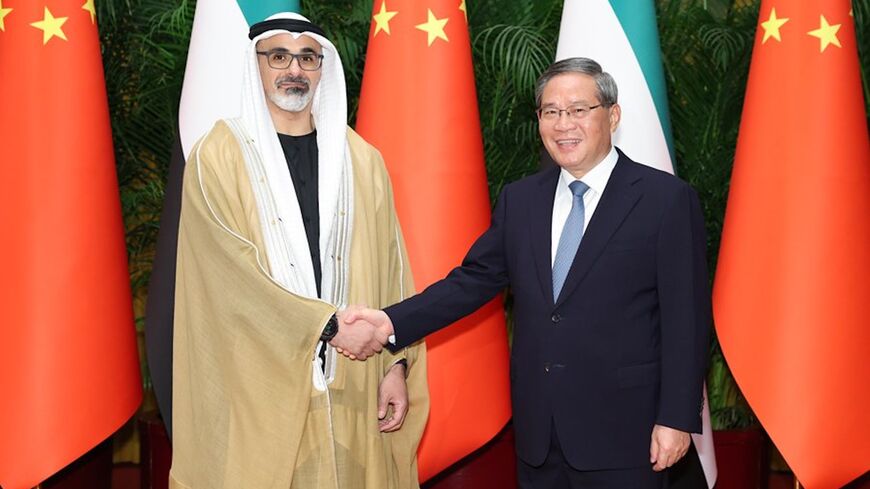
China signals bigger Gulf role as UAE crown prince visits Beijing China, which maintains close ties with both Iran and Gulf states, is hosting one of the UAE's top officials this week as a fragile ceasefire in the region holds. China
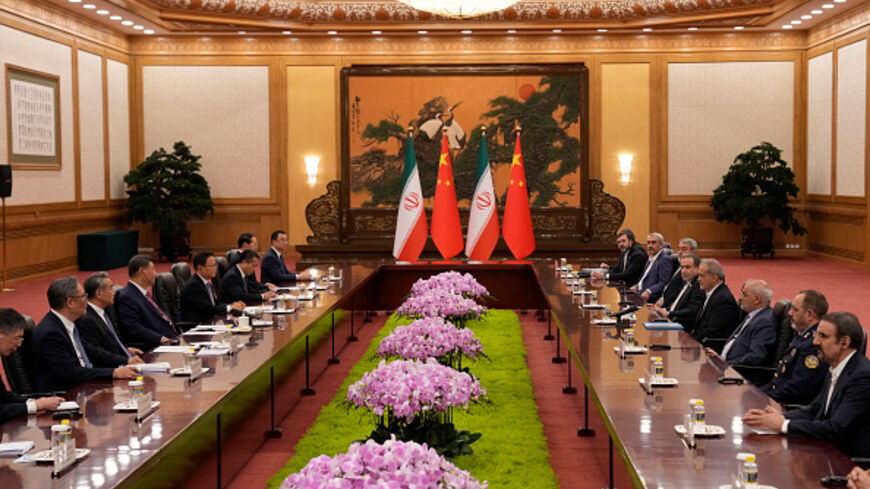
As US blockades Hormuz, China urges restraint, rejects call to ditch Iran oil Beijing and Ankara called for calm as the US began its blockade of the Strait of Hormuz as regional diplomacy over the fragile ceasefire intensifies. Iran
Analysis Sanctions relief, Pakistan role propel China backing of Iran-US ceasefire The US–Iran truce boosts Pakistan — one of China’s closest partners — by elevating its role as a mediator and strengthening a regional balance that favors Beijing’s allies. By Joyce Karam , Rosaleen Carroll
Newsletter: China-Middle East China hedges as US–Iran truce stalls By Rosaleen Carroll In Washington, DC, US, reporting on the Middle East
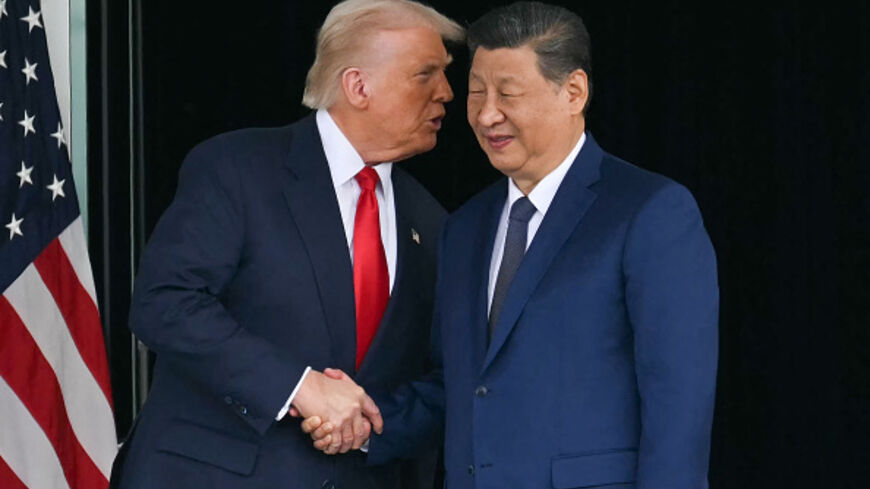
China to send aid to Iran, Lebanon, Iraq, Jordan as Trump delays Beijing summit The aid announcement comes as President Donald Trump said Tuesday that his late March visit to China would be postponed. China
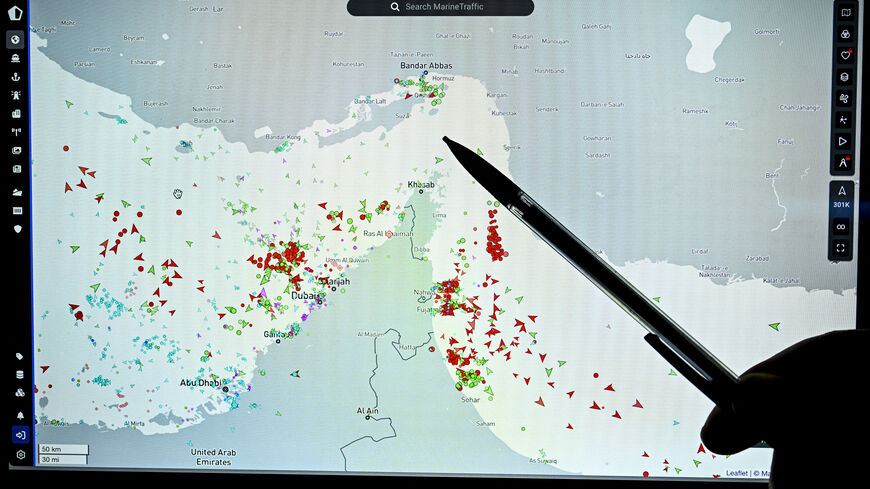
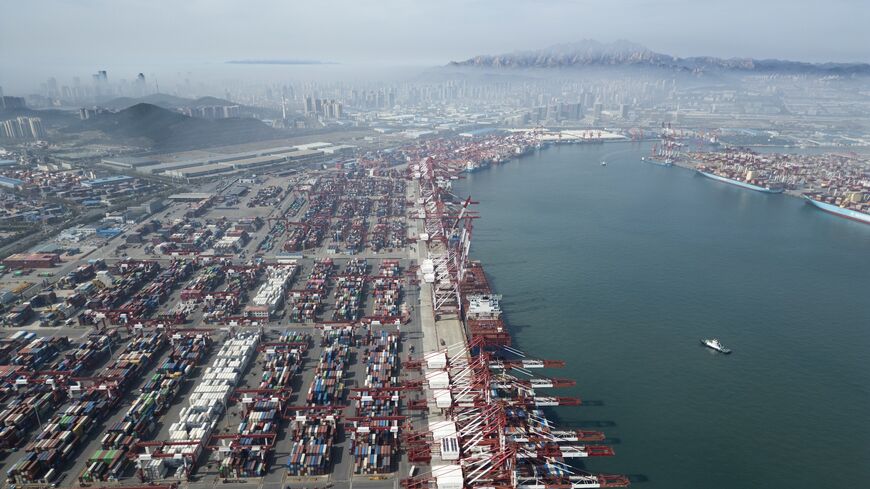
Newsletter: China-Middle East Why turmoil in Hormuz is a major problem for China Beijing relies on the strait for roughly half of its crude oil imports and a significant share of its liquefied natural gas supplies from Gulf producers. By Rosaleen Carroll , Joyce Karam
Newsletter: China-Middle East China seeks deconfliction in Iran war regardless of regime future China’s leverage remains limited, with little influence over the US, Israel and Iran’s Islamic Revolutionary Guard Corps, so it’s left adapting to Iran’s uncertain future through economic adjustments and deconfliction. By Joyce Karam , Rosaleen Carroll
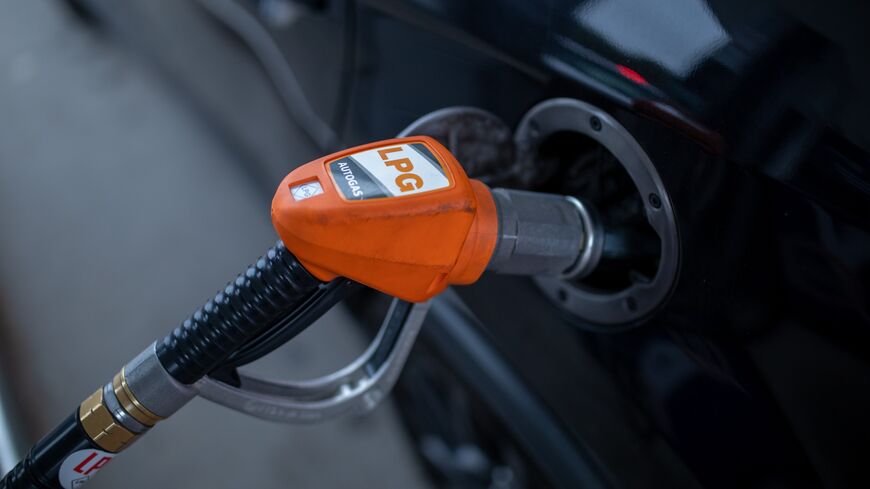
Asia liquefied petroleum gas prices spike after damage to Saudi facility Swaps for LPG delivered to East Asia next month soared to more than $600 per ton, their highest since April 1, 2025, after Saudi state energy firm Aramco said it would be canceling some deliveries. Saudi Arabia
Newsletter: China-Middle East The Iran nuclear deal China wants China’s preferred outcome is a US–Iran nuclear deal that safeguards energy flows while keeping the Iranian regime stable rather than under threat. By Joyce Karam , Rosaleen Carroll
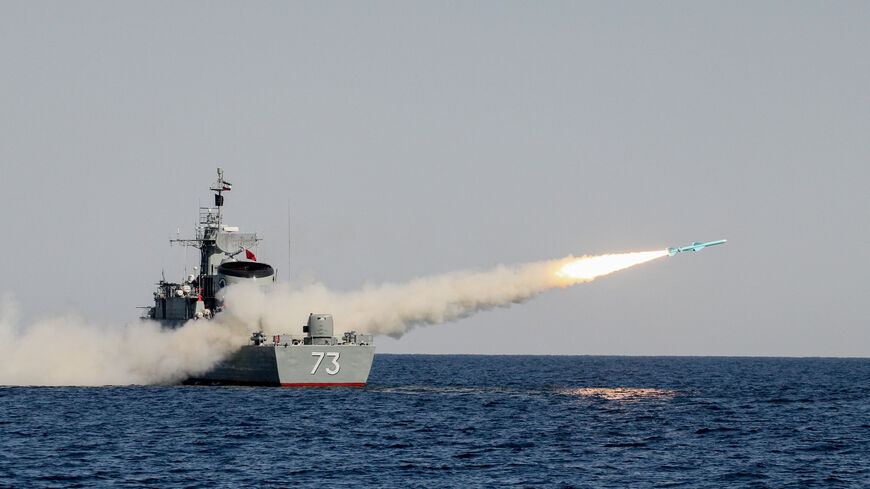
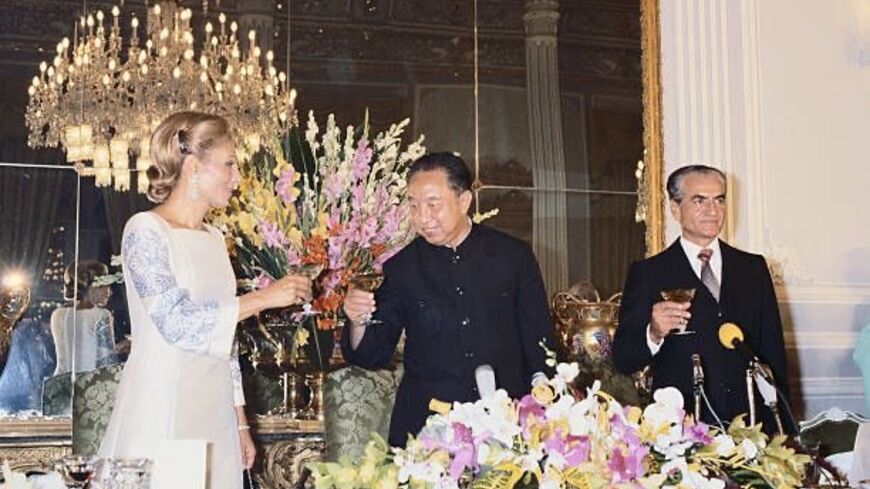
Russia, China, Iran to hold joint naval drills in Strait of Hormuz: What to know The drills come as the three countries strengthen their ties amid growing US economic and military pressure on Iran. Iran
Newsletter: China-Middle East Can China help Trump with Iran? As Iran’s top trade partner and key energy importer, China can quietly push Tehran toward a deal, especially if it hints that oil purchases or investment flows could be affected by escalations. By Joyce Karam , Rosaleen Carroll
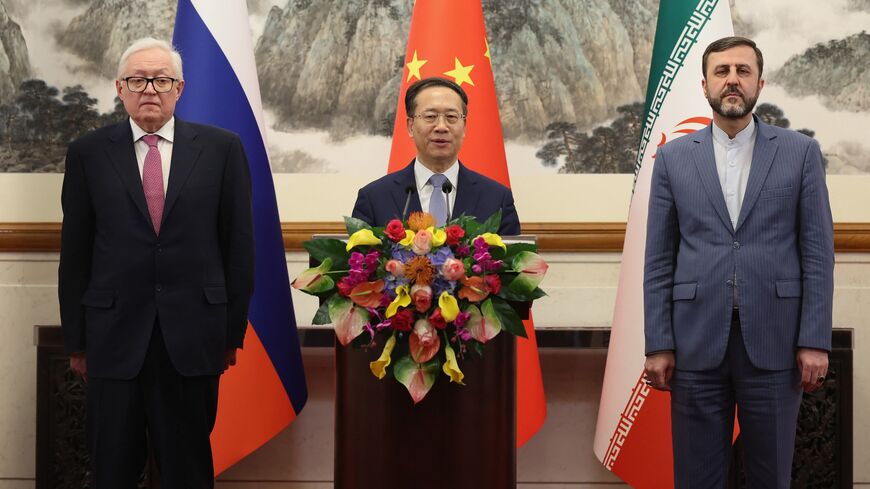
Iran dispatches senior official to China amid talks push with US Ahead of his trip to Beijing, Kazem Gharibabadi met with the Russian ambassador to Iran on Tuesday. Iran
UAE launches sovereign open-source AI model K2 Think: What to know The Gulf state is one of the few countries in the world developing its own sovereign open-source AI model to counter the dominance of the United States and China in the sector. United Arab Emirates
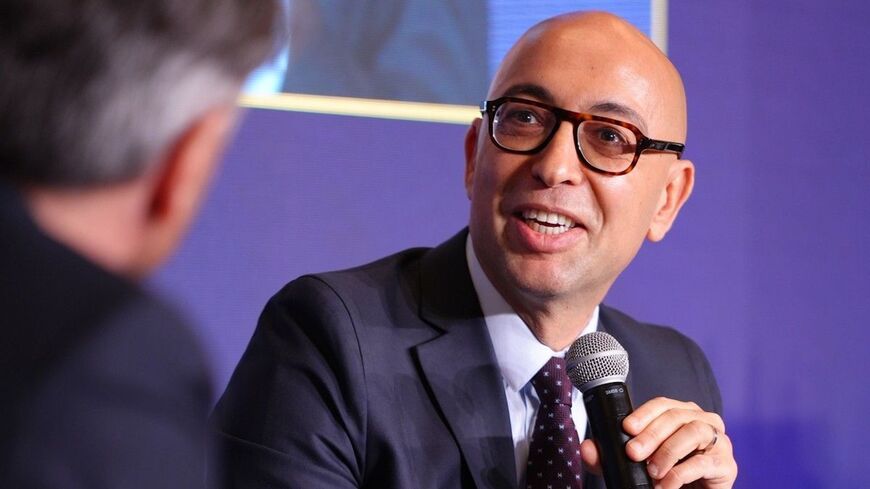
Interview Qualcomm sees growing demand for edge AI in the Middle East The Middle East's young population is increasingly adopting AI through mobile devices rather than data center-based solutions, Wassim Chourbaji, Qualcomm's president for the Middle East and Africa, told Al-Monitor. Wassim Chourbaji Qualcomm president for the Middle East & Africa
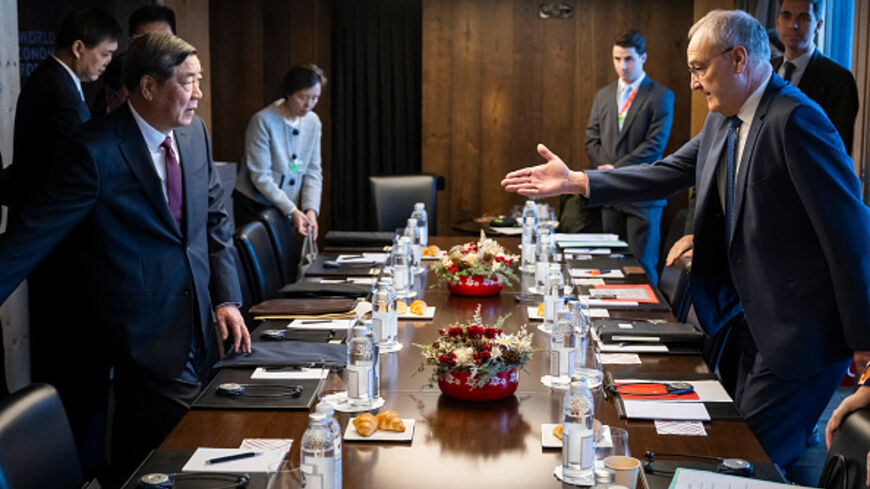
Newsletter: China-Middle East At Davos, China capitalizes on Trump’s mistakes Amid criticism of US unilateralism, China framed itself as a defender of multilateralism and free trade, as Middle Eastern states balanced ties with the West and China. By Joyce Karam , Rosaleen Carroll
Newsletter: China-Middle East China breathes easier with Iran deescalation but challenges linger Beijing is relieved as signs emerge of deescalation between the United States and Iran, assuaging fears of a confrontation that could have disrupted Gulf stability and China’s energy supplies. By Joyce Karam , Rosaleen Carroll