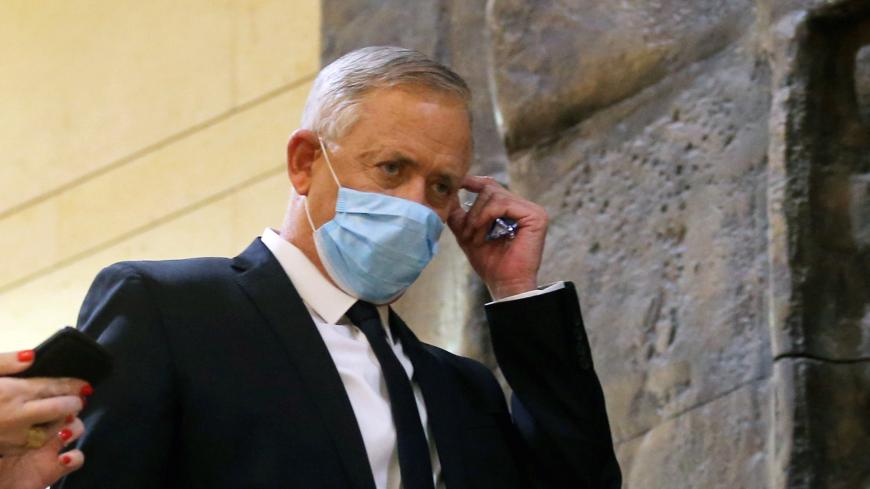
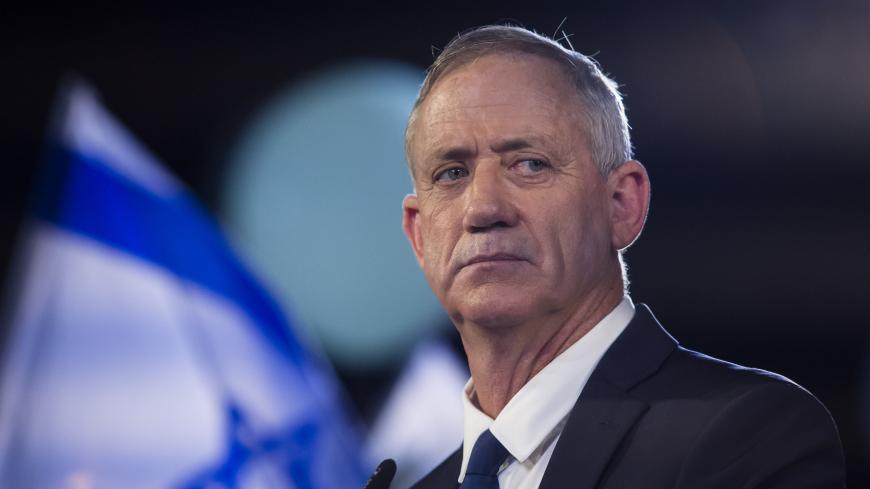
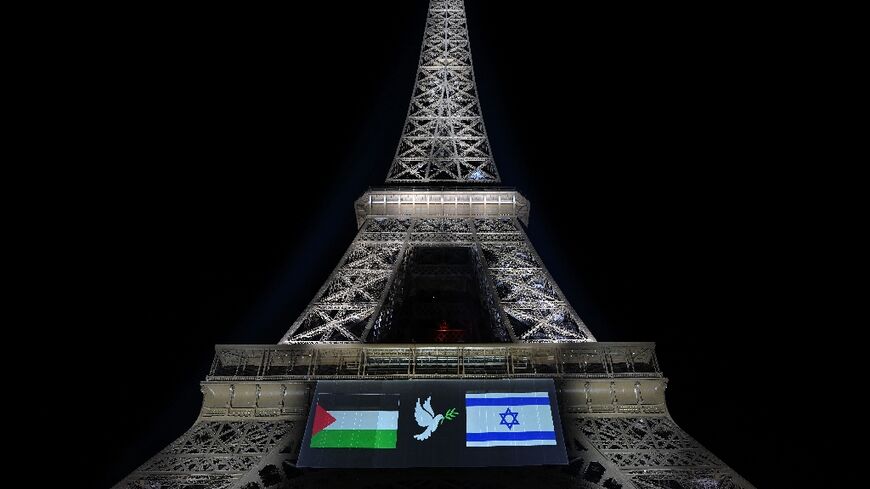
In December 2012, a few days after the UN General Assembly made history by recognizing Palestine as a nonmember observer state, Israel’s former military Chief Lt. Gen. (Res.) Gabi Ashkenazi discussed the development with participants of the annual Israel Business Conference. While Prime Minister Benjamin Netanyahu was calling the move insignificant and lashing out at Palestinian President Mahmoud Abbas, Ashkenazi presented a different view.
“I believe we need a Jewish and democratic state for the Jewish people, and if we want to preserve that we must separate from the Palestinians. And if there is no partner, Israel must declare the borders of its Jewish home and operate accordingly,” Ashkenazi said in his widely reported remarks.
Ashkenazi, who a year earlier had ended a four-year term as the chief-of-staff of the Israel Defense Forces (IDF), was considered at the time as the great leadership hope of the Labor party, explaining the interest in his views. In those days, his popularity ratings were high — far higher than those of Netanyahu were. He was also considered a protege of then-President Shimon Peres, who tried to talk him into taking the plunge into political life. Peres believed in Ashkenazi’s prospects of taking over the Labor leadership and subsequently the reins of government.
Peres greatly appreciated the views of the former top soldier, which dovetailed with the two-state idea that Peres had advanced a decade earlier with Prime Minister Yitzhak Rabin. He was also a great fan of Ashkenazi’s performance as the chief-of-staff who rehabilitated the IDF after the 2006 Second Lebanon War. Peres saw in Ashkenazi the embodiment of his dreams — a defense hawk and diplomatic dove. In their many conversations while Ashkenazi was still in uniform, Ashkenazi advocated for indirect negotiations with the Palestinians, as well as painful territorial concessions for Israel.
AL-MONITOR All-Access gives you unlimited access to all our journalism, the full Daily Briefing, exclusive interviews, premium newsletters, and live events — for less than $2/week.