



Quitting the propaganda machine
Al-Monitor contributor Shahira Amin reflects on her time as an Egyptian state TV anchor as President Abdel Fattah al-Sisi consolidates control of the media.
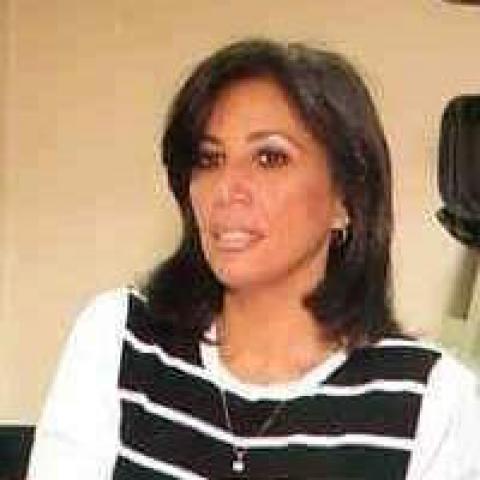

My life as a state television journalist
A TV journalist used to being in the thick of the action, I was 2,000 miles from home on the day that upended my country and my life. In London for a workshop on freedom of expression, I sat transfixed in front of the BBC on Jan. 25, 2011, as images of the Arab Spring protests flickered across the screen. I couldn’t wait to get back in my anchor chair on state television and bear witness to history in the making. After a decade and a half climbing the ranks and pushing the envelope at Nile TV, it turns out I remained quite naive about what the government would let me get away with.
When I got back to work a week later, I quickly discovered that a media blackout had been imposed on coverage of the protests against President Hosni Mubarak. Mere minutes from my office, tens of thousands of Egyptians assembled on Tahrir Square, clamoring for regime change. On Nile TV, viewers were treated instead to serene pictures of the eponymous river. I asked to take a camera to the bustling square. “Go cover the pro-Mubarak rallies instead,” my boss ordered.


