An audio file recently released by the website of the late Ayatollah Hussein Ali Montazeri — the onetime deputy supreme leader of Iran who was a leading Shiite cleric — has shed light on the cleric’s objections to a string of executions in the late 1980s and his eventual falling out with the ruling establishment.
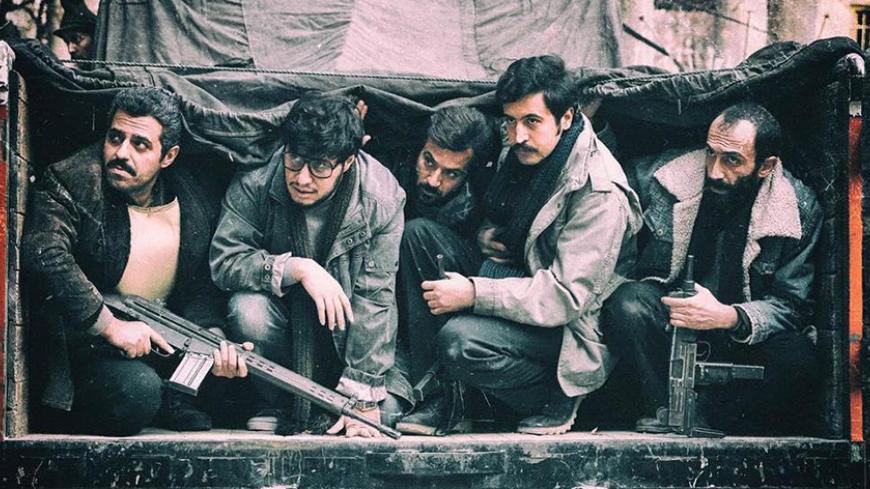
In the final months of the Iran-Iraq War in 1988, the Iranian group Mujahedeen-e-Khalq (MEK) launched an attack from inside Iraq against western Iran. While the attack was quickly countered, it led to perhaps the last fateful decision of the Islamic Republic under the leadership of Ayatollah Ruhollah Khomeini shortly before his death in which thousands of mostly MEK members who had been imprisoned in Iran after the 1979 Islamic Revolution were executed.
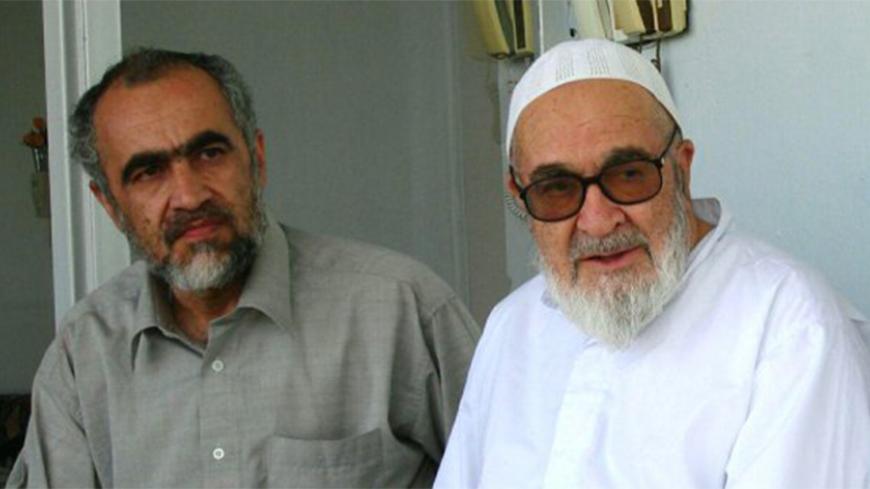
Montazeri, who had been groomed to replace Khomeini and was one of the most well-known figures of the revolution, objected so adamantly to the order that he quickly lost his place within the government. His objection to the executions has been previously published in his autobiography. But the release of the audio file has brought this news to the surface once again and has revealed the harshness in which he dealt with the individuals involved.
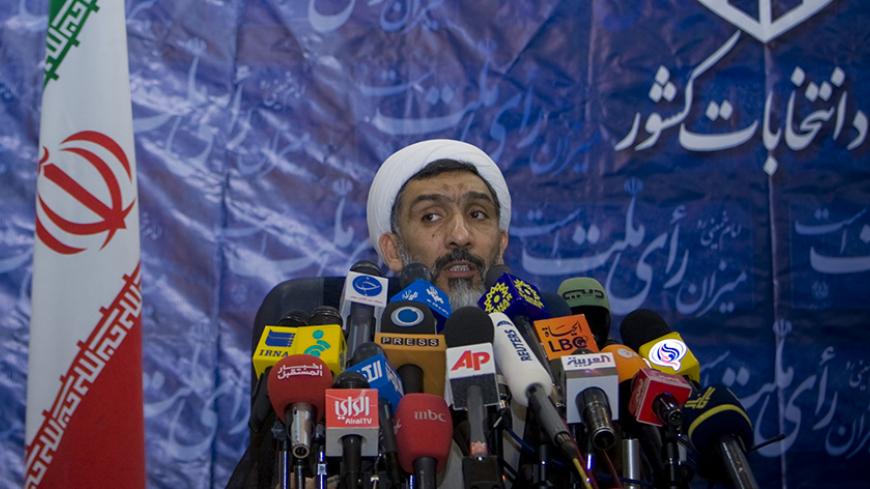
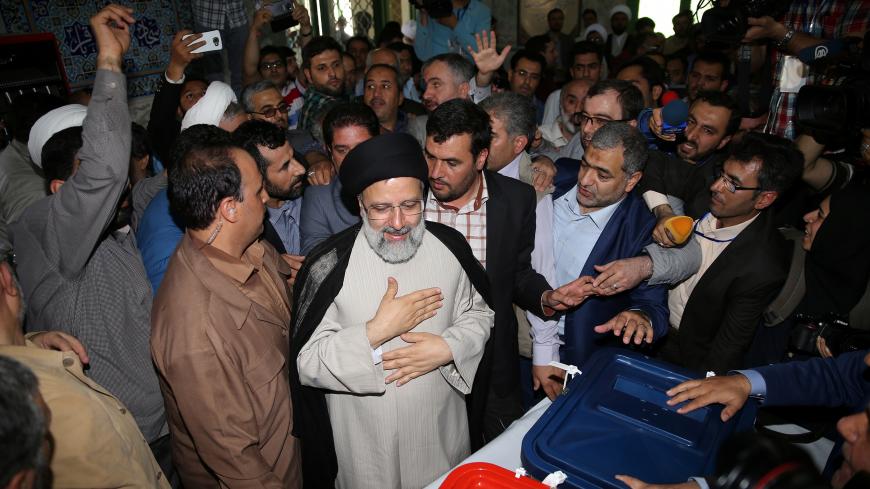
In the audio file, Montazeri is heard speaking to Hussein Ali Nayeri, a judge at the time and a current deputy at the Supreme Court of Iran; Morteza Eshraghi, public prosecutor at the time; Ebrahim Raeisi, public prosecutor at the time and currently the head of the Astan Quds Razavi, one of the wealthiest institutions in Iran; and Mostafa Pourmohammadi, the Intelligence Ministry’s representative to Evin prison at the time and current justice minister.
AL-MONITOR All-Access gives you unlimited access to all our journalism, the full Daily Briefing, exclusive interviews, premium newsletters, and live events — for less than $2/week.