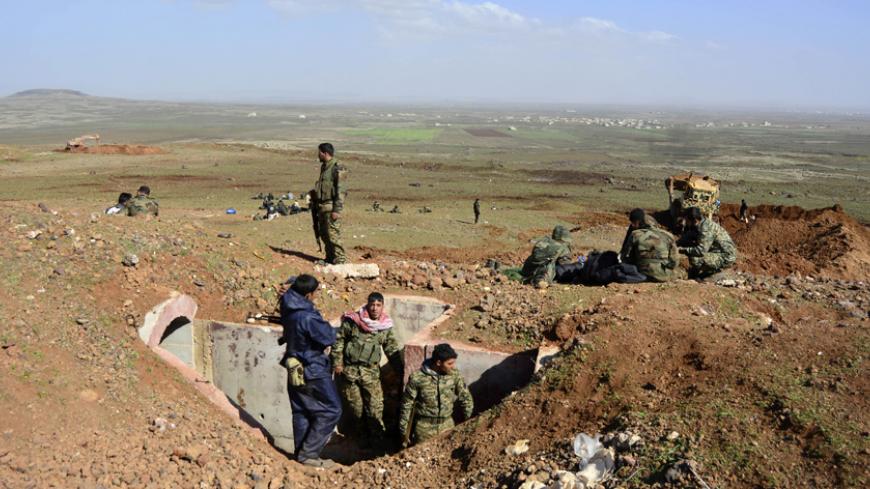
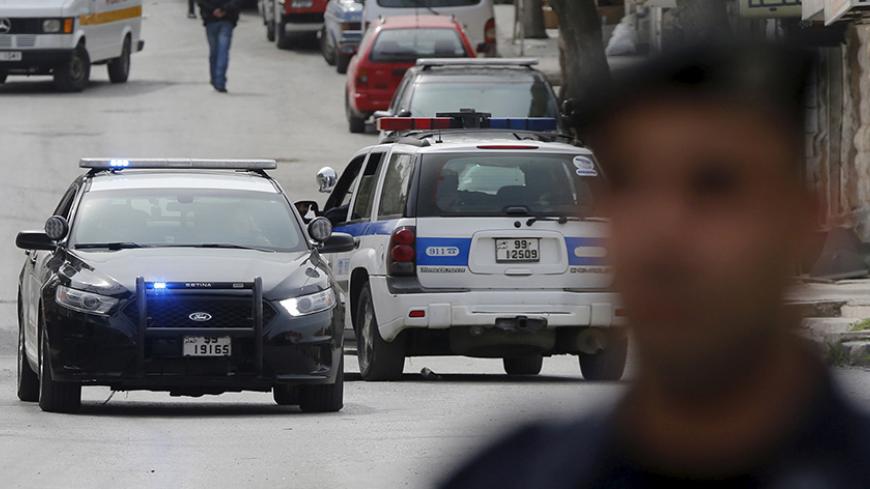
AMMAN, Jordan — Prior to the month of Ramadan, Islamic State (IS) spokesman Abu Muhammad al-Adnani called for increased attacks worldwide in an audiotape released on May 21. “Ramadan, the month of conquest and jihad. Get prepared, be ready … to make it a month of calamity everywhere for nonbelievers,” he announced. IS executed this threat by launching attacks across the region including a June 21 suicide truck-bomb attack on Jordanian forces, killing seven and injuring 13 in the Rukban border area.
On June 26, IS claimed responsibility for the strike and posted a video of the bombing on Amaq, a news agency affiliated with the terrorist group. By publicly claiming this attack, IS intensified its ongoing struggle against the Hashemite kingdom. Why did IS strike Jordan?
Amman joined the international coalition against IS in September 2014. After IS brutally burned Jordanian pilot Muath al-Kaseasbeh last year, government spokesman Mohammad al-Momani promised an “earth-shaking response.” King Abdullah then increased the country’s airstrikes targeting IS’ stronghold in Raqqa, Syria.
Hassan Hassan, co-author of the book “ISIS: Inside the Army of terror,” told Al-Monitor that IS considers the Hashemite kingdom “worse than the Americans because this is an Arab and Muslim country that has declared war against it.”
AL-MONITOR All-Access gives you unlimited access to all our journalism, the full Daily Briefing, exclusive interviews, premium newsletters, and live events — for less than $2/week.