State Department nominees face grilling over Iran deal

Congressional angst over the JCPOA could spell trouble for diplomatic nominations.

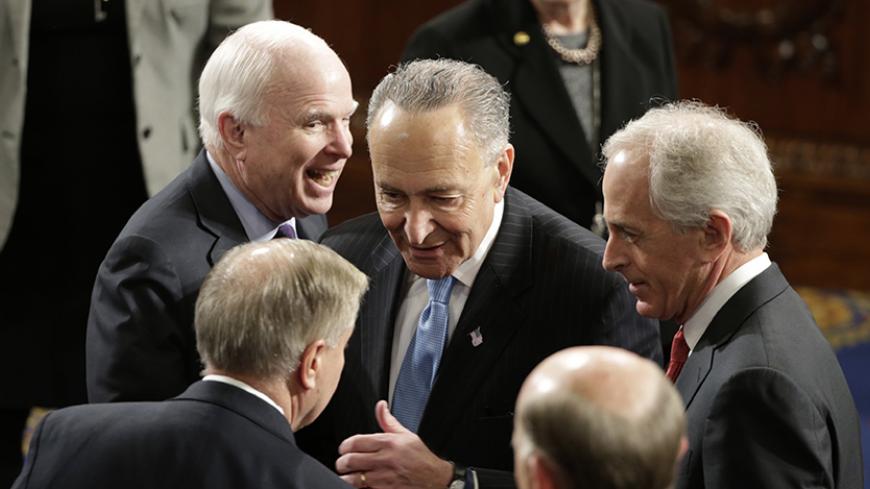
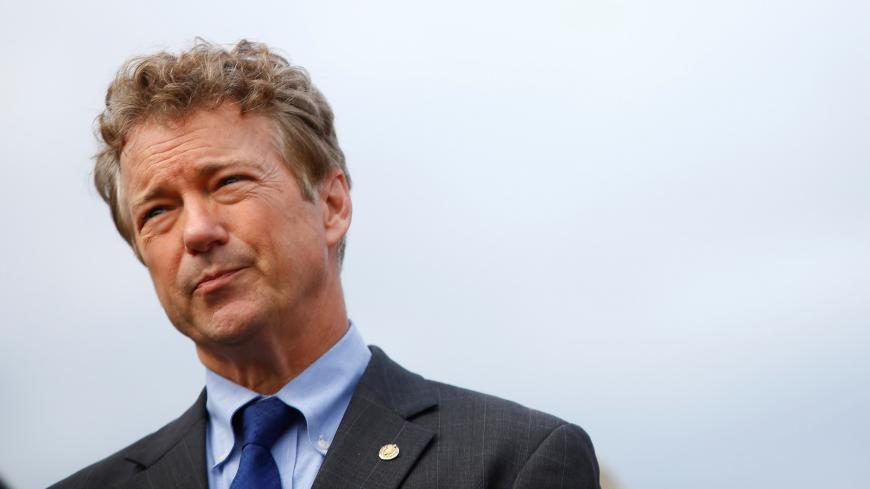
al-monitor Sen. Robert Menendez, D-N.J., a member of the Senate Foreign Relations Committee, makes remarks during hearings on "Corruption, Global Magnitsky and Modern Slavery — A Review of Human Rights Around the World," on Capitol Hill in Washington, July 16, 2015. Photo by REUTERS/Mike Theiler.
Julian Pecquet

Julian Pecquet

@JPecquet_ALM

Topics covered

wendy sherman, tim kaine, ted cruz, robert menendez, nuclear deal, jcpoa, iranian nuclear file, congress

Oct 29, 2015

The politics of the Iran deal are back in full swing on Capitol Hill as senators prepare to vote on two nominees tasked with carrying it out.

The Senate Foreign Relations Committee on Oct. 29 heard from Tom Shannon, the would-be replacement for deal negotiator Wendy Sherman as the State Department’s No. 3, and Laura Holgate, the proposed envoy to the International Atomic Energy Agency. Both had relatively smooth hearings but were sharply warned that Congress expects them to keep the pressure on Tehran going forward.

Sen. Robert Menendez, D-N.J., demanded to know what Shannon, currently the department’s counselor, planned to do about Iran’s recent ballistic missile test and potential future violations. The line of questioning only further confirms that fallout from the deal will be felt for months and years to come.

“In regards to Iran violations [of UN resolutions], I can guarantee you that we will be responding to them,” Shannon said. "Our success with the JCPOA [Joint Comprehensive Plan of Action] will only happen if we show a clear willingness to pursue violations elsewhere under other sanctions regimes."

And Sen. Tim Kaine, D-Va., flatly warned him that Congress would never lift sanctions on Iran without much more outreach from the executive branch. Such a scenario would put the United States in violation of its international obligations and put the whole deal at risk if Iran is still living up to its commitments eight years from now.

“There’s not going to be a scenario where Congress will kind of be kept in the dark and uninvolved and then suddenly in Year 8 we’ll be asked, 'OK, repeal the sanctions statute,'” Kaine said.

Shannon vowed to cooperate with Congress.

“Trying to ensure continuity of purpose and continuity of dialogue is going to be a central part of what we’re going to do,” he said.

Holgate also flew into some headwinds despite the Republican committee chairman’s best efforts to ensure her a smooth flight.

“I know you’re going to get some questions from someone — whether in QFR [written questions for the record] or in a personal way — relative to whether you were involved in the negotiation of the JCPOA,” Corker told Holgate. “So I’m going to give you the opportunity to state publicly what your involvement was.”

Holgate said she did not play a role in crafting the controversial deal, but was well versed in its details.

Corker clarified after the hearing that he wasn’t suggesting that any specific senator had raised or would be raising objections to her nomination over the Iran deal. He made it apparent he hoped to get some of the key diplomats in charge of implementing the deal in place as smoothly as possible.

“We had a long conversation about that and the fact that she had nothing to do with it is a plus, right?” Corker said. “That’s obviously a question most people are going to ask. Including me, when I met with her.”

Still, the hearing hit a sour note when Holgate acknowledged she would not have access to the so-called secret side agreements between the International Atomic Energy Agency and Iran concerning nuclear inspectors’ access to Iranian military sites where nuclear activities are believed to have taken place in the past.

“I hadn’t planned to go down this route, but I’m just curious, then, what kind of oversight role do you have in this position?” Corker asked.

She said the safeguards agreement include technical details such as design of nuclear facilities and proprietary information that no nation wants to share with other countries.

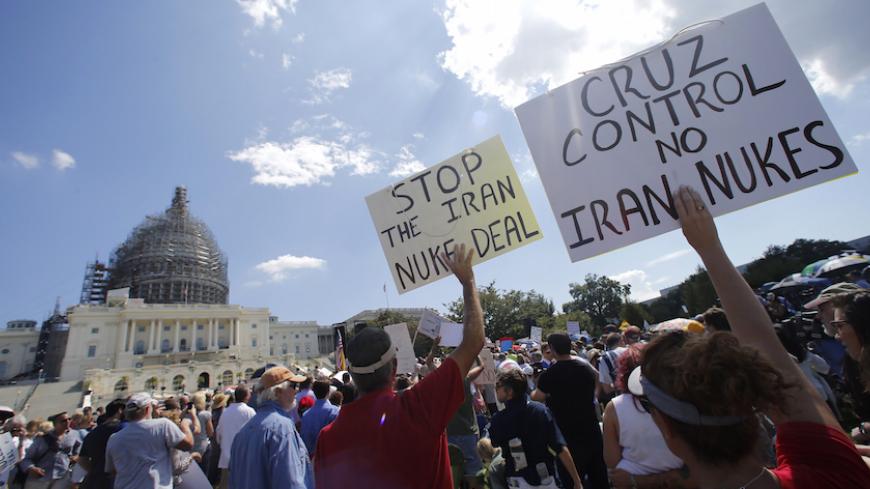
Looming over the proceedings is the threat by presidential contender Ted Cruz, R-Texas, to block State Department nominees in the Senate in response to the Obama administration’s failure to delay a vote at the UN to lift sanctions before Congress got a chance to weigh in.

“Under no circumstances should the Executive Branch take such action before the Congressional review process is complete,” Cruz wrote Obama on July 16. “Thus, I ask that you provide written assurances that you will take all necessary steps to block any UN Security Council resolution approving the JCPOA until the statutory timeline for Congressional review has run its course. Until you provide such assurances, I intend to block all nominees for the Department of State and hold any legislation that reauthorizes funds for the Department of State.”

Any senator can prevent a nominee from sailing through the upper chamber and trigger a time-consuming — and potentially polarizing — floor vote. Several nominees have been waiting 10 months or longer to be confirmed, the top Democrat on the Senate Foreign Relations panel, Sen. Ben Cardin, D-Md., pointed out in a floor speech Oct. 29.

Cruz has allowed several ambassadors to be confirmed since he wrote his letter. His office did not respond to a request about whether his threat would apply to the nominations of Shannon and Holgate.

Continue reading this article by registering at no cost and get unlimited access to:
  • Al-Monitor Archives
  • The Week in Review
  • Exclusive Events
  • Invitation-only Briefings