



Extradition of Libyan PM is a Distraction From Deeper Crisis
The Tunisian government's cloak-and-dagger extradition of Libya's former prime minister may have caused a political maelstrom in Tunisia, writes Mustafa Fetouri, but he will be just another prisoner held without charges or a chance for a fair trial in Libya. To add to the chaos, another bomb went off in Tripoli's busiest street Tuesday.
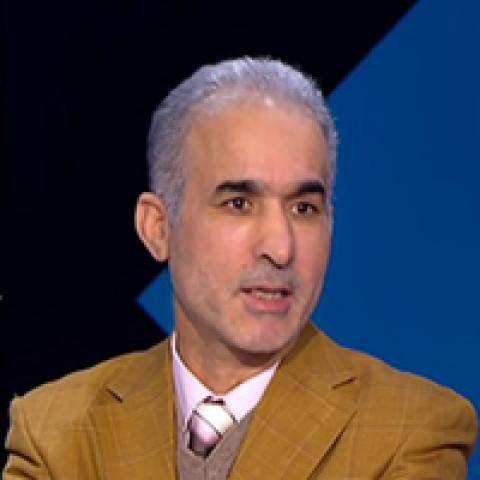

In the earlier hours of Sunday morning, June 24, and under the cover of darkness, the Tunisian government handed over the last Libyan Prime Minister under the former regime, Baghdadi al-Mahmudi, to the Libyan authorities. As soon as the news broke, the debate raged on the legality of the extradition. The Tunisian president himself, who was touring the furthest point of his country’s southwestern border with Libya at the time, issued a statement not only distancing himself from the government’s action, but also questioning its constitutionality. His words immediately triggered the first serious dispute between the presidency and the government. By Tuesday night, various coalition partners in the Islamist-led government dominated by the Ennahda Movement had voiced their anger and concern on the government’s decision to bypass the president.
Nearly one third of the Constituent Assembly in Tunis boycotted debates on Tuesday (June 26) and called for a vote of confidence on the government of Hamadi Jebali after a debate scheduled for Friday.
In the meantime, in Libya, a bomb exploded outside the general consulate of Tunisia. Located in the middle of Jaraba street, one of the busiest in Tripoli, not far from the main shopping area of Ben Ashor, and less than one kilometer away from the fortified US embassy, the attack was a serious security breach. Whether this attack is linked to the extradition of al-Mahmudi or is another example of attacks on foreign diplomats and expatriates, is yet to be determined, if ever properly investigated. The perpetrators of similar attacks in Benghazi that targeted British and American diplomats and diplomatic compounds are still on the loose.
While Tunis debates the consequences of the extradition, Tripoli struggles with basic free and fair trial prerequisites like security. Less than two weeks ago, the Meshahia tribe around the town of Mizda, at the foot of the western mountains of Libya, was attacked by various militias, mainly from nearby Zintan. The fighting lasted for over 10 days before a shaky cease fire was brokered by other tribesmen. The battle left more than 100 people dead, 500 hundred injured and forced some 400 families to flee their homes. Just a few days ago, the situation was still tense and Meshahia called for international rights organizations and the UN to investigate the kind of weapons used against them. They claim that some sort of chemical gas was used, which was later confirmed by some doctors who treated the injured in Mizda hospital. Eye witnesses described scenes of white smoke rising from destroyed buildings on the outskirts of the partly destroyed town.


