



Sadat: Egypt Will Keep The Peace with Israel
Esmat al-Sadat, nephew of the late Egyptian president, is confident about the future of the Israeli-Egyptian peace agreement: "It will be maintained even when there’s utter chaos in Egypt."
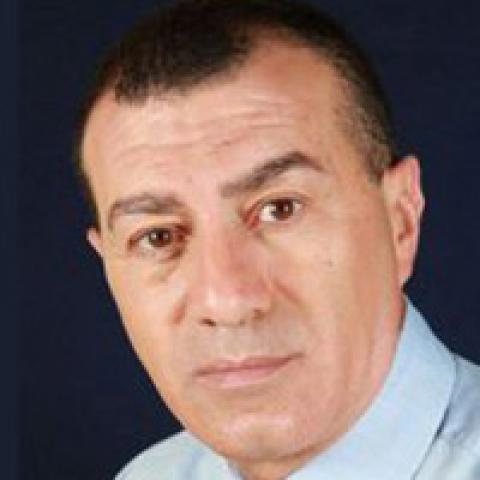

On stage sat Mohamed Anwar Esmat al-Sadat. When inspecting his face it was hard to find features reminiscent of those of his uncle, the president of Egypt who took the bravest step in the last hundred years in the Middle East, and paid for it with his life. When you’re named after the first Arab leader who made peace with Israel, the name bears grave responsibility. Sadat arrived this week [Sept. 16] at the Wilson Center in Washington as the head of a delegation of Egyptian politicians in order to discuss the question: Is Egypt on the right path?
By Sadat’s side sat Mahmoud al-Said Tuson of the Muslim Brotherhood. He repeated his movement’s main argument, that the military’s removal of elected president Mohammed Morsi was a trampling of democracy and a negation of the will of the electorate. “There’s only one place you can protest,” he said, “at the ballot box on election day.”
The young Sadat, the chairman of the Reform and Development Party and nephew of the president who confronted the Muslim Brotherhood and was murdered at its influence, could not restrain himself and chuckled at every word uttered by his rival. “What do you understand about democracy?” asked Sadat, “Why are you pulling out slogans you don’t really believe in? Isn’t it the case that you were elected by the people, and then a secretive council [the Shura Council of the Muslim Brotherhood] sought to determine the future of Egypt above the heads of the elected officials?”
Tuson countered, “Morsi had the toughest task. No president in the world has withstood such difficulties. There was no parliament, no constitution, no advisory council, nothing. And after only a year he experienced a military coup.”


