Trump maintains pressure on Iran as Democrats eye war funding
Al-Monitor reports from Washington, Tehran and Tel Aviv on the latest in the US-Iran standoff.



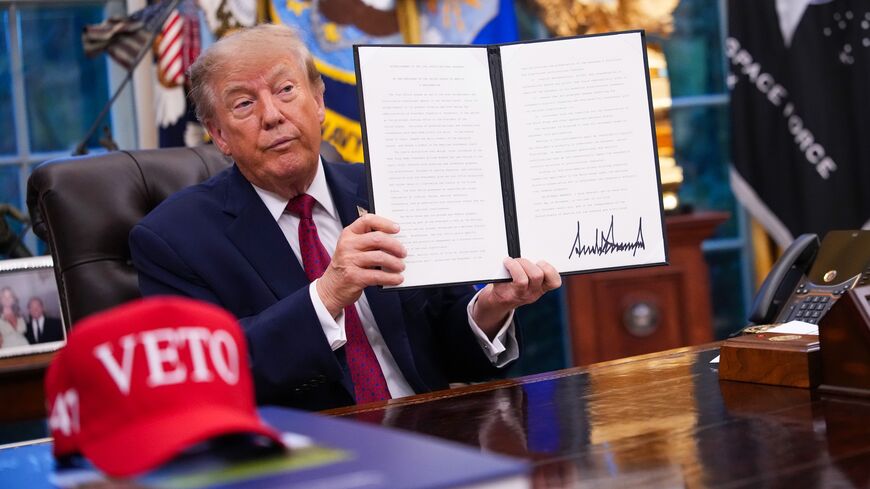
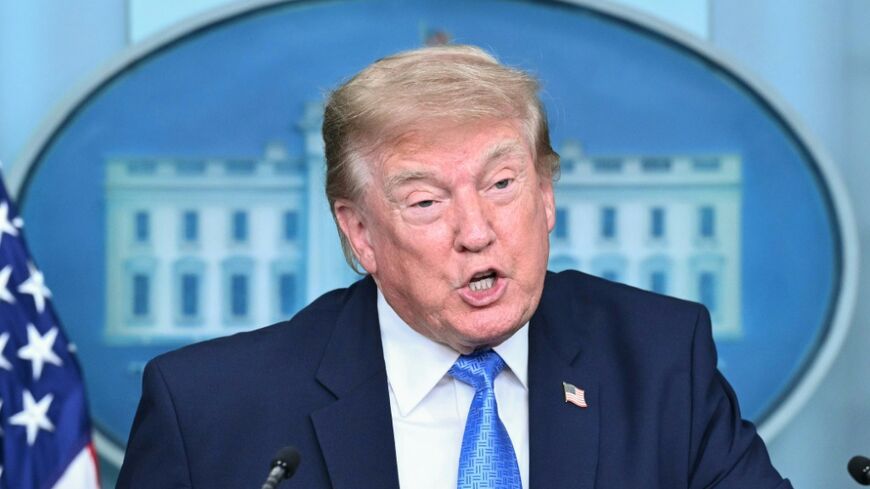
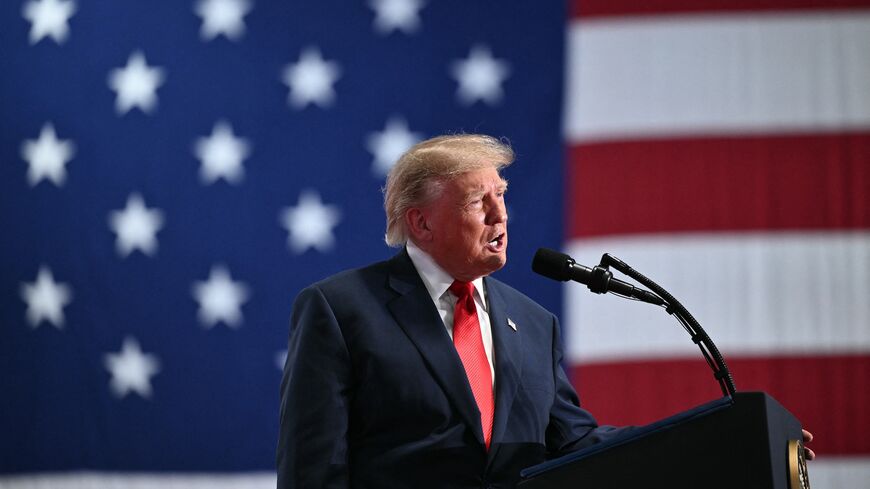
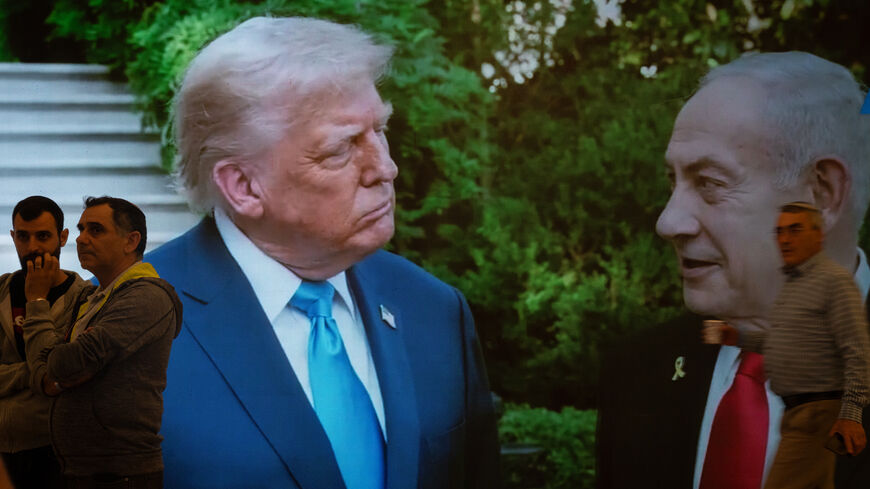
US President Donald Trump said last week that he is in no rush to act on Iran before the end of the year, roughly 40 days from now. The comment may have been a response to reports of Israeli pressure for renewed strikes before the Democratic-led Congress is sworn in on Jan. 3, 2027 (see below). He said he wanted a "permanent deal" addressing Iran's nuclear weapons program, while maintaining the naval embargo and reinforcing the US military build-up in the region.
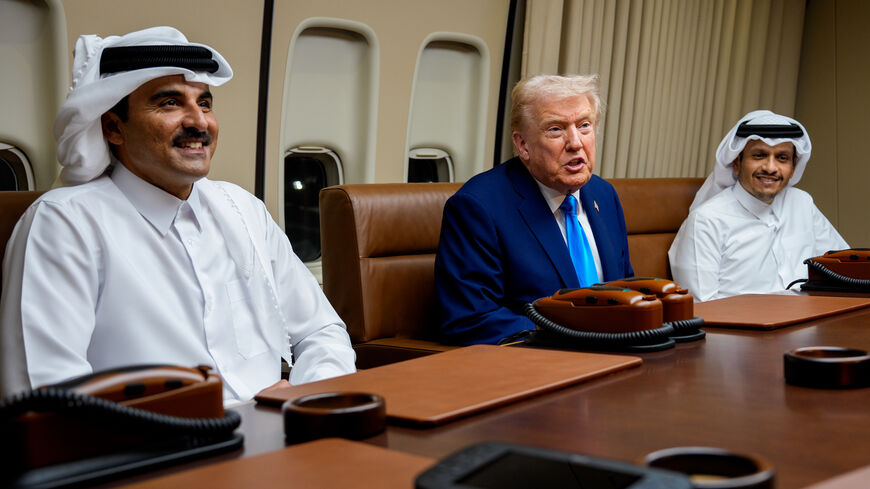
Qatari mediators were in Tehran on Friday, the day after Qatari Prime Minister Sheikh Mohammed bin Abdulrahman Al Thani and his Iran envoy, Ali al-Thawadi, met in Berlin with Trump's envoys, Jared Kushner and Steve Witkoff.
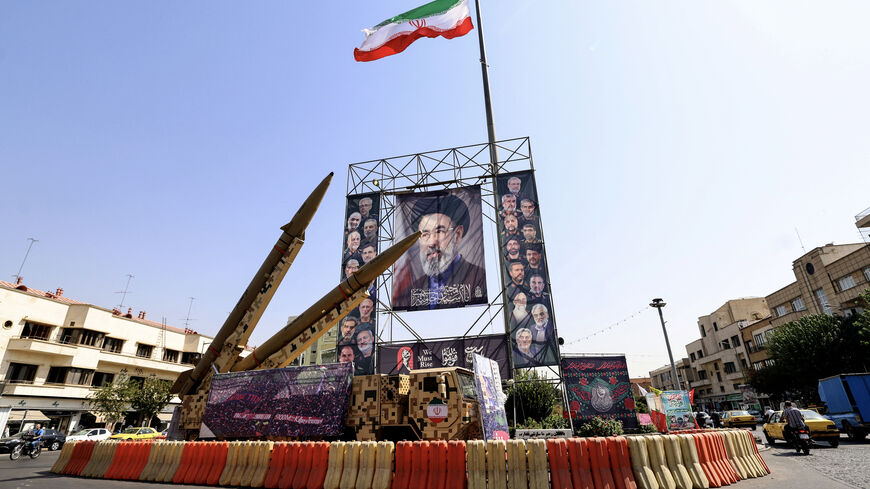
In an interview on Saturday, Iranian Foreign Minister Abbas Araghchi said Iran's "seven conditions,” including lifting sanctions, unfreezing assets and ending all regional conflicts and the naval embargo, remained unchanged. Iran's stockpile of enriched uranium, he said, would remain in the country, although a "formula can be found," perhaps alluding to international supervision of its dilution. He continued that Iran’s prohibition on developing a nuclear weapon remained unchanged, despite an ongoing domestic debate and reassessment.
Araghchi also said that Gulf countries seeking to avoid war while continuing to exert economic pressure on Iran were making a "strategic mistake." He argued that US bases in the region have become a source of insecurity rather than security. Bahrain, which hosts the headquarters of the US Fifth Fleet, has faced three Iranian drone and missile attacks in the past week.