What’s at stake for Turkey as Israel heads to the polls?
Israel’s Oct. 27 election could offer a chance to ease tensions with Ankara, but competing ambitions in Syria and beyond threaten to push the two US allies toward a dangerous confrontation.


A widening rivalry between Turkey and Israel is fueling fears that the two US allies could stumble into an "accidental" military clash. Tom Barrack, the US ambassador to Turkey and presidential envoy for Syria and Iraq, aired just such fears on Oct. 20 at a security forum in Doha, saying, “What we are all terrified about is an unintended accident that happens along this road.”
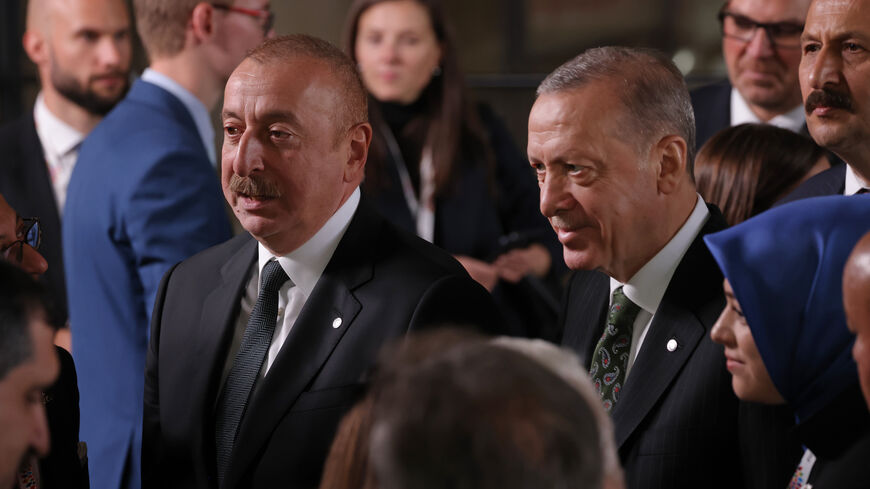
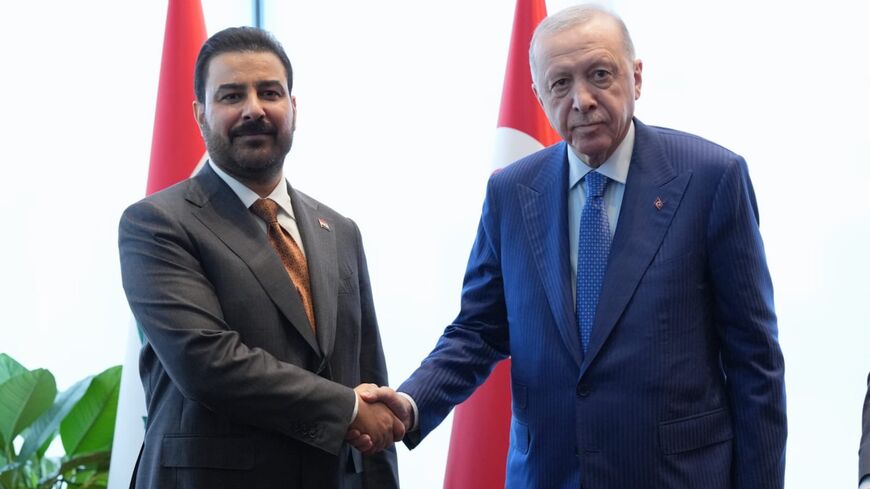
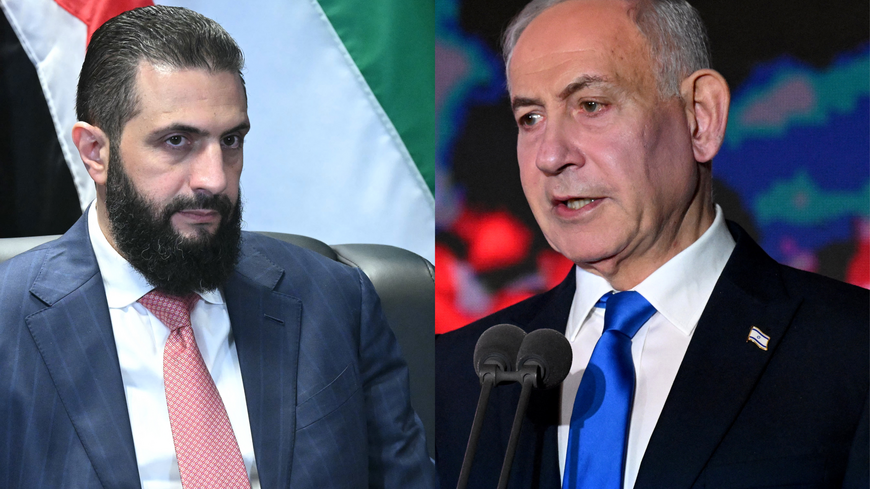
Turkey’s Islamist president and self-fashioned champion of Gaza, Recep Tayyip Erdogan, has been in power for more than two decades. Benjamin Netanyahu, a right-wing populist, has governed Israel on and off for almost 19 years. Both are die-hard pragmatists and consummate risk-takers whose escalating war of words over Gaza and Hamas has seen Erdogan call Netanyahu “even worse than Hitler” and Netanyahu label Erdogan an “antisemite dictator” and Turkey a “new Iran.”
The conventional wisdom has long held that until one or the other is out of power, Turkish-Israeli relations will continue their downward spiral. Left unchecked, this could eventually result, as Barrack warned, in some kind of physical confrontation, with first-order effects for the entire region.
The theory will be tested when Israel goes to the polls on Oct. 27 to elect a new parliament. Recent surveys suggest that neither Netanyahu’s Likud-led bloc nor the main opposition alliance led by Gadi Eisenkot, a former chief of staff of the Israel Defense Forces, is assured of a parliamentary majority. This leaves the door open for Israel’s veteran premier to build yet another coalition that keeps him in power — or not.