Analysis

Russia’s double game in Yemen: Backing Saudi Arabia while courting Houthis

Despite public ties to Riyadh, Moscow allegedly aided Houthi Red Sea strikes via Iran to pressure the West beyond Ukraine.

Amilcar Orfali/Getty Images
Crown Prince of Saudi Arabia Mohammad bin Salman al-Saud and Russian President Vladimir Putin look on during the opening day of the G20 Leaders Summit at Costa Salguero on Nov. 30, 2018, in Buenos Aires, Argentina. — Amilcar Orfali/Getty Images

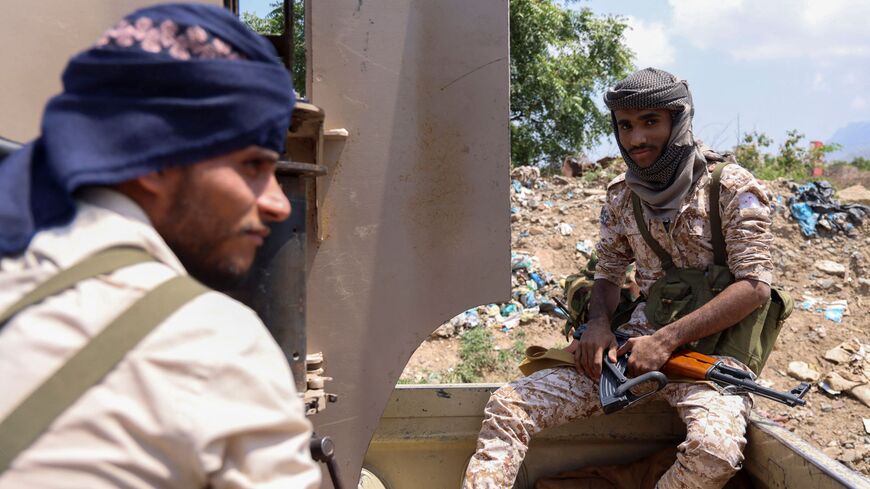
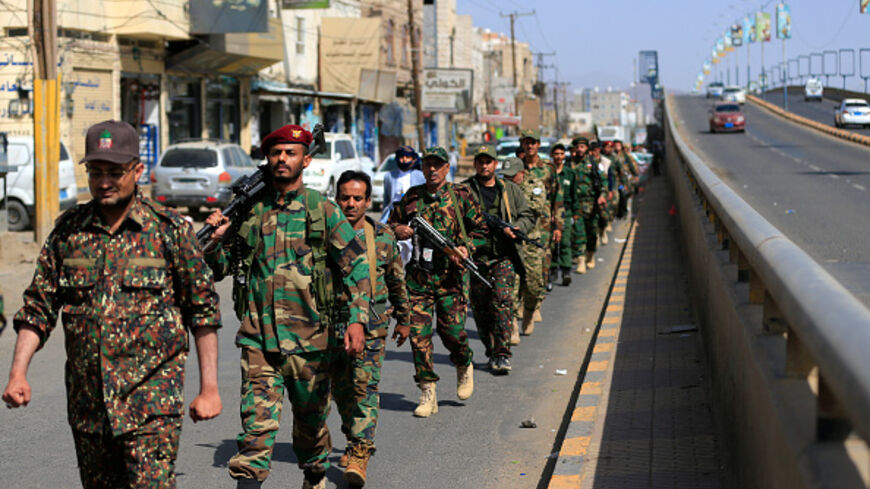
MOSCOW — The Russian government is employing a double-game approach to the renewed Yemen’s war: officially backing the internationally recognized, Saudi-supported Presidential Leadership Council (PLC) while simultaneously cultivating ties with the Houthis. 

The approach allows Russia to preserve relations with Yemen’s recognized government while expanding its influence with the Houthis and positioning itself to benefit strategically from regional instability and its impact on global energy markets.

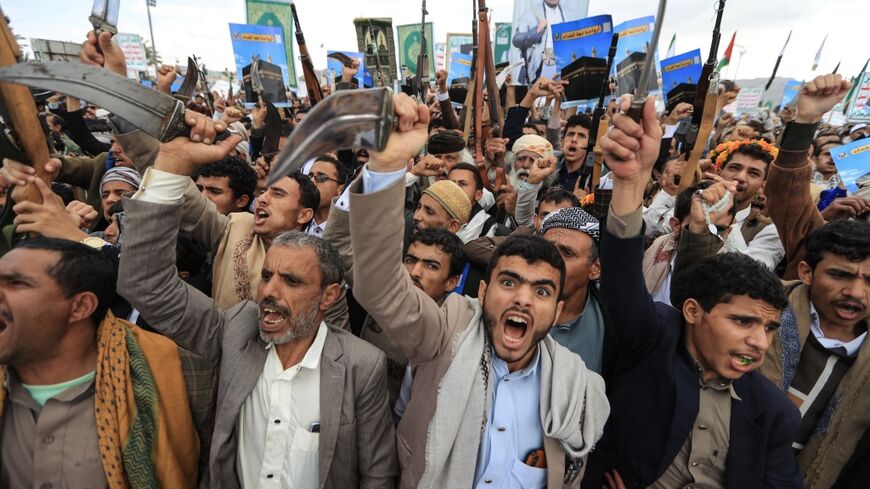
Even as reports swirl about possible Russian support for the Houthis, allegedly channeled through Iran, the Kremlin’s public diplomatic posture has remained markedly supportive of Saudi Arabia as the Iran-backed group has attacked the kingdom and advanced in the Red Sea region. 

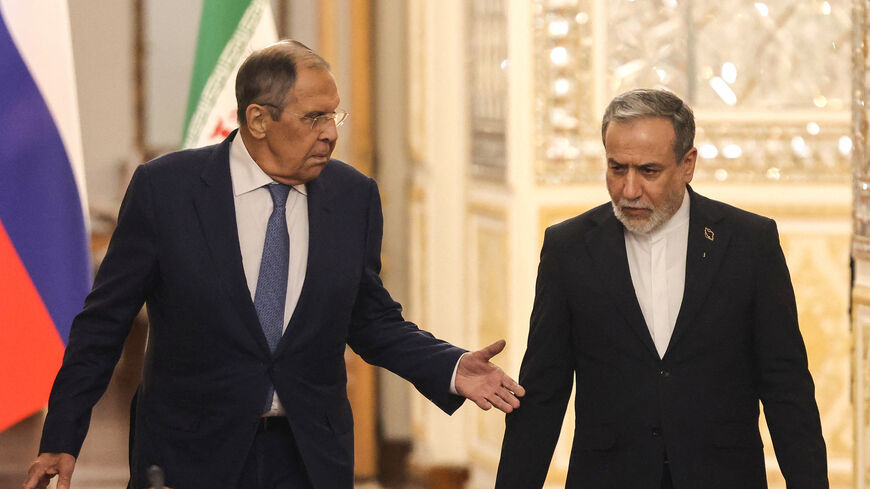
Russian Foreign Minister Sergey Lavrov underscored that position on Sept. 8, during a visit to Moscow by Saudi Foreign Minister Faisal bin Farhan. Lavrov described Houthi attacks on civilian targets in Saudi Arabia as “unacceptable” and “counterproductive.” 

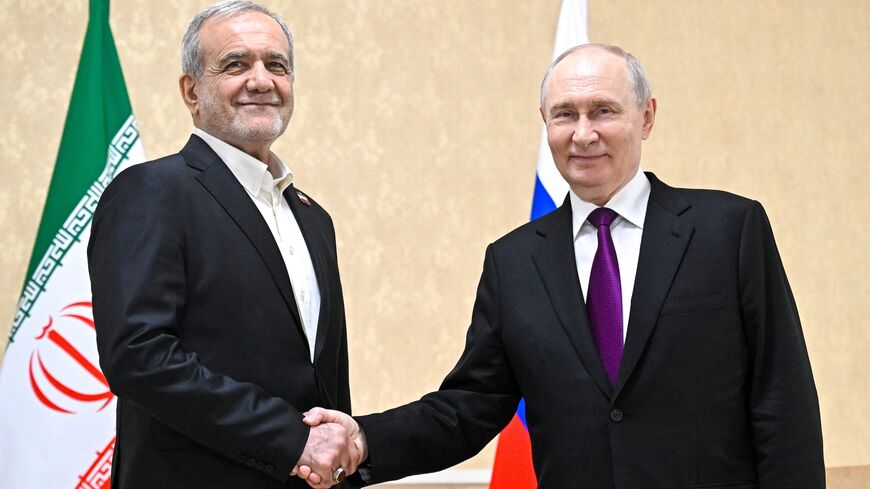
On Sept. 22, Russian President Vladimir Putin held a phone call with Saudi Crown Prince Mohammed bin Salman, during which both sides emphasized the need for freedom of navigation through the Bab el-Mandeb Strait and the Strait of Hormuz and for creating conditions to launch a constructive intra-Yemeni dialogue under UN auspices. And on Sept. 25, Lavrov wrapped up a string of meetings on the sidelines of the UN General Assembly in New York by holding talks with Abdullah al-Alimi Bawazir, a vice chair of Yemen’s Saudi-backed PLC, with the talks focused on the importance of bringing the conflict’s parties closer together.

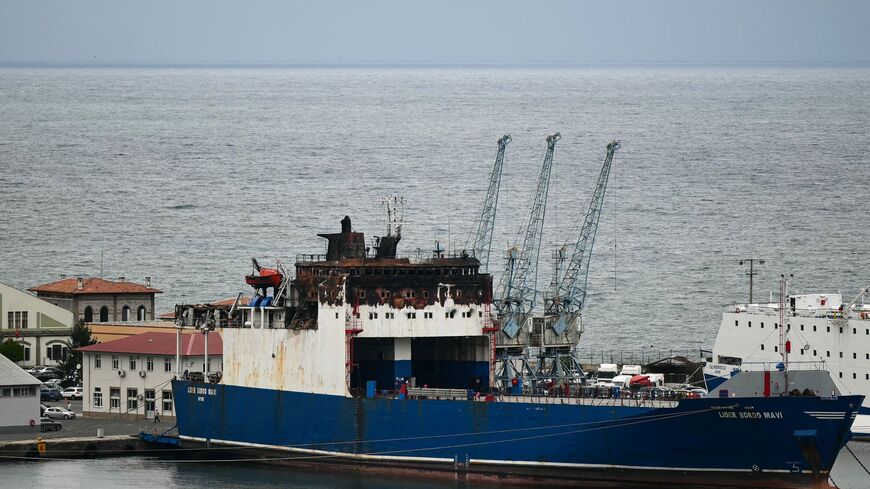
Despite Moscow’s increasingly supportive public posture toward Saudi Arabia, reports point to a parallel and far more opaque relationship with the Houthis, including alleged Russian assistance channeled through Iran. The Wall Street Journal reported in October 2024 that Russia provided the Houthis with satellite targeting data, transmitted through members of Iran’s Islamic Revolutionary Guard Corps, to help them strike commercial vessels in the Red Sea. The report suggested that Moscow was seeking to impose costs on the West and demonstrate its ability to widen pressure beyond Ukraine. 

This apparent two-track approach helps explain why growing Russian-Saudi contacts have done little to dispel concerns in Western diplomatic circles about Moscow’s relationship with the Houthis. Russia can publicly maintain close ties with Riyadh and support diplomatic efforts to end the Yemen conflict while, according to these reports, simultaneously using its relationship with Iran to strengthen the Houthis’ military capabilities.

Moscow’s approach to Yemen also appears to be driven by diplomatic constraints. Because Russia’s regional engagement, including plans to restore its diplomatic presence in Aden, depends on recognizing the internationally-backed government, it formally aligns with the Saudi-supported PLC. Its public support for the government and repeated calls for a political settlement therefore reflect legal and institutional realities more than decisive influence on the ground.

Deep roots in Yemen

Yemen’s longstanding ties with the Soviet Union gave Moscow relationships across the country’s political spectrum. After the national dialogue collapsed in 2014, the Houthis, supporters of former Yemen President Ali Abdullah Saleh and other factions looked to Russia as a possible mediator. Moscow instead anchored its policy in formal state legitimacy, backing transitional President Abdrabbuh Mansour Hadi.

As Hadi lost control and fled the country, Russia’s support for him weakened its standing with other factions. Moscow nevertheless hedged, recognizing Hadi’s government while maintaining contacts with the Houthis and Saleh.

Those ties weakened after Saleh’s death in 2017 and Russia’s relocation of its embassy from Sanaa, but contacts with the Houthis continued. After Russia’s 2022 invasion of Ukraine, relations deepened as the Houthis voiced support for Moscow and recognized the self-proclaimed Donetsk and Luhansk "people's republics." By 2026, however, Russia’s official rhetoric had shifted back toward engagement with Yemen’s internationally recognized government as it sought to preserve ties with Gulf states.

"It is critically important for Moscow that its balancing act in Yemen does not wreck relations with the key Gulf players — the [United Arab Emirates (UAE)] and Saudi Arabia," a diplomatic source in Moscow told Al-Monitor.

“That is precisely why Russian diplomacy is striving to ensure that its position on Yemen does not appear to be directed against the Arab monarchies, since any public support for the Houthis would mean losing ties with Saudi Arabia and the UAE,” the source added. 

What Russia wants

Another Russian diplomat told Al-Monitor that some in Moscow believe the Houthis may be escalating to raise the price of a return to negotiations, potentially creating an opening for Russia to position itself as an intermediary and push for de-escalation. The diplomat cautioned, however, that expectations of such a role may be overstated.

A third diplomatic source familiar with Russia’s contacts on Yemen described Moscow’s position as deliberately ambivalent. In private discussions with Saudi officials, Russian representatives condemn Houthi actions to protect ties with Riyadh, the source said. Publicly, however, Moscow keeps that criticism muted to avoid damaging relations with Iran. 

The source did not rule out the possibility that the Houthis had received limited assistance through Russian intelligence channels, but argued that any such support was more likely intended as a signal of capability than as part of a broader military strategy.

According to the source, Russia’s position in Yemen is sometimes compared with Oman’s: both have faced accusations of supporting the Houthis, while also maintaining channels with multiple sides in the conflict. In Moscow’s case, the source said, the priority is to bring the parties back into a political process, preserve a diplomatic channel for de-escalation, protect civilian shipping through the Bab el-Mandeb Strait and support a UN-led national dialogue.

That helps explain Russia’s balancing act: reassuring Riyadh through visible engagement with the PLC while maintaining quieter contacts with the Houthis and southern factions.

The illusion of oil profits

Escalation in the Red Sea and disruptions to Middle Eastern oil supplies have created favorable conditions for Russian crude exporters, including Rosneft and Lukoil, as higher global prices and continued Asian demand support export earnings. But the benefit to the Russian economy and state budget is far less straightforward.

Russia has not been able to capitalize fully on higher oil prices because Ukrainian drone attacks have increasingly disrupted its refining sector. Russian oil and gas budget revenues fell sharply in August, while exports of refined products have also declined. In September, half of Russia’s six largest diesel-producing refineries cut output substantially or halted some operations following drone strikes, according to Reuters.

The result is a mixed picture: elevated crude prices can bolster Russian exporters and foreign-currency earnings, but refinery damage, lower product exports and the growing cost of supporting the domestic fuel market offset part of those gains. 

That complicates the case that profit is driving Moscow’s Yemen policy. Russia may gain from Red Sea disruption and higher oil prices, but those benefits are more likely a consequence of the crisis than the reason behind the Kremlin’s approach to the Houthis.

An AL-MONITOR subscriber gifted you this article. Gifted by an AL-MONITOR subscriber.

A gift worth sharing.

This one's on us. Subscribe for unlimited access to everything we publish, plus gift articles for your inner circle. As low as $2/week. This one's on us. Get unlimited access, plus gift articles for your inner circle, from $2 a week.

See Offers

Related Topics