UAE’s OPEC exit rattles cartel as Gulf alliances shift
OPEC's fourth-largest producer will leave the cartel on May 1, marking the most significant departure in the group’s history as the war changes Abu Dhabi's relationship priorities.


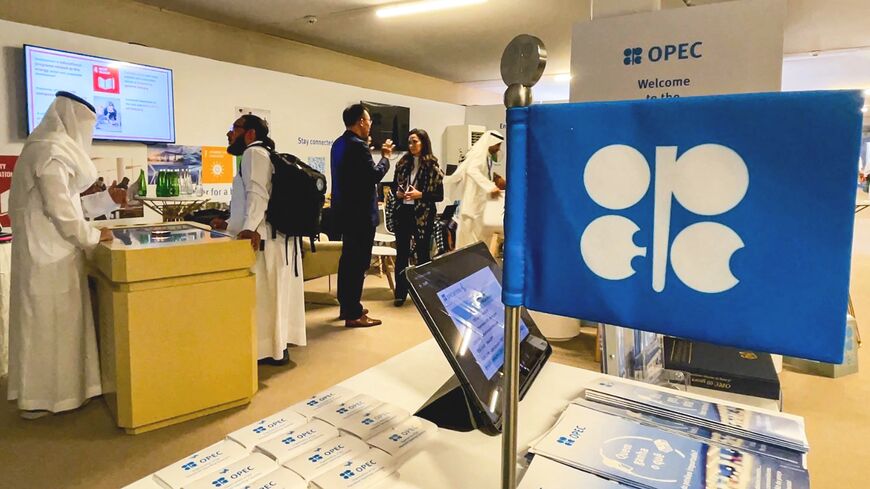
The United Arab Emirates plans to leave the Organization of the Petroleum Exporting Countries on May 1 as internal strains reshape the powerful oil cartel in 2026.
The move, long hinted at amid tensions with OPEC’s de facto leader, Saudi Arabia, comes during a severe energy supply shock triggered by the US-Israel-Iran war, which has disrupted roughly 20% of global crude flows by throttling the Strait of Hormuz.
For Abu Dhabi, however, the decision is less a wartime strategy than a longer-term strategic recalibration. Friction with OPEC and Riyadh has built for years, surfacing in disputes during the 2020-2021 meetings over production policy. Heading into 2026, broader geopolitical tension between the two Gulf powers was erupting into public view even before the US-Israel-Iran war broke out on Feb. 28.
“The decision today is not a complete surprise, and it reflects also the more recent escalation in tension with Saudi Arabia, the feeling that OPEC no longer holds the same value to the UAE and a harder sense that the Iran war has sharpened perceptions of which relationships the UAE should prioritize going forward,” Kristian Coates Ulrichsen, a Middle East fellow at the Baker Institute, told Al-Monitor.
Although not a shock to Gulf observers, Abu Dhabi’s high-profile departure raises immediate questions about OPEC’s cohesion, Saudi leadership and the future balance of power in energy markets at a moment when the UAE has edged closer the United States, which is currently the world’s largest oil and gas producer.
Wartime calculus
Emirati officials have framed the move as pragmatic. In response to the announcement, UAE Energy Minister Suhail Al Mazrouei told Bloomberg that the war-driven disruption created an opportune time for it.
“This is a decision that we took after a very careful and long review of all our strategies,” said Al Mazrouei. “The decision is taken at the right time, in our view, because it’s not going to hugely impact the market. The market is undersupplied.” According to the minister, Abu Dhabi believes that the shortages caused by the war will require responding to market demands without being constrained by OPEC's collective decision-making process.
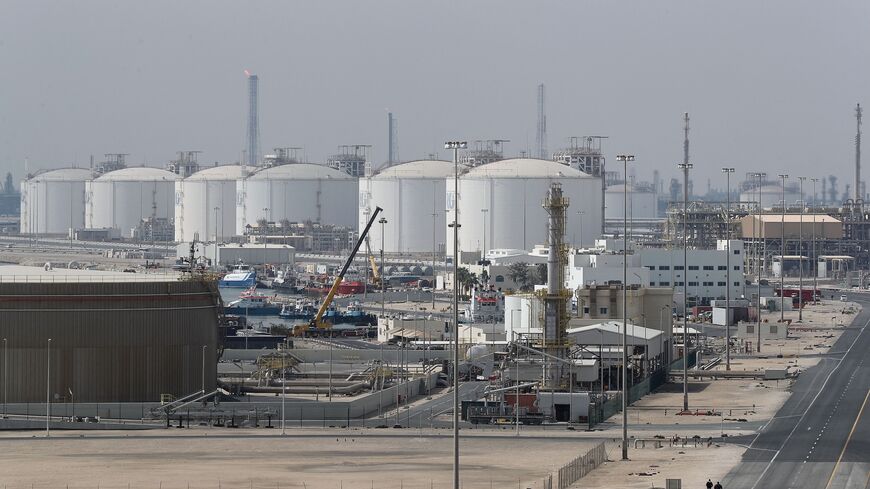
As one of the world’s top producers with significant spare capacity, the UAE has long chafed at output limits, particularly under the OPEC+ framework. Outside the cartel, it can monetize that capacity more freely, potentially unlocking tens of billions in additional annual revenue.
Leaving the alliance at a moment of shared crisis risks amplifying perceptions of fragmentation within the group. The conflict is hitting OPEC producers in the Gulf region hard, including Iraq and Kuwait, which have had to shut down production, preventing them from capitalizing on surging oil prices. Saudi Arabia and the UAE can bypass the Strait of Hormuz by sending some crude overland via pipelines, but both countries are also dealing with infrastructure damage and economic fallout.
Weakened bloc
The UAE accounted for roughly 11% of OPEC output in 2025 and about 7% of OPEC+ production, making its exit a material blow to a group that supplies around half of global oil.
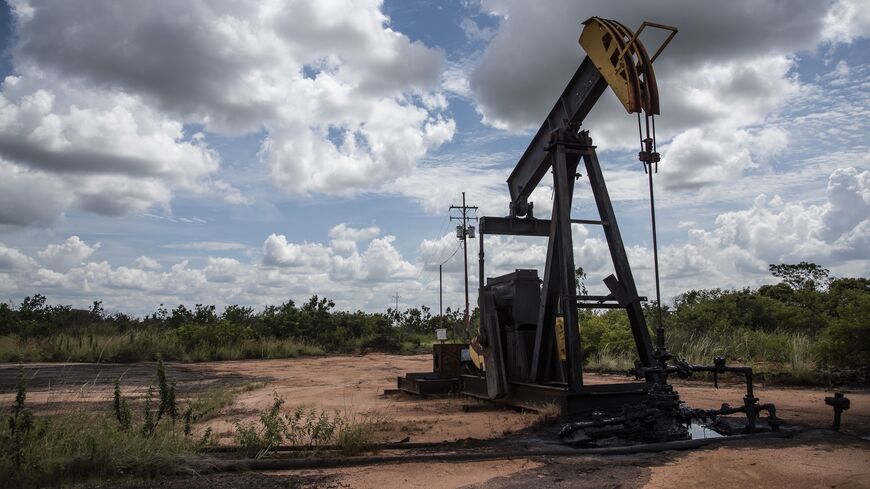
It follows other disruptions within the oil alliance. After the US ouster of Venezuelan President Nicholas Maduro earlier this year, that country’s production has effectively shifted under Washington’s influence. Combined, these changes place a notable share of former OPEC supply outside the cartel’s control.
Following Qatar’s exit from the group in 2018, this ongoing erosion challenges OPEC’s ability to act as a unified force, especially as war damage, uncertainty around Iran’s future role and potential US-engineered supply arrangements reshape the landscape. Even the prospect of stability in the Strait of Hormuz remains unclear.
Emirati-Saudi fault line
At the core is a deepening rift between Abu Dhabi and Riyadh. The two have diverged on regional policy from Yemen to Sudan, and are in increasing economic and geopolitical competition.
Within OPEC, tensions have centered on production strategy. Saudi Arabia’s preference for tighter supply and higher prices has clashed with the UAE’s push to maximize output. The inclusion of Russia as part of OPEC+ in 2016 further complicated internal dynamics, with Moscow taking on a wider leadership role in the alliance alongside Riyadh, diluting Abu Dhabi's sway.
The broader regional backdrop is also shifting. A day before the announcement, Anwar Gargash, diplomatic adviser to the UAE president, warned that Gulf strategies toward Iran had “failed miserably” and described the Gulf Cooperation Council as being at its “weakest” point historically — a stark signal of fraying regional cohesion at a moment of shared threat.
Against this backdrop, the UAE decided to recall a $3.5 billion loan to Pakistan earlier this month as Islamabad has deepened ties with Saudi Arabia.
US-aligned shift
The move also comes amid Abu Dhabi’s deepening alignment with the United States. Like wealthy Gulf neighbors, the UAE has been expanding US energy investments and earlier this year signaled interest in entering Venezuela following Maduro’s ouster.
During the conflict, US-UAE ties have been tested. Last week, news surfaced that the UAE had opened talks about a potential US Federal Reserve dollar swap line, pointing to a broader effort by Abu Dhabi to anchor itself more firmly within US-led financial and strategic frameworks.
Analysts say such moves are as much about political signaling as imminent financial distress, part of a strategy to elevate the UAE’s position as a core US partner. In this light, exiting OPEC is not just an energy decision but part of a wider pivot toward flexibility, diversified partnerships and reduced reliance on a Saudi-led regional order.
OPEC’s crossroads
In the near term, OPEC is likely to respond cautiously. Over time, however, the implications could deepen. A more independent UAE introduces a new competitive dynamic in a global energy market facing seismic upheaval, particularly if paired with rising US-linked production elsewhere.
That shift could impact Saudi Arabia’s strategic calculations and traditional role as swing producer. While Riyadh retains structural advantages, its ability to steer markets may diminish as more producers operate beyond its framework.