Minister warns aid cuts to Lebanon risk empowering Hezbollah
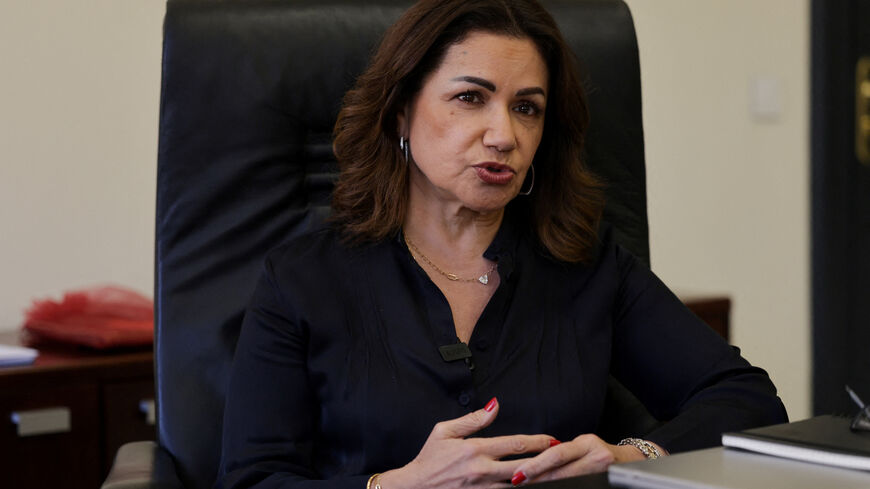
Lebanese Social Affairs Minister Haneen Sayed warns of resurgent sectarian tensions as Israeli strikes drive mass displacement into overcrowded Beirut.


You're reading an excerpt from Al-Monitor Washington, where we break down the latest in US-Middle East diplomacy. To read the full newsletter, sign up here.
WASHINGTON — As Israeli strikes continue to send waves of people fleeing southern Lebanon, a senior Lebanese official is urging the United States to increase humanitarian funding or risk Hezbollah gaining strength.
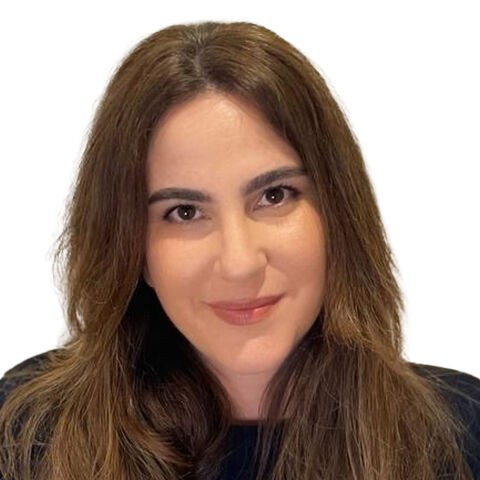
“Society is being pushed to the limit,” Lebanon’s social affairs minister, Haneen Sayed, told Al-Monitor during an April 14 interview in Washington. “After a while, people are going to get agitated.”
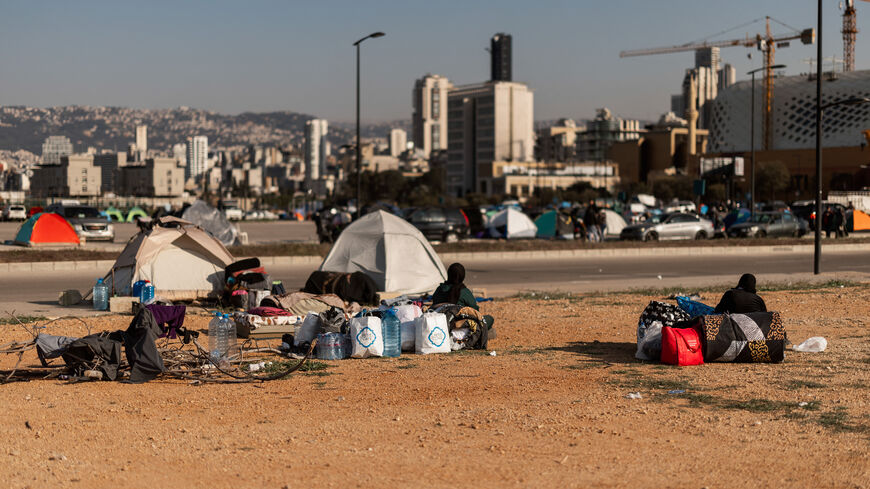
More than one million people in Lebanon — some 20% of the population — have been uprooted during the Israeli military campaign, which began on March 2 when Hezbollah fired missiles into Israel in support of its ally Iran. Israel responded with a massive bombardment across Lebanon that has killed more than 2,000 people, including at least 166 children, according to Lebanese authorities.
Sectarian strains
The displaced population is concentrated in Beirut, as well as the coastal city of Sidon and the Mount Lebanon region. Sayed said many are steering clear of government shelters in the country’s north, an area near the Syrian border where thousands of Shiites fled during the 2024 war, when Bashar al-Assad’s Hezbollah-aligned government was in power.
“We keep telling people to go north. They don't want to go,” Sayed said. "In their mind, they don't feel safe" bordering the new Sunni-led government in Syria.
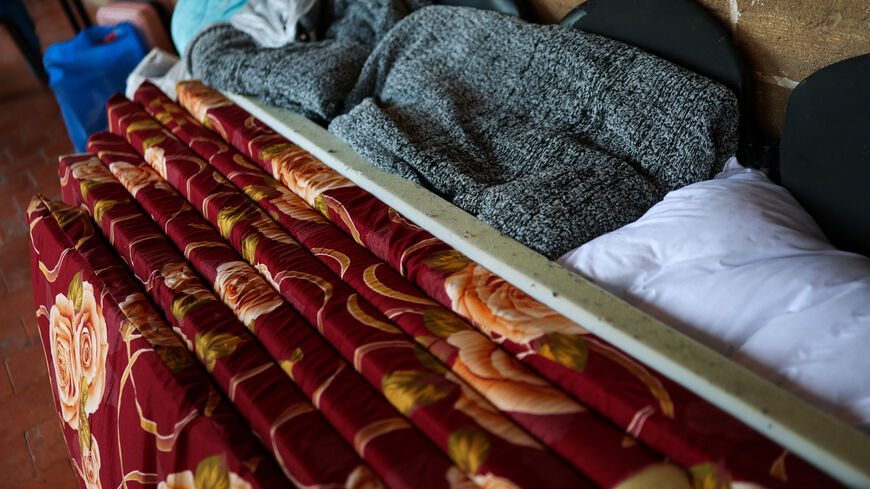
Sayed said Beirut has seen its population swell by 50% as Israeli strikes and mass evacuation orders have forced Lebanese to flee north to the capital, crowding into shelters or temporary housing with inflated rents. Most of the displaced families are Shiites, the same sect as Hezbollah.
Many non-Shiite host communities fear the displacement will become permanent. Israel targeted key bridges in the south, making it more difficult for displaced residents to return home once the war ends. The dynamic is heightening tensions among Sunni Muslims, Christians and Druze in a country scarred by its 1975-1990 civil war.
“I do have faith in the Lebanese people and until now, we haven't seen that kind of civil strife,” Sayed said. “We haven't had major eruptions of people going after each other, but it may happen — especially if we're not able to get enough resources.”
Funding crunch
Sayed, who was appointed social affairs minister in February 2025 after a 30-year career at the World Bank, said Lebanon saw similar displacement numbers in the 2024 war but had greater international assistance to manage it. The United Nations and donor countries raised some $700 million and delivered 111 planeloads of aid during the 66-day war between Israel and Hezbollah. This time funding has reached only about $100 million, with fewer than a dozen humanitarian flights landing in Lebanon.
Sayed said the aid shortfall is partly due to traditional Gulf donors being stretched thin by Iranian attacks that targeted their countries, as well as humanitarian budgets being slashed in the United States and Europe last year that crippled many aid groups.
She warned of "catastrophe" should the war drag into the summer, when Lebanon relies heavily on tourism revenue. “The economy will tank big time,” Sayed said.
After decades of corruption and mismanagement, Lebanon’s banking system collapsed and half its population was plunged into poverty by a financial crisis in 2019. The country’s economic hardship was compounded by the 2024 war, which the World Bank estimates inflicted $11 billion in damages.
On Tuesday, the State Department announced more than $58 million in humanitarian funding "to help provide lifesaving assistance" in Lebanon — a fraction of what’s needed amid the country’s prolonged displacement crisis.
The government estimates Lebanon will require about $88 million in outside funding per month to support those forced to flee their homes — nearly $1 billion per year, Sayed said.
Israel-Lebanon talks
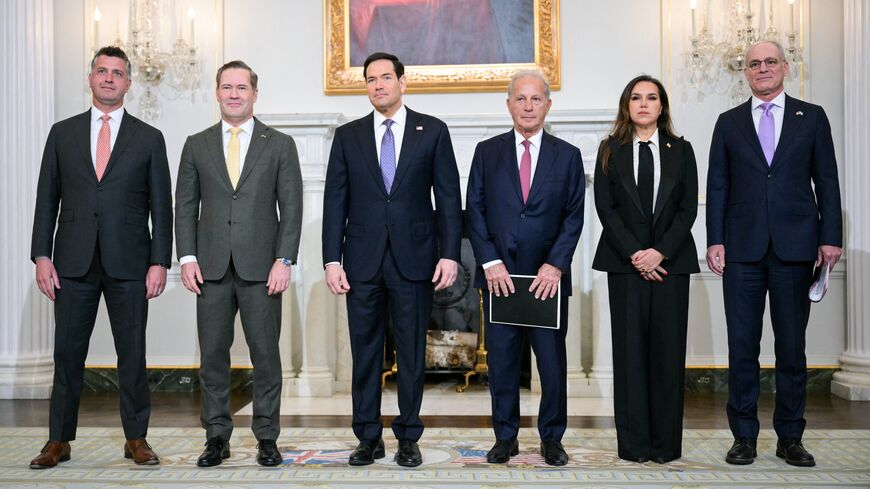
Sayed spoke to Al-Monitor hours after direct talks hosted by Secretary of State Marco Rubio at the State Department between the Lebanese and Israeli ambassadors. The two-hour meeting — the first of its kind in decades — did not produce a commitment from Israel to withdraw from southern Lebanon, as Beirut had hoped. The Israeli government, which for now is seeking to degrade Hezbollah militarily in order to restore calm to northern Israel, is reportedly considering a short-term ceasefire.
Although the two governments agreed on the need to disarm Hezbollah and pledged to meet again, Sayed warned that the Israeli military’s continued presence in southern Lebanon and its plans to occupy a buffer zone extending to the Litani River will only strengthen the militant group’s appeal domestically.
“Israelis occupation in the south serves Hezbollah’s raison d'etre,” Sayed said. “All this will do is fester another generation of armed resistance.”
She urged continued support for Lebanon’s state institutions — not just the army — in order to help rebuild public trust in the government formed under Prime Minister Nawaf Salam in February 2025.
Hezbollah operates hospitals, schools and welfare programs primarily in south Lebanon, the Beqaa Valley and Beirut's southern suburbs. The group's local influence and political leverage is reinforced as Lebanese turn to Hezbollah's social services when the state is unable to provide them.
Sayed summed up her appeal to US officials: “Let's put it this way. Hezbollah or armed groups grow and become stronger in front of a weak state. The more you strengthen the state, they will shrink naturally.”
Her other message to Washington was blunt: “Thank you for what money you're giving us. We want more.”