As Iran weighs Khamenei’s successor, some question future of role
Iran faces uncertainty as the process of choosing Khamenei’s successor unfolds, with some experts saying that wartime conditions and the lack of a clear heir could prompt debate over whether the supreme leader’s office should continue in its traditional form.
The killing of Iran’s supreme leader, Ayatollah Ali Khamenei, in an Israeli airstrike on Saturday has prompted fury and grief from parts of the Shiite world, with calls for revenge rising from Tehran and beyond.
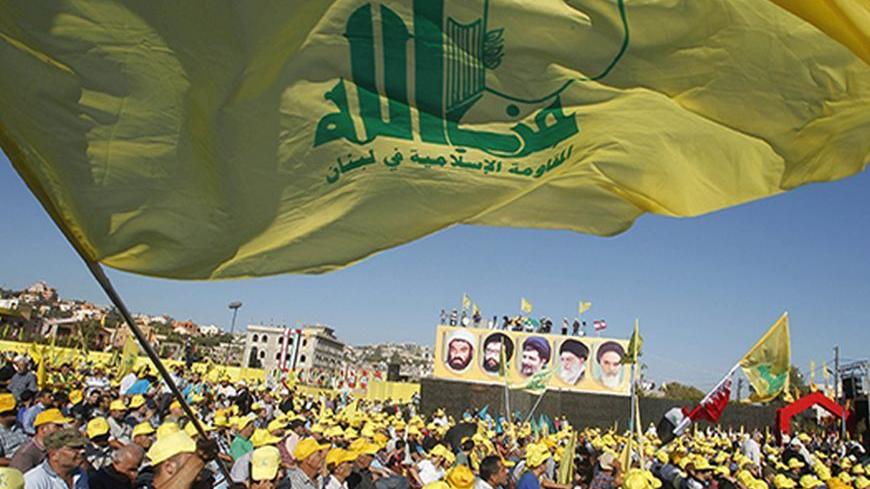
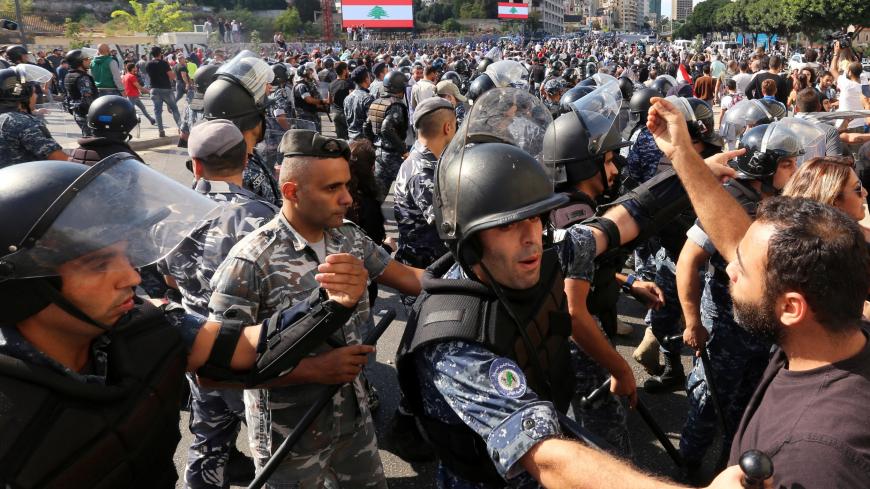
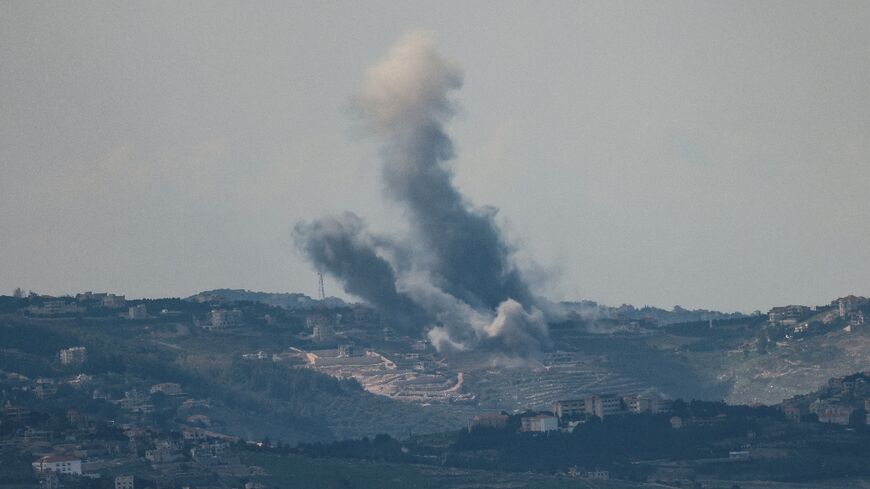
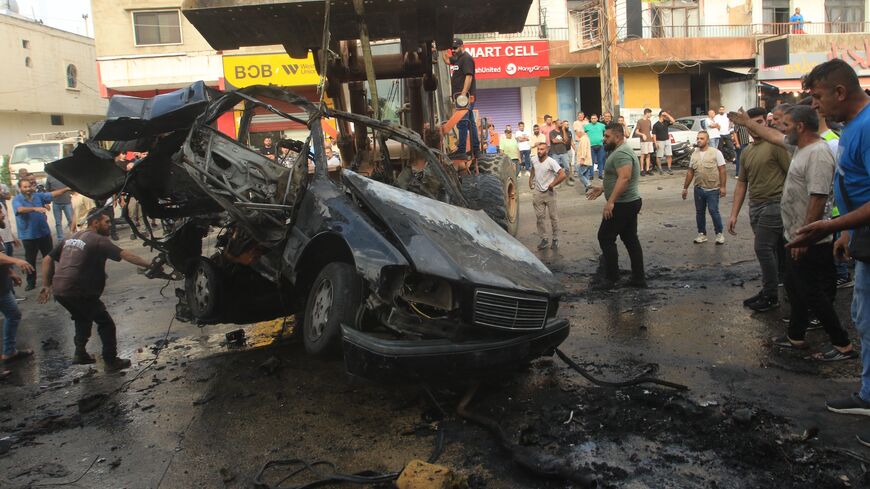
In Karachi, at least 25 people died when hundreds of Shiite protesters clashed with police as they sought to storm the US Consulate on Sunday. Lebanon-based Hezbollah, Iran’s closest ally, fired rockets into southern Israel. Its leader, Naim Qassem, hailed Khamenei as a “divine leader” and heavenly guide and vowed to “not abandon the field of honor and resistance” regardless of the scale of sacrifice required.
Many of the world’s more than 200 million Shiites will be watching closely as Iran girds itself to select a new leader to replace the 86-year-old ethnic Azeri cleric who ruled over Iran for 37 years.
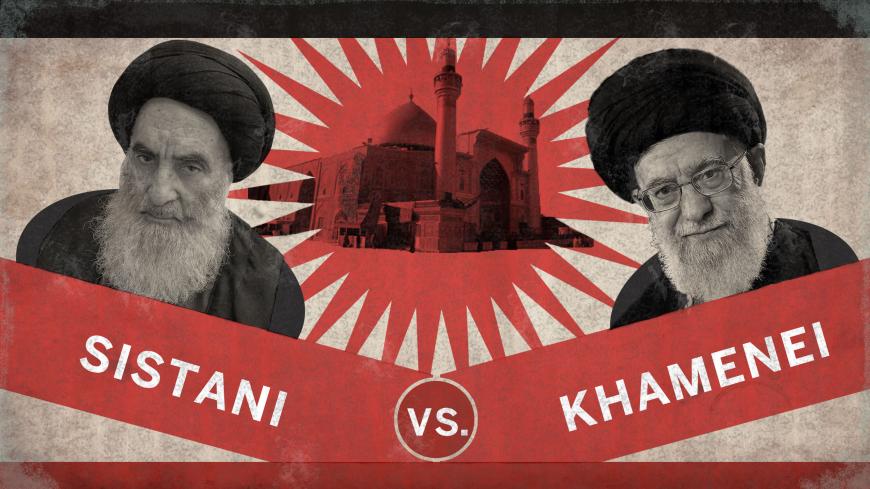
Amid feverish speculation over who will succeed Khamenei, another more critical question has emerged: Will there even be a successor? Will the office of the supreme leader continue to exist?
Khamenei’s brutal reign left tens of thousands of Iranians dead and the energy-rich country of more than 93 million in diplomatic isolation and financial ruin.
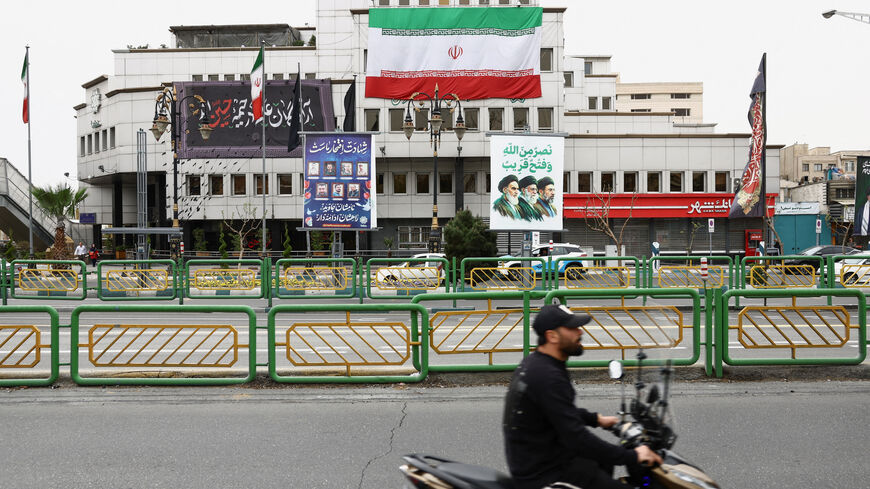
Those who mourn him in his native Iran are likely far outnumbered by those who rejoice at his death, analysts say, even as Israel and the United States continue with their massive assault on their country, now in its third day.
The end of an office?
“Khamenei was more popular outside the country than inside. People within Iran, even those who identify as Shiites, were more exposed to the direct implications of his misrule. As a result of this cruelty and repression, very religious people not only got secularized; they detest religion as a whole,” Hamidreza Azizi, a senior non-resident fellow at the German Institute for International and Security Affairs in Berlin, told Al-Monitor. “The Velayat-e Faqih is now very much in question,” Azizi told Al-Monitor.
The Shiite doctrine of Velayat-e Faqih, or “Guardianship of the Islamist Jurist,” essentially grants a qualified Islamic jurist or guardian ultimate control over the Islamic Republic.
The role has been fiercely debated in Iran’s Islamic clerical circles ever since Khamenei’s predecessor and the leader of the 1979 Islamic Revolution, Ayatollah Ruhollah Khomeini, reintroduced the concept, albeit with substantial tweaks.
This new version “was concocted and has no precedent in Shiite Islam or any other form of Islam. This is a man-made concept, and if it disappears tomorrow, few people will miss it,” Alex Vatanka, the director of the Middle East Institute’s Iran program, told Al-Monitor.
Khamenei’s ascent following Khomeini’s death in 1989 added a new layer of controversy because he lacked Khomeini’s clerical pedigree.
“Khamenei was not qualified from the get-go and undermined the Velayat-e Faqih from the day he took the job,” Vatanka said. The majority who voted him into power for political expediency deepened the split within the clergy, with those “who believe Islam is politics” on one side, and those “who believe politics is not Islam” on the other.
Through a regime built on corruption and stifling repression at home, Khamenei unleashed instability across the region through his so-called Axis of Resistance against Israel and the United States. Hezbollah, the Houthis and Hamas were its main pillars, along with a swathe of Shiite militias that sprung from the Islamic State’s war against Iraq. They have been steadily crumbling since Israel began exacting vengeance for Hamas’ Oct. 7 attack on its soil.
A three-man interim leadership council has been formed to run the government in the wake of Khamenei’s death in line with Article 111 of the Iranian constitution. It consists of President Masoud Pezeshkian, 71; the Chief Justice of the Supreme Court Gholam-Hossein Ejei, 69; and a member of the Guardian Council, Ayatollah Alireza Arafi, 66.
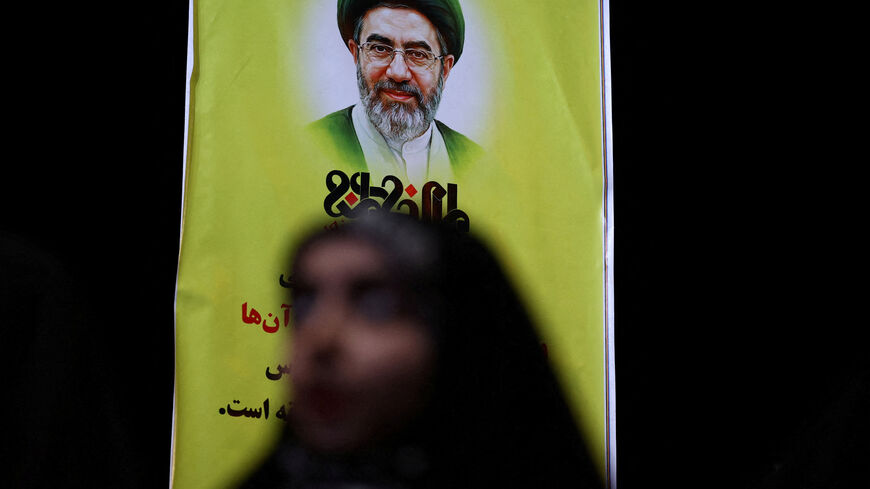
A longtime Khamenei protege, Arafi is being touted among potential successors because of his bureaucratic skills. Khamenei’s son, Mojtaba, and Khomeini’s grandson, Hassan, are also being mentioned. They could, in theory, all be killed before a vote occurs.
This is essentially what happened in Lebanon when Hassan Nasrallah, who led Hezbollah for 30 years, was killed in an Israeli airstrike in September 2024. It was widely assumed that his cousin Hashem Safieddine would take over. The Israeli military killed him before he could, and Nasrallah’s deputy, Naim Qassem, was elected instead. As Azizi pointed out, Qassem has none of Nasrallah's charisma or clout.
What comes next
In the event that a new supreme leader is elected, it may take years, if not decades, for him to consolidate power, as it did for Khamenei. “Throughout the 1990s [former President Ali Akbar Hashemi] Rafsanjani was more powerful than Khamenei in Iran. He was very weak when he got the job,” Vatanka recalled.
Observers say there is a possibility that the council could cut a deal with President Donald Trump and defer a decision on formally initiating the succession process, or perhaps could even abolish the office altogether.
The logistics pose a big enough challenge that delaying the vote would make sense. Some 88 clerics, known as the Assembly of Experts, will need to travel from 31 provinces to gather in the old parliament building in Tehran to cast their vote in wartime. Most are in their 70s and 80s.
Those who believe that the office of the supreme leader must survive argue, among other things, that it has been instrumental in mobilizing Shiites beyond Iran’s borders and winning their support. This, in turn, gives Iran leverage with the governments of the countries where Shiites reside. Saudi Arabia has a sizable Shiite population. In Bahrain, a state ruled by a Sunni monarchy, Shiites form the majority.
Friends without benefits
On Monday, Bahraini authorities launched a campaign of arrests targeting people who were accused of celebrating Iranian missiles and drones that struck sites in the kingdom. They included facilities linked to the US Fifth Fleet. The arrests were based on videos posted on social media that showed people hailing the Iranian operations.
The kingdom, with Saudi assistance, violently cracked down on Shiite protesters, during the 2011 Arab Spring unrest that convulsed the Middle East.
Khamenei’s killing is “a major event, and in some ways we can be surprised there hasn't been more reaction. The assassination of what some Shiite communities see not just as a political leader but as a religious and ideological guide is certain to cause anger and deep emotion,” Kristin Diwan, a senior resident scholar at the Arab Gulf States Institute in Washington, told Al-Monitor.
The muted reaction in Saudi Arabia in particular has been attributed in part to recent changes under the kingdom’s effective leader and crown prince, Mohammed bin Salman. “Political conditions have really changed since the hyper-sectarian period around the time of the Syrian civil war. The turn toward nationalism has eased Sunni-Shiite polarization and provided more space for inclusion, especially in Saudi Arabia, where religious adherence was once enforced by the state,” Diwan said.
Bahrain’s rulers remain more vulnerable. “There has not been broad acceptance of the Abraham Accords, and that’s among both the Sunni and Shiite populations. We have seen regular protests against normalization with Israel that the government has permitted within limits. So the normalization with Israel has provided a different dynamic that has the potential to turn this US-Israel war on Iran into something more political, beyond just emotions,” Diwan observed.
As things currently stand, in the eyes of most Iranians, Shiites outside of Iran are not relevant to Iranian dynamics and have become “a burden for Iran for very little return,” Vatanka argued.
Khamenei’s “fixation” on a global Shiite network was “supposed to provide protection.”
“In the end, the opposite happened. The Americans and the Israelis came after Iran because of it,” he said. “This is how the Iranians look at it.”