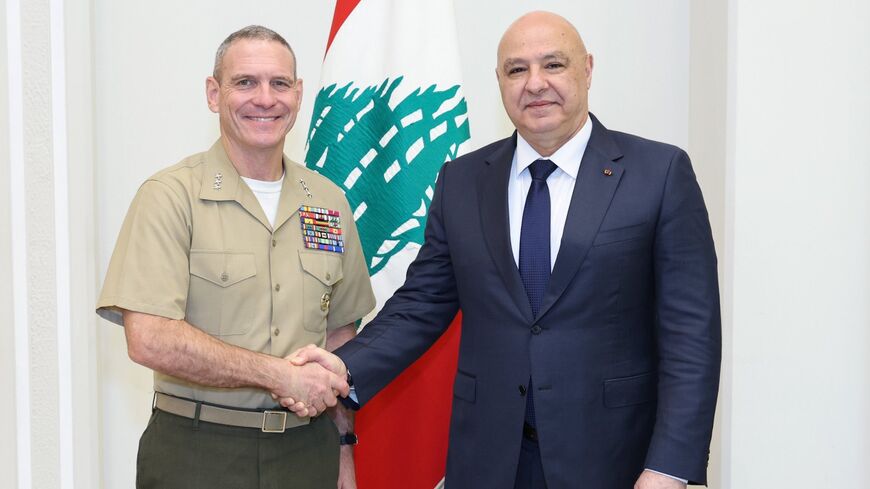
Lebanon and Israel hold first direct talks in decades: What to know
Lebanon and Israel sent civilian representatives to the latest US-led meeting of the committee overseeing the ceasefire, aiming to break the stalemate between the two countries as Israel intensifies its attacks on Lebanon over its delay in disarming Hezbollah.

BEIRUT — Lebanese and Israeli civilian officials held rare talks Wednesday in Lebanon’s southern city of Naqoura, the first civilian-level talks since 1991. The talks offer a glimmer of hope in preserving a shaky ceasefire that ended the war between Israel and Hezbollah.
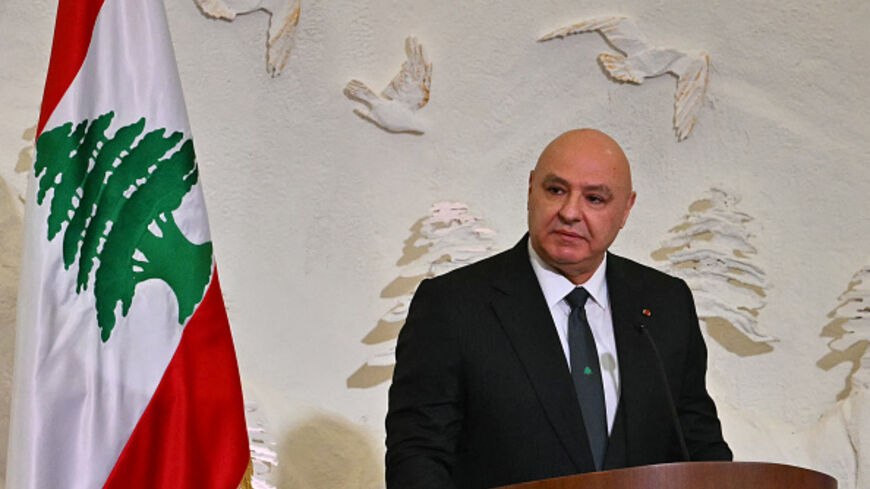
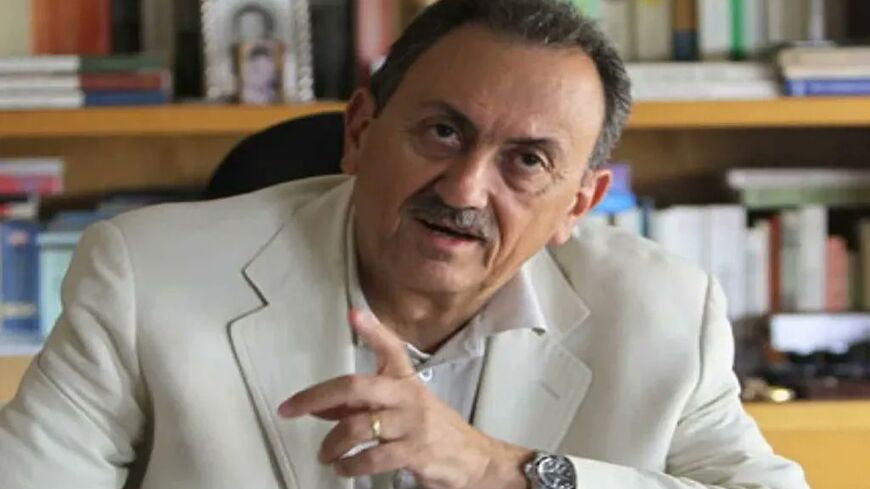
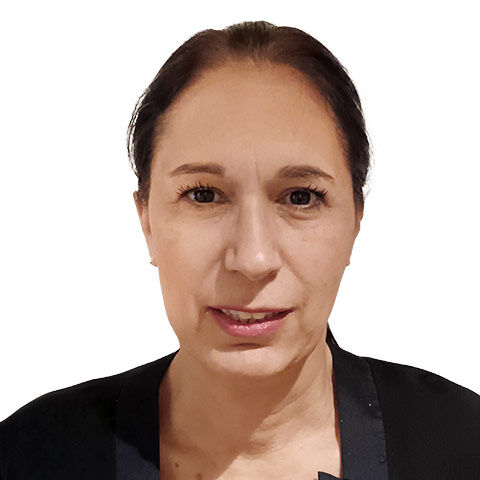
What happened: The talks that took place in Naqoura near the UN-demarcated Blue Line, the two countries’ de facto border, were led from the Lebanese side by former Ambassador to the US Simon Karam. On the Israeli side, National Security Council Senior Director for Foreign Policy Uri Resnick attended the meeting.
The talks were the first time since the Madrid Conference in 1991 that civilians from both sides sat at the same table. At that time, Lebanese Foreign Minister Fares Boueiz attended the Arab-Israeli summit.
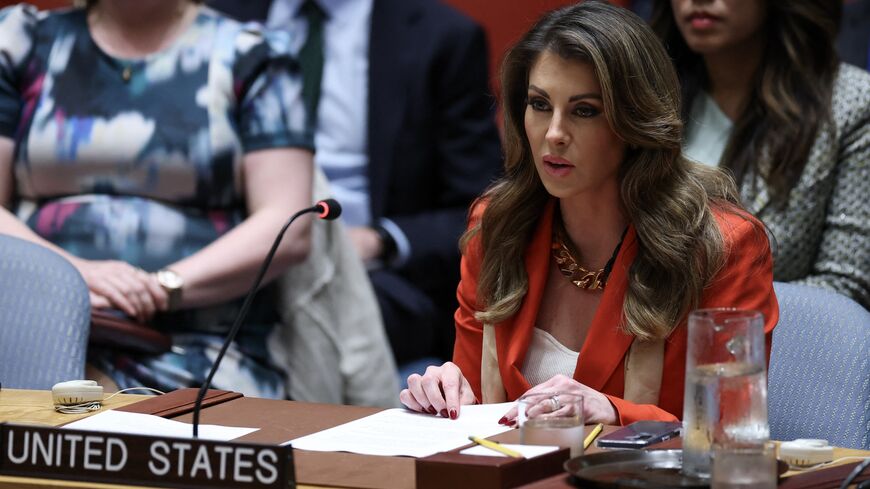
Washington was also present at the talks. “To support a durable peace and shared prosperity of both sides, former Ambassador Simon Karam of Lebanon and National Security Council Senior Director for Foreign Policy Dr. Uri Resnick of Israel joined Counselor Morgan Ortagus at today’s meeting as civilian participants,” a statement by the US Embassy in Lebanon read. “Their inclusion reflects the Mechanism’s commitment to facilitating political and military discussions with the aim of achieving security, stability, and a durable peace for all communities affected by the conflict.”
The statement added that all participating parties welcomed the participation of Karam and Resnick as a major step toward lasting civilian and military dialogue. “The committee looks forward to working closely with Ambassador Karam and Dr. Resnick in future sessions, and to integrating their recommendations as the Mechanism continues to promote lasting peace along the border.”
Who is Simon Karam? Karam, 76, is a Lebanese lawyer and veteran diplomat who served as Lebanon’s ambassador to the United States in the early 1990s. Karam was born in Jezzine in southern Lebanon near the security zone that Israel occupied from 1982 to 2000. The town itself was occupied by the South Lebanese Army, a militia allied with Israel at the time.
Karam was a former governor of the Bekaa and Beirut. He later joined the Qornet Shehwan Gathering advocating Syrian withdrawal from Lebanon.
In a significant move earlier Wednesday, Lebanese President Joseph Aoun appointed Karam to represent Lebanon in the negotiating committee meeting.
Presidential spokesperson Najat Charafeddine explained in a statement Wednesday that Karam's appointment follows consultations with Prime Minister Nawaf Salam and parliament speaker Nabih Berri and with the approval of Israel.
Why it matters: Wednesday’s meeting marks the first direct talks between Israel and Lebanese civilians in decades, signaling a major step toward normalization negotiations between the two sides.
Until now, the committee’s periodic meetings involved only military officials, who largely avoided direct contact with each other.
The committee, known as the International Monitoring and Implementation Mechanism, was established under the ceasefire reached Nov. 27, 2024, with the task of monitoring the truce and ensuring compliance with its terms.
It is headed by the US and France — both of which helped broker the ceasefire — and is made up of UNIFIL, French and Lebanese representatives.
Lebanese and Israeli military officials had previously met face to face, including in March, when the two sides agreed to negotiate the demarcation of their shared land border.
In October 2022, Lebanon and Israel also reached a US-brokered agreement to demarcate their maritime borders. The negotiations were mediated by former Assistant Secretary of State for Near Eastern Affairs David Schenker and attended by former Director General of the Israeli Ministry of Energy Udi Adiri and Deputy Chief of Staff for Operations of the Lebanese Army Brig. Gen. Bassam Yassin.
However, officials in Lebanon — which remains technically at war with Israel — maintain that Wednesday's talks are technical and held under the auspices of mediators, stressing that there is no active diplomatic channel between the two sides.
In 1983, the two countries signed a US-brokered agreement following Israel’s invasion of Lebanon a year earlier, stipulating the withdrawal of Israeli forces and an end to cross-border attacks. The agreement also provided a framework for the normalization of bilateral ties, but it was never implemented.
The appointment of Karam to participate in Wednesday’s meeting comes after Aoun repeatedly expressed readiness to engage in negotiations with Israel to resolve outstanding issues, including the withdrawal of Israeli troops from border areas and the end of its airstrikes in the country.
Background: Under the ceasefire, Israeli troops must withdraw from five border villages they occupied during the war by Jan. 26, 2025. The deadline has been extended twice as Israel has refused to remove its forces, citing Hezbollah's regrouping activities.
The ceasefire also called for Hezbollah to move its fighters and military infrastructure north of the Litani River — about 30 kilometers (18 miles) from the border with Israel — and required an increased deployment of Lebanese soldiers in coordination with UNIFIL to prevent Hezbollah from rearming.
Israel has continued to launch almost daily airstrikes since the ceasefire was reached, while intensifying its attacks in recent weeks as it accuses Hezbollah of violating the ceasefire by attempting to rearm. On Nov. 23, it killed Hezbollah’s second-in-command, Ali Tabatabai, in a rare strike in the southern suburbs of Beirut, further deepening concerns of an imminent return of the war.
Meanwhile, Lebanon accuses Israel of violating the ceasefire by striking civilian areas. UNIFIL reported late last month over 10,000 Israeli violations in the country over the past year, including 7,500 air violations and nearly 2,500 ground violations north of the Litani River.
Wednesday’s meeting came after a fragile pause in Israeli airstrikes coinciding with Pope Leo XIV’s three-day visit to Lebanon. As he concluded his visit on Tuesday afternoon, Israeli warplanes and drones were flying at low altitude over southern Lebanon, Beirut and the Bekaa in the east.
Ortagus headed to Beirut after a stop in Israel on Tuesday, where she met with Netanyahu, Israeli Defense Minister Israel Katz, Foreign Minister Gideon Saar and Israeli military intelligence chief Shlomi Binder.
Details of the talks with Netanyahu and Katz were not made public, but according to Israel’s Channel 14, the officials briefed Ortagus on Hezbollah’s alleged attempts to rebuild its military capabilities and Israel’s frustration over the Lebanese authorities’ lack of progress in disarming the group.
Saar, meanwhile, said in a post on his X account that he informed the US envoy that Hezbollah, not Israel, was the one violating Lebanon’s sovereignty.
“Hezbollah’s disarmament is crucial for Lebanon’s future and Israel’s security,” he stressed.
Since last year’s ceasefire, Washington has been pressuring Beirut to quickly move forward with disarming Hezbollah. Although the army said it is implementing a plan drafted in September to place all weapons under state authority, US and Israeli officials believe no progress has been made. The US has given Lebanon until Dec. 31 of this year to completely disarm Hezbollah, Israel Hayom reported last week.
Hezbollah has refused to hand over its weapons.
Speaking before the Israeli Knesset last week, Katz warned that there would be “no calm” in Lebanon until the security of Israel is guaranteed.
“If Hezbollah does not give up its weapons by the year’s end, we will work forcefully again in Lebanon,” Katz vowed.
The Lebanese army says it has dismantled hundreds of Hezbollah sites and weapons depots in southern Lebanon as part of the ceasefire agreement. According to US Central Command, the military has removed nearly 10,000 rockets, almost 400 missiles and more than 205,000 pieces of unexploded ordnance from the south over the past year.
UNIFIL said last month it has located 360 abandoned weapons caches in the south, which were handed over to the Lebanese army.
Hezbollah, weakened after the war with Israel, has lost most of its senior leadership — including longtime Secretary-General Hassan Nasrallah — and analysts estimate the group has lost around 70% of its military capabilities. Despite losing the bulk of its arsenal, Israel accuses the group of working to rearm.
Military spokesperson Nadav Shoshani told reporters last month that Hezbollah was operating in southern Lebanon in violation of the ceasefire while simultaneously trying to smuggle weapons from Syria and other routes.
Know more: Hezbollah seemingly lost one of its main supply routes from Iran after the takeover of the rebels in neighboring Syria and the fall of its main ally President Bashar al-Assad last December. Since then, Syria’s new authorities have stepped up their crackdown against any smuggling attempts.
On Wednesday, the Syrian Interior Ministry announced that its forces foiled an attempt to smuggle 1,250 landmines equipped with detonators to Lebanon’s Hezbollah. Four people were arrested while another was killed during the raid near al-Jebbe, near the capital, Damascus.