



Israeli knitting project empowers Bedouin, Syrian women
Israeli luxury brand IOTA offers high-quality knitted objects and furniture, while empowering Israeli, Bedouin and Syrian women.
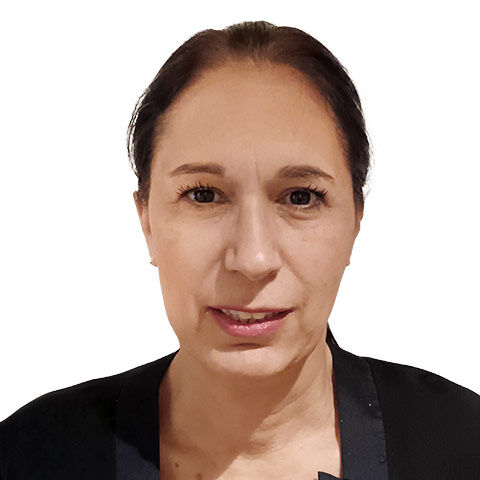

Shula Mozes and Tal Zur are both busy women. Mozes is a social entrepreneur and the founder of a philanthropic volunteer association for youths. Zur is a designer and artistic director. The coronavirus pandemic has delayed the presentation of their new knit collection, but they are not deterred. While preparing their next collection, they have already released a coronavirus kit for home knitting. The kit includes detailed instructions and high-quality material for knitting face masks.
"We are a small team of women, doing everything and operating exactly like a start-up; we react quickly and dynamically to changes. We react, and if we fall down, we get up rapidly. For instance, we have started recently fabricating home-knitting kits for slippers and face masks. We are all about crafts and design. Does that mean that we should operate like a traditional society? Absolutely not!" Zur said, when they launched the home-knitting idea.
Mozes, the founder, and Zur, the co-founder, manage together the IOTA project. A young initiative, established in 2014, which connects the art of crochet knitting with the desire to create job opportunities for disadvantaged people and unemployed women. More specifically, it offers women who fled from Syria to Turkey and women from the Israeli-Bedouin community to deploy their crafting know-how for the creation of luxury furniture and decorations for indoors and outdoors. Using traditional techniques, the women follow designs imagined by the Israeli team, to create beautiful rugs, swings, stools, foot rests, cushions, quilts, and much more. A unique universe of colors and materials. Or in Zur’s words, "creating innovative products from a traditional starting point."
Zur explained that the language of knitting is ancient yet universal, like the language of music and notes. Women from different countries and cultures can communicate and dialogue though knitting, even if they don’t speak each other’s languages. "In Istanbul, there is an initiative that is a bit similar to ours. It is run by Izabela Ersahin, who works with female refugees. The women learn knitting techniques and they can work the way that is best for them. We started working together two years ago, and the idea is that we offer a way of thinking — not just design and production. This way, we are developing a chain of businesses with a common denominator and shared values."


