



Iraqi authorities fail to protect journalists
Journalists are increasingly being targeted by attacks and killings in Iraq, while the government stands by in silence.
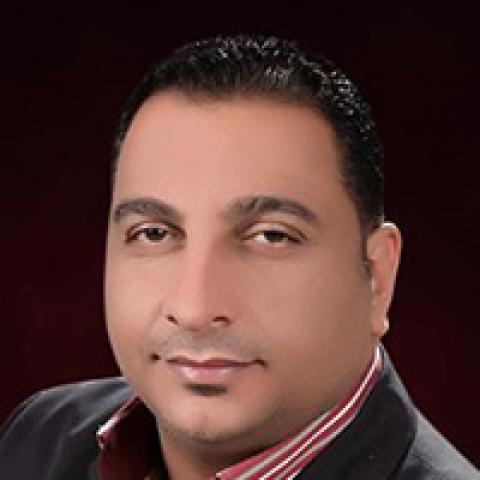

On Dec. 8, the body of Yasser Faisal al-Jumaili, an Iraqi photojournalist who was executed by al-Qaeda in Syria, arrived in Fallujah. Only one day before the arrival of the body, dozens of journalists in Sulaimaniyah staged a sit-in to protest against the assassination of journalist Kawa Ahmed Germyani in Kalar at the hands of gunmen.
Speaking to Al-Monitor, Ziad al-Ajaili, the head of the Journalistic Freedoms Observatory in Iraq, said: “No blood money is paid to the families of murdered journalists, who are killed on a daily basis. In Mosul alone, 50 journalists have been killed since 2003.” According to Ajaili, most journalists fled the city after a hit list containing their names was recently published.
According to international statistics, working as a journalist in Iraq is considered to be one of the most dangerous professions in the world. This is true not only because of the persistent threats they receive, but because the Iraqi authorities are unable to protect them in the first place and fail to reveal the identity of those responsible for these killings.
On May 3, on the occasion of World Press Day, the International Committee to Protect Journalists classified Iraq as the worst country in terms of detecting the identity of the journalists' killers, stating that the Iraqi authorities are not doing their job to save journalists.


