



Delay in Forming New Lebanon Government a Record
Lebanese Prime Minister-designate Tammam Salam is still unable to form a new government, leading to even greater uncertainty.
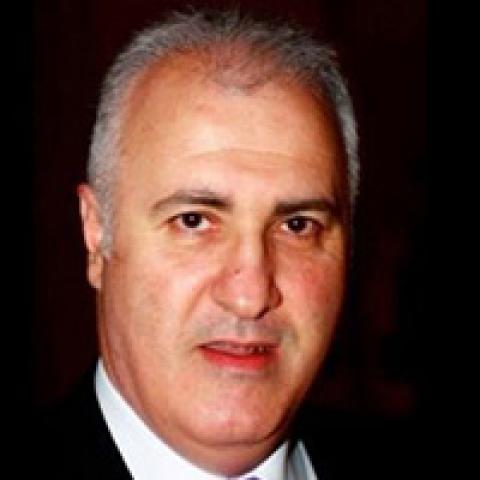

Political figures close to Lebanese Prime Minister-designate and Beirut MP Tammam Salam, who is in charge of forming a new government, confirmed that the next few days will witness serious attempts to accomplish this task, although there has been no tangible data on how this will be achieved.
In many ways, this issue is related to the pressure that has been placed on Salam. As it stands, the prime minister-designate holds a record in delaying the formation of a government, according to the records of Lebanon’s Second Republic, which was established based on the constitutional amendments passed in 1990.
For instance, it only took Fouad Siniora 45 days to form his second government following the election of Michel Suleiman as president of the republic on May 25, 2008. Following this, Saad Hariri took 135 days to form his first government after the parliamentary elections in July 2009. Najib Mikati needed more time, 140 days, to form his second government on June 13, 2011, after having been charged with this task on Jan. 25, 2011.
Salam was designated the task of forming his new government on April 6, 2013, making it more than five months that his government has not seen the light of day.


