



Sunday in the Persian Kitchen With Chef Najmieh Batmanglij
At a time of growing tension between the United States and Iran, Persian cuisine can be a bridge between cultures, writes Barbara Slavin.
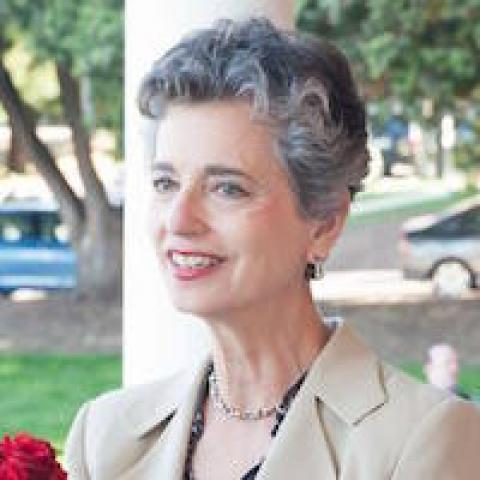

“Rose petals are my signature,” declares Najmieh Batmanglij as she instructs a young aide to garnish a tray of baklava with bits of dried flowers and ground pistachio nuts.
Batmanglij, the Julia Child of Persian cooking, is spending a rainy Easter Sunday in her capacious Georgetown kitchen teaching a dozen Americans the secrets of a cuisine that goes back 4,000 years and is one of the few things that binds Iranians inside and outside their native land.
The menu for this Sunday lunch during the season of Nowruz, or Persian New Year, is mouthwatering. It includes osh-e reshteh, a thick herb and bean soup with long noodles that “bring good luck for the new year,” Batmangli says. The class will also help her make sanbuseh — puff pastries filled with ground lamb, onions and garlic and dusted with confectioner’s sugar, ground pistachios and the cook’s beloved rose petals.
Also on the menu: chicken kebabs that have been marinated for three days before grilling and are served on a bed of flat lavash bread with tomato and cucumber salad, fresh basil and yogurt mixed with Persian shallots and garlic. This is followed by kuk-ye sabzi, a slow-cooked omelet filled with chopped green herbs that are also a symbol of Nowruz. The main course is pomegranate-infused leg of lamb roasted at low temperature for hours. It is served with baqala polow — basmati rice cooked in water flavored with turmeric, cinnamon, saffron, cardamom and rose water and mixed with fava beans and heaps of chopped fresh dill. The finale: Batmangli’s baklava and tea mixed with orange blossom water.


