



Is Fayyad’s Resignation A Wake-up Call for Israel?
The resignation of Palestinian Prime Minister Salam Fayyad plays into the hands of Hamas, jeopardizing the Palestinian Authority and the two-state solution, warns Akiva Eldar.
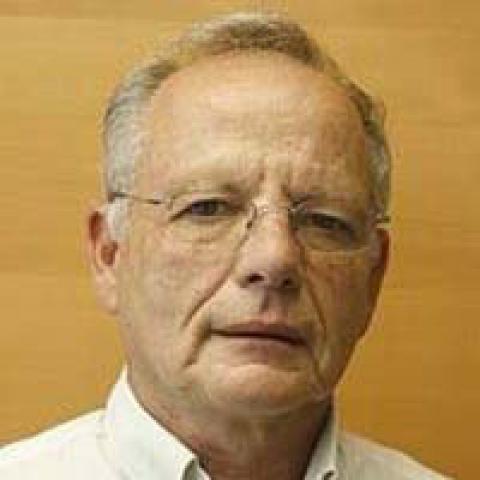

When I was informed of the resignation of Palestinian Prime Minister Salam Fayyad, I remembered what a senior official in the Israeli civil administration said to me a few years ago:
“You know what my biggest nightmare is?” the officer asked, and answered at once. “That one day I arrive for one of my regular coordination meetings with Fayyad and he hands me the keys to the Palestinian Authority, shakes my hand and goes home.”
What that means, explained the officer, is that the Israeli government will be forced to reimpose military rule over the West Bank, pay the salaries of the policemen, teachers, nurses, establish infrastructure and maintain order — all while the ground might be burning and there’s no chance of collecting taxes from the Palestinian population. According to estimates by Israel and foreign economists, the dismantling of the Palestinian Authority would cost Israel some NIS 14 billion per year [almost $4 billion]. That’s all Prime Minister Benjamin Netanyahu and his new finance minister, Yair Lapid, need at the moment.
True, Fayyad has not handed over the keys of the Palestinian Authority to the Israelis. He handed them to President Mahmoud Abbas (Abu Mazen), who continues to withstand the pressures exerted on him to dismantle the authority and to exchange the struggle for a two-state solution with a struggle for equal rights within one state from the Mediterranean to the Jordan River. Fayyad’s departure, however, brings to the top of the agenda a question that has been floating below the surface (and constitutes the nightmare of which the officer spoke): How long will the Palestinian Authority keep acting as the subcontractor for Israeli rule, of the settlement policy and the diplomatic status quo? How long will US, European or Japanese taxpayers agree to bear the load of the “Oslo process,” launched 20 years ago and now on the road to nowhere?


