



Arab League Summit Is About More Than Syria
The Arab League summit dealt not only with the controversial issue of seating the Syrian opposition, but also with Arab citizenship and civil society, writes Clovis Maksoud.

The outcome of the Arab League summit in Doha, Qatar, attracted international attention partly because of the formal recognition of the Syrian National Coalition (the opposition) as the “official” representative of Syria to the Arab League. The welcoming of Moaz Al-Khatib, the recently resigned president of the National Coalition, and the “prime minister,” Ghassan Hitto, sitting in Syria’s place, was a precedent that some Arab states such as Algeria, Iraq, and Sudan worried about. Lebanon, for its part, continued its policy of self-distancing. Another paradox was that Moaz Al-Khatib spoke as the leader of the opposition, but in fact, had resigned from his position as head of the National Coalition just days before. There were expectations that he would review his resignation if installed by the Arab League.
There is pressure for him to remain with the National Coalition — but he insisted that his resignation was still valid. This paradox might be resolved if the National Coalition refuses his resignation. If he insists, however, the paradox will remain. While the events in Syria constituted the major item at the summit, it must be noticed that the language of the resolutions recognized several other issues that were raised before but remained unaddressed.
First, a recommendation was put forth strongly advocating an official relationship with Arab civil society, and providing a mechanism for their input to the various councils of the Arab League. On my 82nd birthday in 2009, the Arab League invited representatives of civil society to its headquarters, and a full-day seminar was conducted on the role of civil society. Then-Secretary General Amr Moussa and former UN Secretary General Boutros Boutros Ghali addressed the meeting. That occasion was perhaps the first time non-governmental organizations were present in a serious discussion about their role. The League of Arab States, despite its many flaws, remains the framework, which asserts the Arab identity of its member states, including the newly recognized Palestinian State. Second, an important resolution was adopted during the summit defining Arab citizenship irrespective of ethnic, religious or sectarian divides. It is hoped that this crucial definition would be seriously implemented, especially where ethnic, religious and sectarian divides have led to contention, divisiveness, and civil wars such as in Iraq, Syria, Lebanon, and other states of the Arab league. A common Arab identity of citizens of Arab states is a leap, although it remains to be seen if it would be seriously implemented. At this moment, I can only welcome these recommendations, which are a significant and positive step and are actionable in legal and constitutional terms of the Arab states. While the Syrian issue has taken center stage, it is crucial that these above recommendations be taken seriously as well.
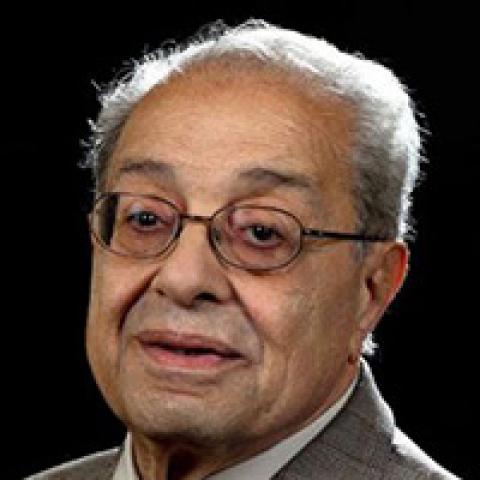
Clovis Maksoud is a former ambassador and permanent observer of the League of Arab States at the United Nations and its chief representative in the United States for more than 10 years.


