



Turkey navigates Gulf rivalries while Kurdish peace efforts resurface
Turkey hosts a flurry of regional diplomacy while fresh debate over Abdullah Ocalan’s future exposes new tensions in the Kurdish peace process.
Greetings from Ankara.
Welcome to AL-MONITOR Turkey, where we wrap up the leading stories of the week. This edition looks at Turkey’s busy diplomatic week, Ankara’s balancing act between Saudi Arabia and the United Arab Emirates, and the latest twist in the Kurdish peace process.
I wish you a belated happy Ederlezi, a traditional Balkan festival marking the return of spring celebrated on May 6th. 🧞
Ezgi (Follow me on X: @ezgi_akin)
What topics would you like to read more about in this newsletter? Please share your suggestions with me at eakin@al-monitor.com.

Leading this week
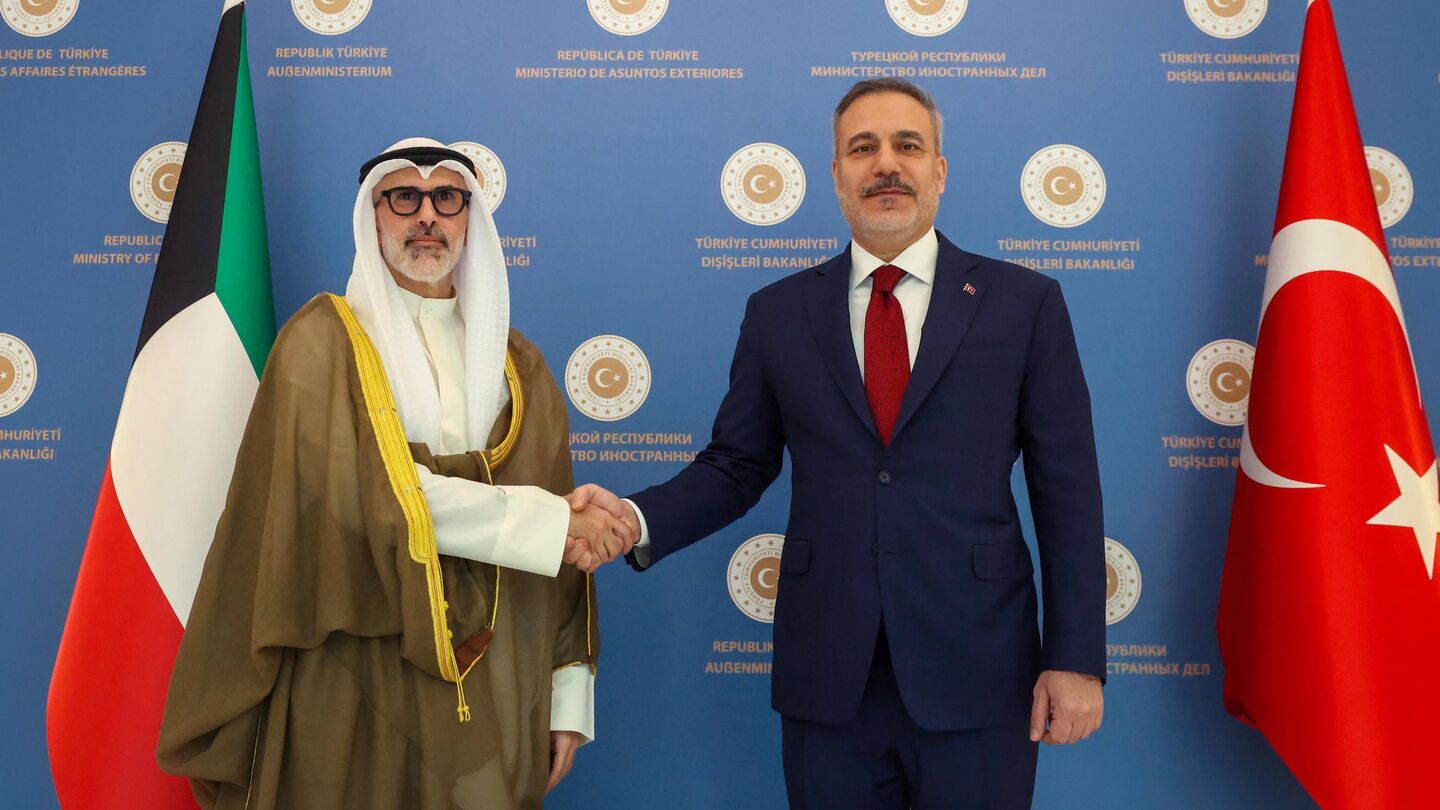
Turkish Foreign Minister Hakan Fidan (R) shakes hands with Kuwaiti Foreign Minister Jarrah Jaber Al-Ahmad Al-Sabah (L) in Ankara on May 4, 2026. — Turkish Foreign Ministry
On the foreign policy front, Turkey hosted an unusually dense lineup of regional visitors this week, starting with Kuwaiti Foreign Minister Jarrah Jaber Al-Ahmad Al-Sabah, who met with Turkish Foreign Minister Hakan Fidan in Ankara on Monday for talks focused on the Iran conflict, disruptions in the Strait of Hormuz and bilateral ties.
Fidan’s next guest on Wednesday was Saudi Foreign Minister Prince Faisal bin Farhan, who traveled to Ankara to attend the third meeting of the Turkish-Saudi Coordination Council on deepening the two countries' cooperation in fields including defense, energy and finance.
Ankara’s diplomatic traffic showed no sign of abating on Thursday, as Turkish President Recep Tayyip Erdogan and Algerian President Abdelmadjid Tebboune oversaw a raft of cooperation agreements spanning finance, agriculture, transportation, telecommunications, disaster management and media.
Notably, all three visitors came from countries whose relations with the United Arab Emirates are under varying degrees of strain, though each for different reasons.
The UAE’s withdrawal from OPEC and related energy forums last week fueled speculation of a widening rift with Saudi Arabia, adding to existing competition over oil policy, and disagreements over Yemen and Sudan. Kuwait remains fully aligned with Riyadh on the OPEC+ bloc. Algeria-UAE tensions, meanwhile, escalated earlier this year, when Algiers moved in February to cancel an air services agreement with Abu Dhabi amid allegations that the UAE was interfering in its domestic affairs.
Hence, the lineup could suggest Turkey's alignment toward a bloc that has grievances with the UAE bloc. A surprise visit by UAE Vice President Sheikh Mansour bin Zayed Al Nahyan to Istanbul, however, shows Ankara is maintaining its balancing act between its expanding security ties with Saudi Arabia and its deep economic relationship with the UAE.
On the home front, Devlet Bahceli, Erdogan’s top political ally and leader of the Nationalist Movement Party, called on Tuesday for a formal status for jailed Kurdistan Workers Party (PKK) leader Abdullah Ocalan.
The PKK, which is considered a terrorist organization by Turkey, the United States and the European Union, has fought for Kurdish self-rule within the country since 1984. However, the militant group announced its plans to disarm as part of nearly two years of talks between Ocalan and the Turkish government, pending legislative reforms to secure the release of jailed Kurdish politicians and activists as well as legal protections for its fighters.
Calling for swift political and legal reforms to address Kurdish demands, Bahceli said, “Our hope is that [Ocalan] serves under a defined role,” as he proposed granting the militant leader the title of “Coordinator for the Peace Process and Politicization.”
While the nationalist leader did not offer further details on his proposal, his latest overture to Ocalan — whom he once described as a “baby killer” — comes amid growing Kurdish frustration with the PKK and its jailed leader. Some Kurdish voices have accused Ocalan and the PKK of betraying Kurdish interests after major setbacks in Turkey and northeast Syria.
Don’t miss Amberin Zaman and Kurdish affairs analyst Aliza Marcus, two of the sharpest voices on the Kurdish question, as they unpack where Turkey’s peace process stands and what the latest setbacks mean for Kurds in Syria.
Amberin also hosted former US Ambassador to Riyadh Michael Ratney to discuss why Saudi Arabia, despite its deep hostility toward Iran’s regime, wanted to avoid war as the conflict takes a mounting toll on the kingdom and exposes widening fissures with the United Arab Emirates.

What else we're reading
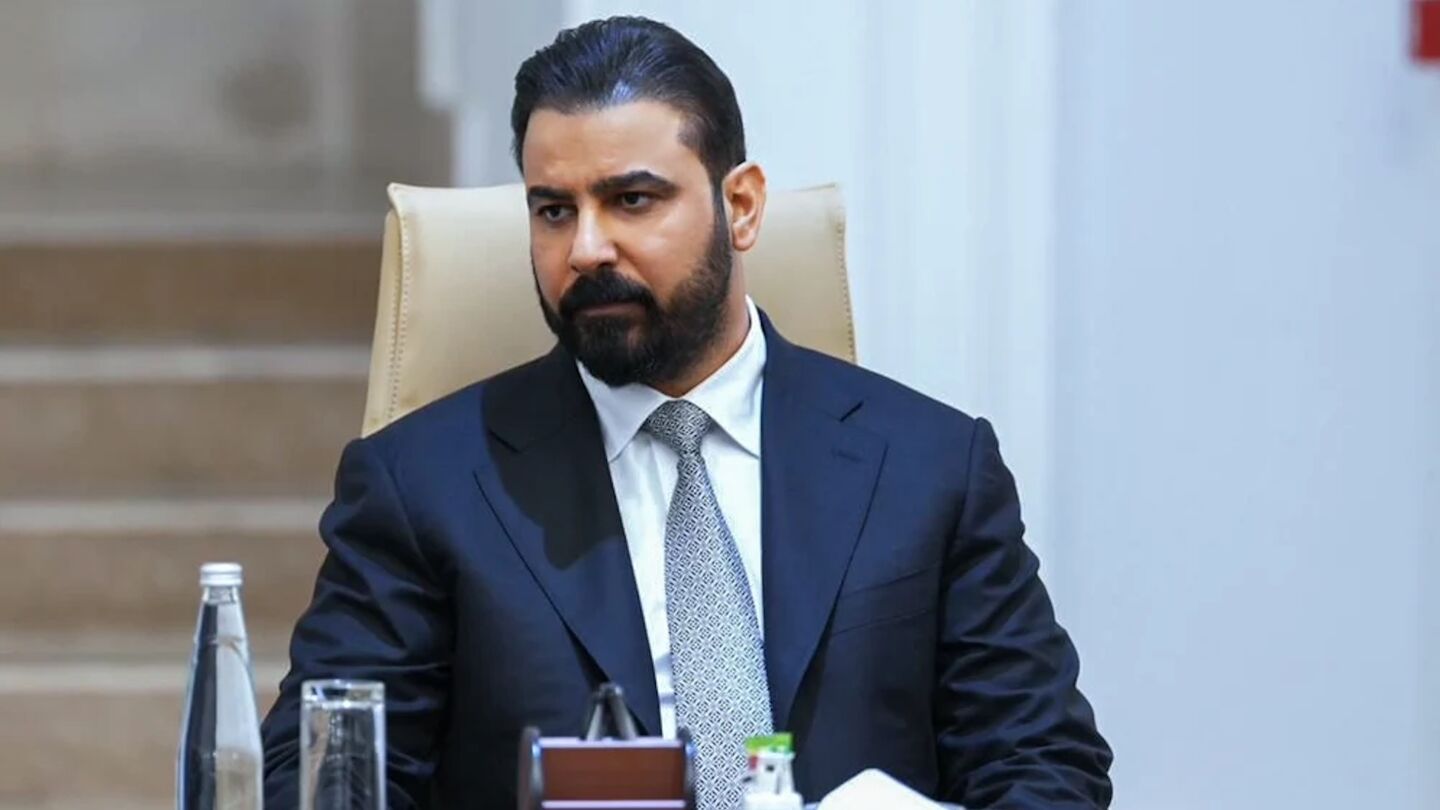
Iraqi Prime Minister-designate Ali al-Zaidi is pictured in Baghdad on April 27, 2026. — Iraqi Presidency Office
Barin Kayaoglu zooms in on the prospect of Turkey-Iraq ties under Iraqi Prime Minister-designate Ali al-Zaidi.
Don’t miss Nazlan Ertan’s weekly Al-Monitor Istanbul newsletter, which this week spotlights an EU-backed dual digital exhibition at Ankara’s CerModern, where Ecem Dilan Kose’s “Becoming Matter” and Bilkent University’s “Residue” explore nature, technology, data and transformation.
This one's on us.
The story doesn't end here.
Our correspondents are already on the next chapter. Read everything they file, from $2/week.
See Offers