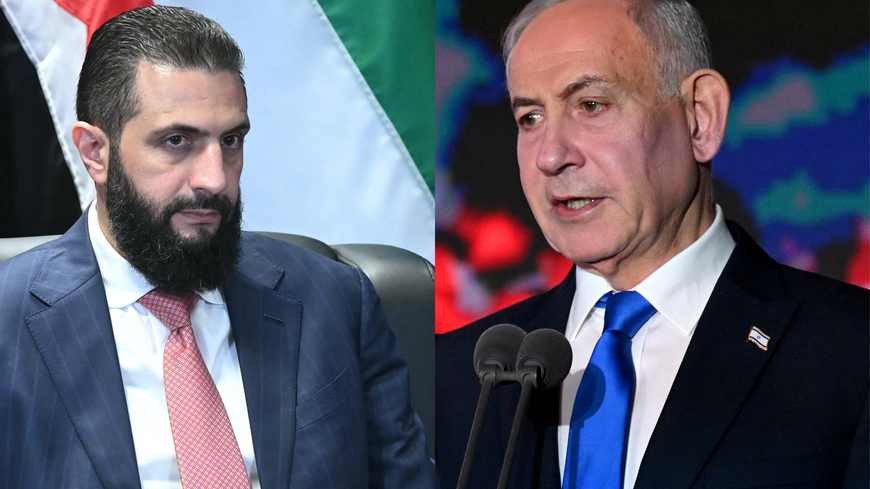


Newsletter: Daily Briefing Netanyahu says he spoke with Syria’s Sharaa Saudi Arabia's international events derailed by war; Syria arrests ex-Assad militia head also wanted by Turkey; and more. By Beatrice Farhat In Beirut, reporting on regional news, culture, conflict
Syria to rejoin Arab group at IMF, leaving Russian-led constituency Syria will rejoin the Arab constituency at the International Monetary Fund beginning Nov. 1 and has applied for membership in the EBRD. Syria
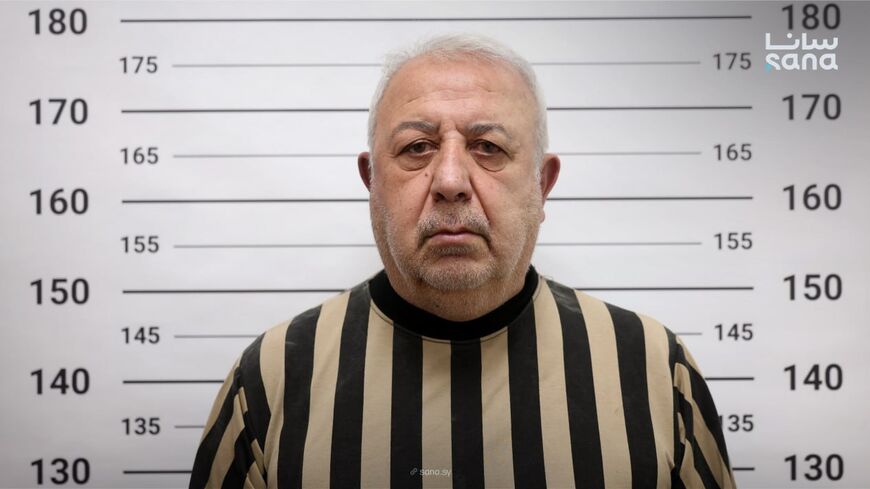
Explainer Syria arrests Mihrac Ural, ex-Assad militia head also wanted by Turkey The Turkey-born militia chief and a longtime ally of the Assad-regime, was sought by Ankara over the deadly Reyhanli bombings and by Damascus over his alleged role in massacres on the Mediterranean coast. Turkey
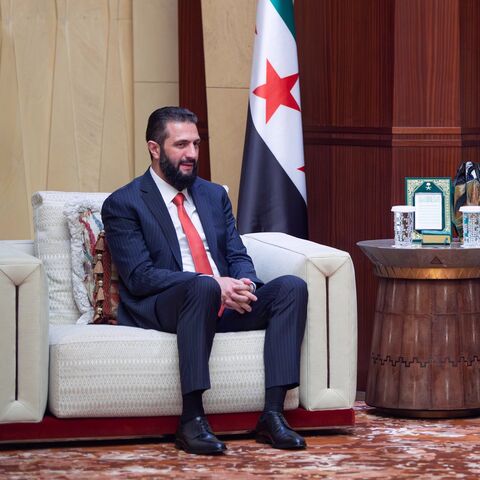
In first, Israel’s Netanyahu says he held call with Syria’s Ahmed al-Sharaa It is the first publicly disclosed contact between the leaders of Israel and Syria, which lack formal relations and have fought several wars. Sharaa’s government began US-mediated talks with Israel in 2025. Syria
Analysis Why Syria and Iraq are taking different approaches to armed groups By Shelly Kittleson In Baghdad, reporting on Iraqi politics
Analysis Why Syria sending troops to Yemen would be a risky bet for Sharaa By Amberin Zaman Reporting on geopolitics, minorities, human rights, culture
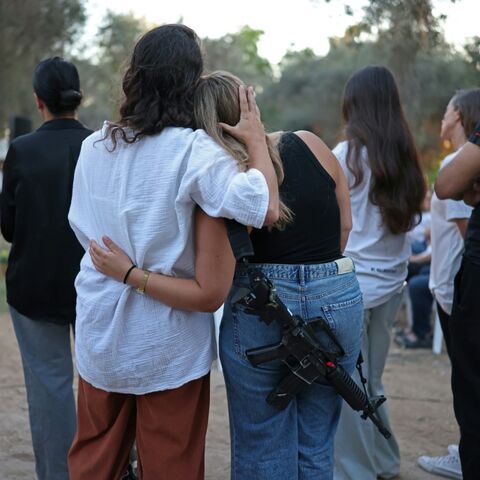
Newsletter: Daily Briefing Israel's Oct. 7 accountability debate By Ezgi Akin In Ankara, reporting on diplomacy, EU-Turkey ties, NATO
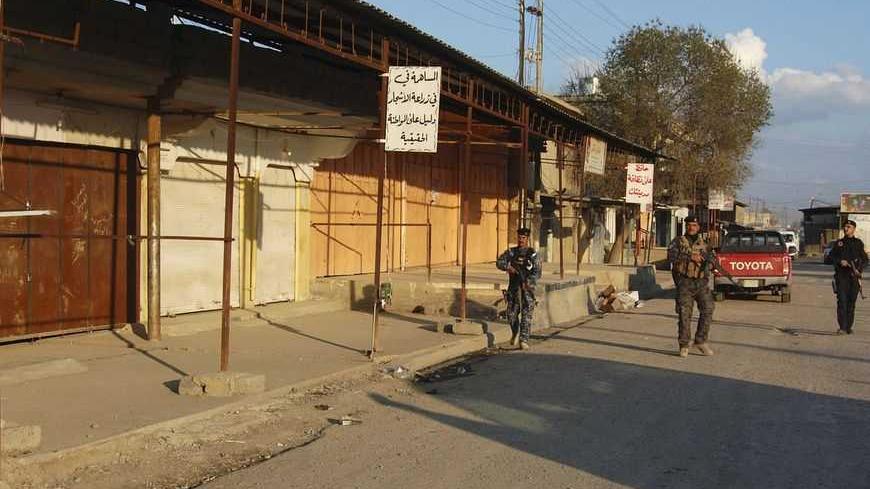
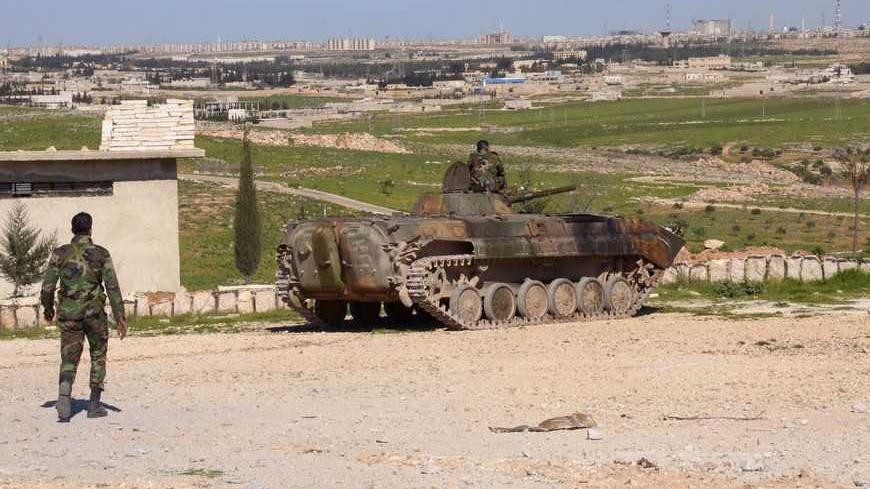
The Iraqi and Turkish Fault Lines The Syria war spreads to Iraq; Turkey is increasingly divided over Prime Minister Erdogan’s Syrian policies; and Secretary of State John Kerry’s trip to the region includes progress toward a political solution in Syria. Iraq
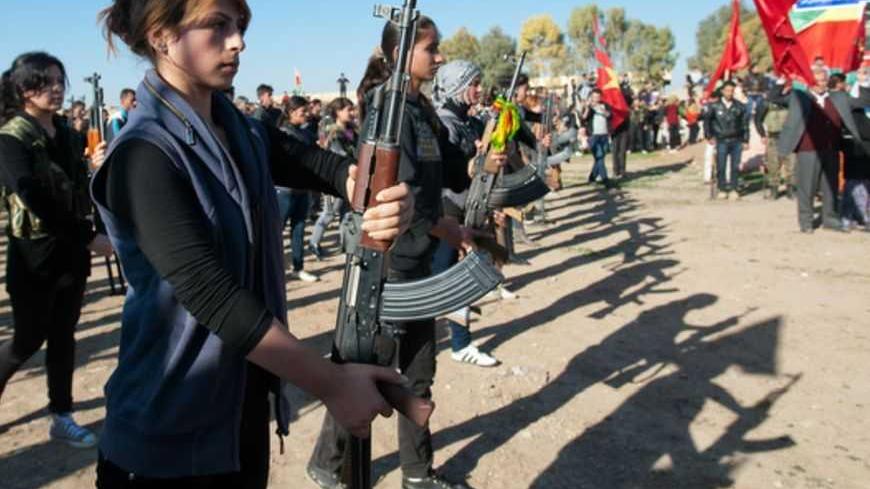
Rival Kurdish Parties Clash in Syria Fighting between rival Kurdish groups in Syria adds further uncertainty to the war in Syria, writes Wladimir van Wilgenburg. Syria
Jabhat al-Nusra and Hezbollah In First Confrontation For the first time in the 23-month-old Syrian civil war, Jabhat al-Nusra and Hezbollah have been involved in direct confrontations, writes Jean Aziz. Lebanon
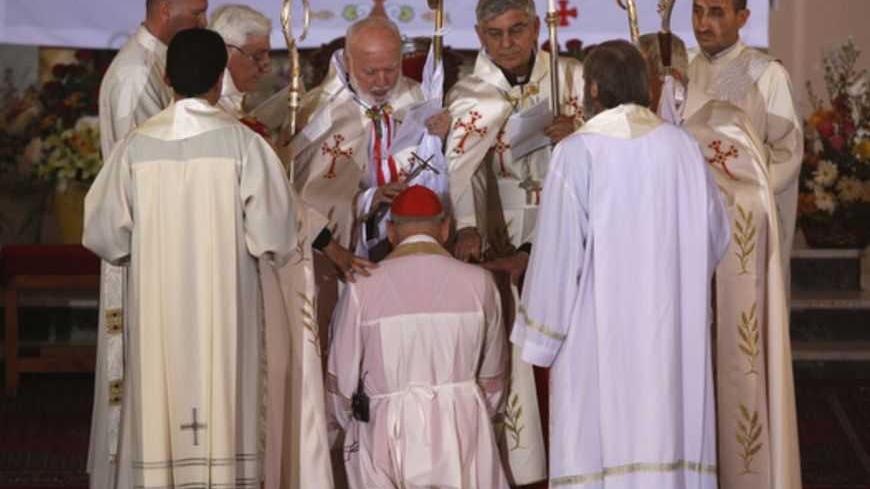
Fear of Islamic Extremism Brings Eastern Churches Closer There are growing links between the various churches of Eastern Christianity, driven by what they see as the threats to Christianity in the Middle East as a result of the Arab Spring, writes Nasser Chararah. Lebanon
Syrian Kurdish Militia Takes Over Oil Fields Syrian Kurdish groups have seized control of several key oil fields, provoking concerns among the Syrian opposition and Turkey about the coming division of Syria, writes Wladimir van Wilgenburg. Syria
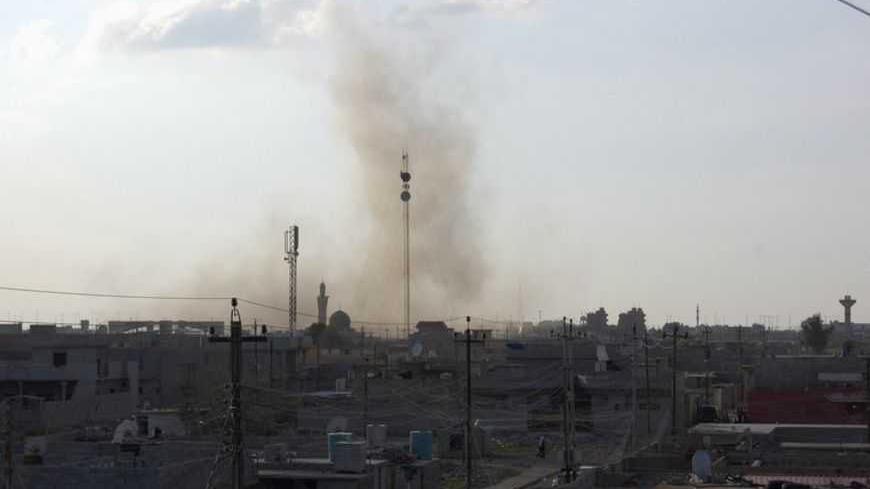
Iraq's Border Becomes New Fault Line in Syrian War An ambush on the Iraq-Syria border that killed 62 Syrian soldiers and nine Iraqi guards has brought the Syrian civil war to Iraq, writes Mushreq Abbas. Iraq
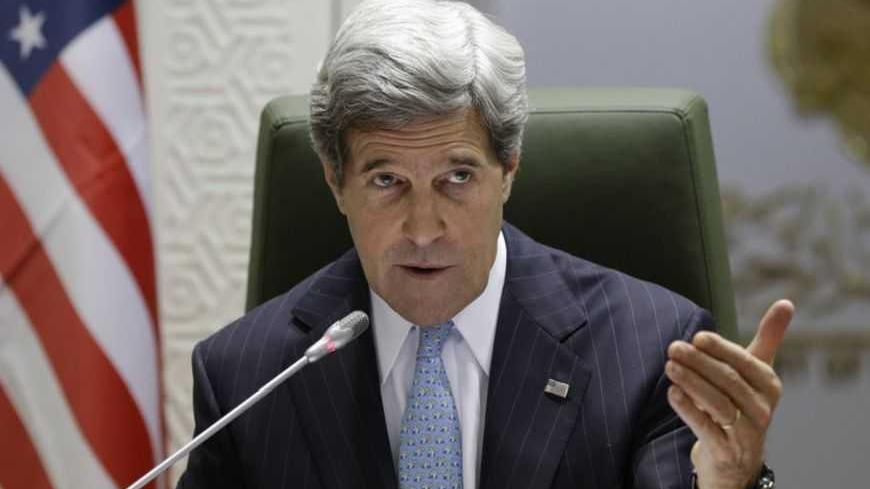
John Kerry's Syria File Secretary of State John Kerry, a veteran and critic of the Vietnam war, is now himself a decision maker regarding U.S. policy toward the civil war in Syria, writes Geoffrey Aronson. Syria
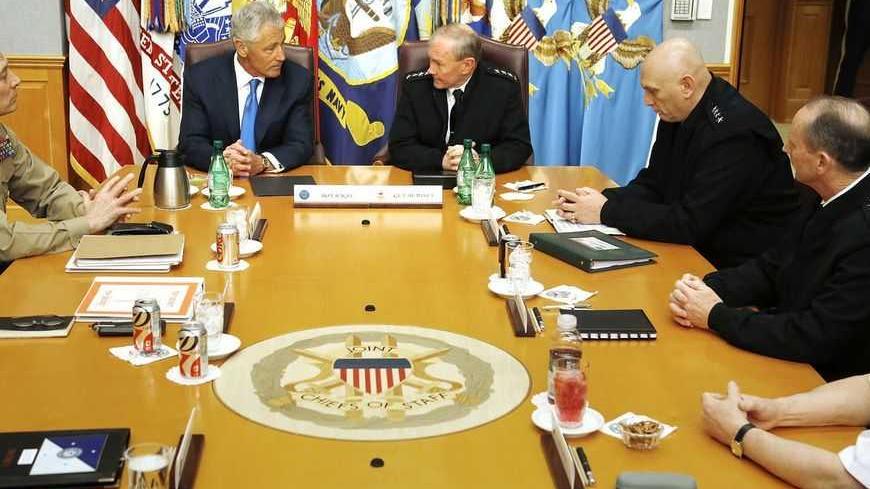
Hagel, Syria, the P5+1 and Iran The Senate confirmed Chuck Hagel as secretary of defense as the United States announced $60 million in non-lethal aid to the Syrian Opposition Council; Israel, Iraq and Lebanon continue to be concerned about the regionalization of the war in Syria; and Iran puts Syria in play after the P5+1 meetings. Iraq
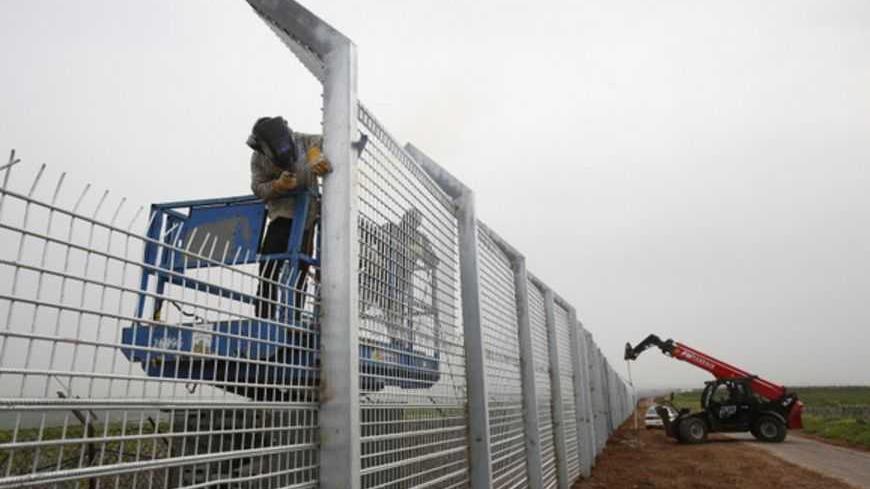
Israel Anticipates 'Somalization' Of Syria Israel’s quietest border in decades may become rife with terrorism were the Assad regime to fall, argues Ben Caspit. Israel
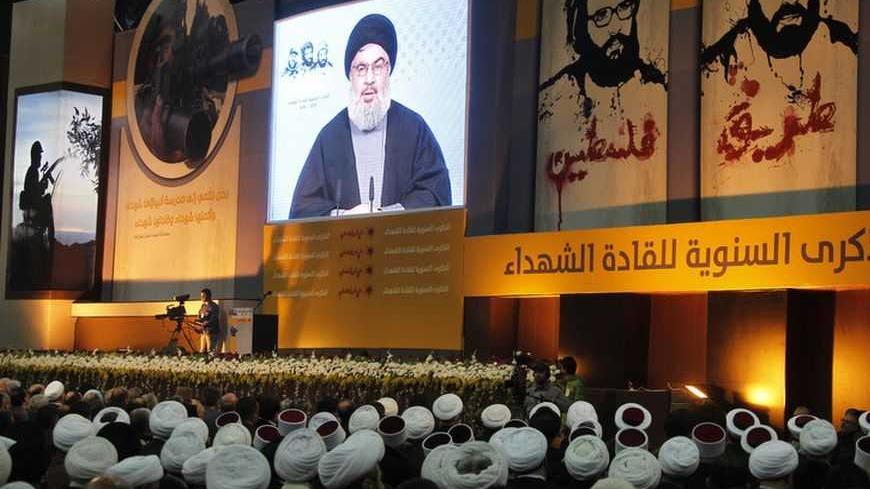
Beirut on Edge After Nasrallah Speech The speech by Hezbollah Secretary-General Hassan Nasrallah on Feb. 26 holds many similarities to his speech on May 6, 2008, writes Jean Aziz. Lebanon
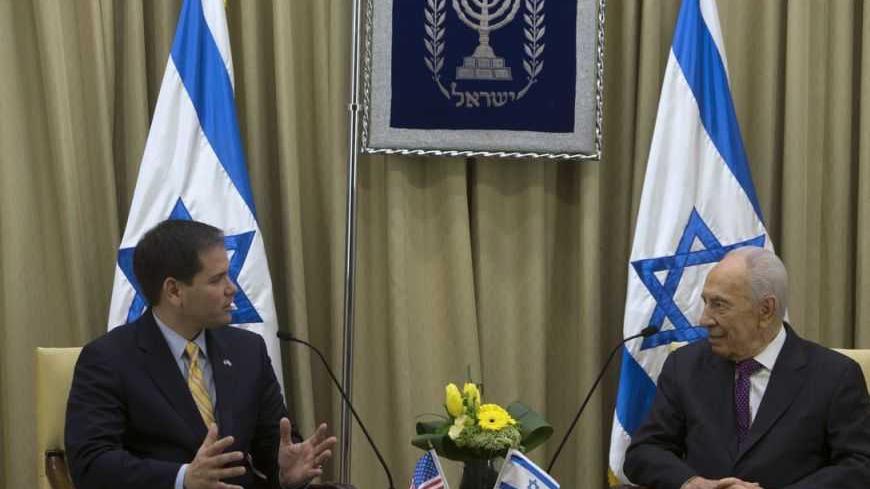
Rubio Says US Should Give Ammunition to Syrian Rebels Sen. Marco Rubio, a possible candidate for president in 2016, urged more U.S. support for Syrian rebels and cast doubt on the likelihood of success of negotiations with Iran. Palestine
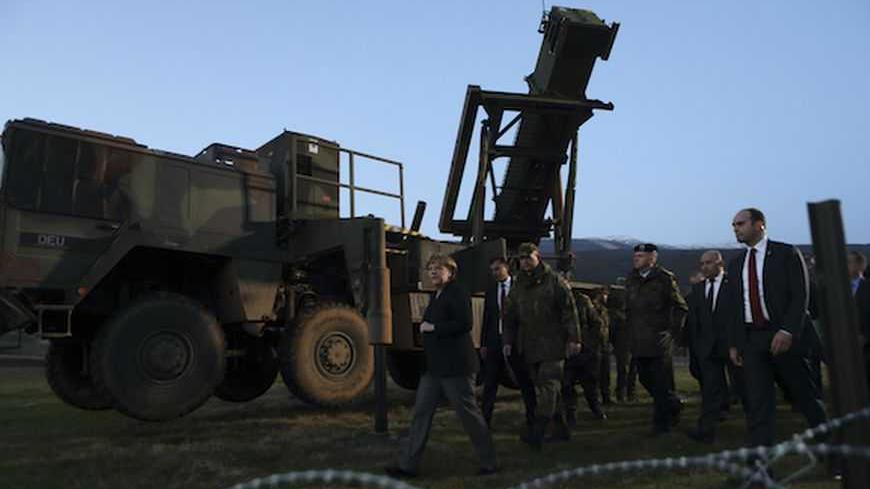
The Coming Unknown For NATO’s Policy on Syria Jean-Loup Samaan writes that NATO’s role in Syria is likely to remain limited, and that preserving the infrastructure of the country is essential to prevent a collapse of state authority. Syria