Putin offers to help end Iran war, but can Russia deliver?
As Washington and Tehran weigh their next moves, Moscow is seeking a diplomatic foothold in a war where influence may prove harder to convert into concrete results.


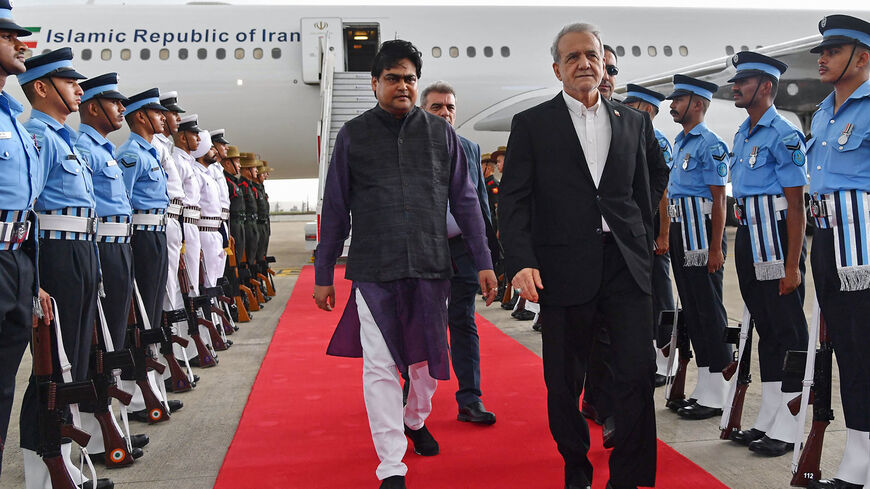
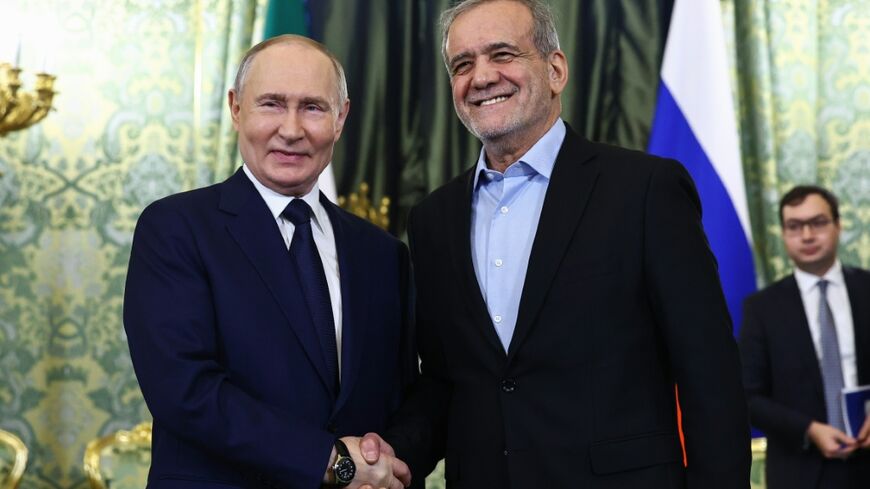
TEHRAN – Russian President Vladimir Putin's pledge to do everything possible to help end the war in Iran offers Moscow an opportunity to present itself as a diplomatic intermediary. But his meeting with President Masoud Pezeshkian of Iran in Turkmenistan Thursday raises central questions revolving around Russia's ability to use its relationship with Tehran to influence the conflict's course.
Speaking on the sidelines of the Commonwealth of Independent States summit, Putin said Russia was ready to do "everything" it could to help resolve the conflict diplomatically. According to Russian media, he also said Iran was making "real efforts" to end the conflict, arguing that the outbreak of the war was not a "fault" of Iran.
Pezeshkian reiterated Tehran's willingness to negotiate with Washington, saying "we will not walk away from the negotiating table," according to Iranian state-run IRNA news agency.
The exchange illustrates both Russia's potential and its limitations. Moscow has easier access to Iran's leadership and maintains diplomatic relationships across the Middle East. It can relay proposals, clarify Tehran's positions and potentially help shape an agreement. But those assets do not automatically give it the power to persuade Washington to change its demands or restrain Israel.