Russia’s double game in Yemen: Backing Saudi Arabia while courting Houthis
Despite public ties to Riyadh, Moscow allegedly aided Houthi Red Sea strikes via Iran to pressure the West beyond Ukraine.


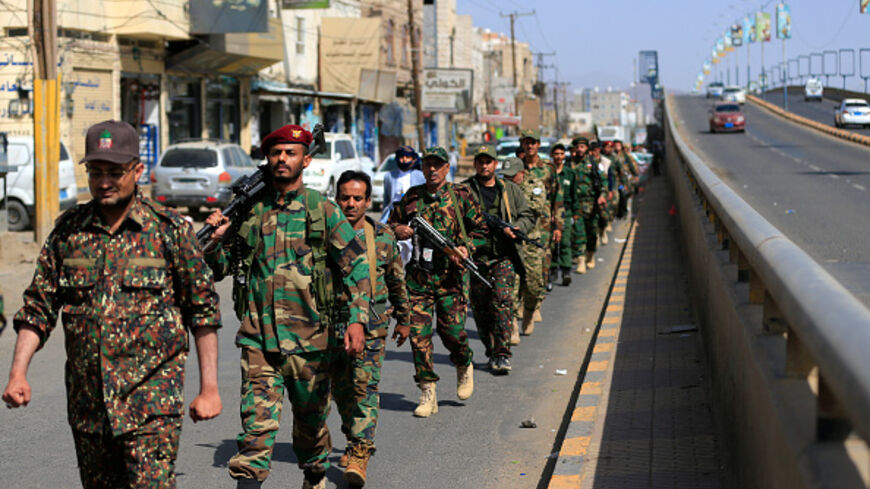
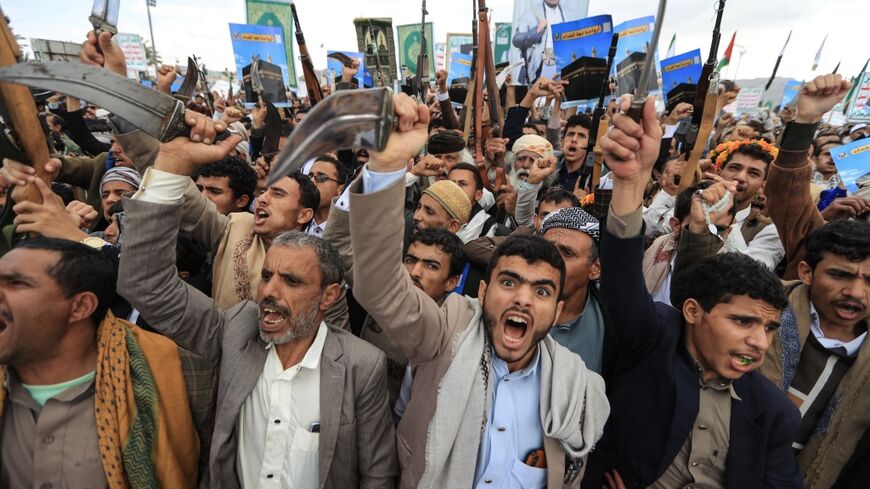
MOSCOW — The Russian government is employing a double-game approach to the renewed Yemen’s war: officially backing the internationally recognized, Saudi-supported Presidential Leadership Council (PLC) while simultaneously cultivating ties with the Houthis.
The approach allows Russia to preserve relations with Yemen’s recognized government while expanding its influence with the Houthis and positioning itself to benefit strategically from regional instability and its impact on global energy markets.
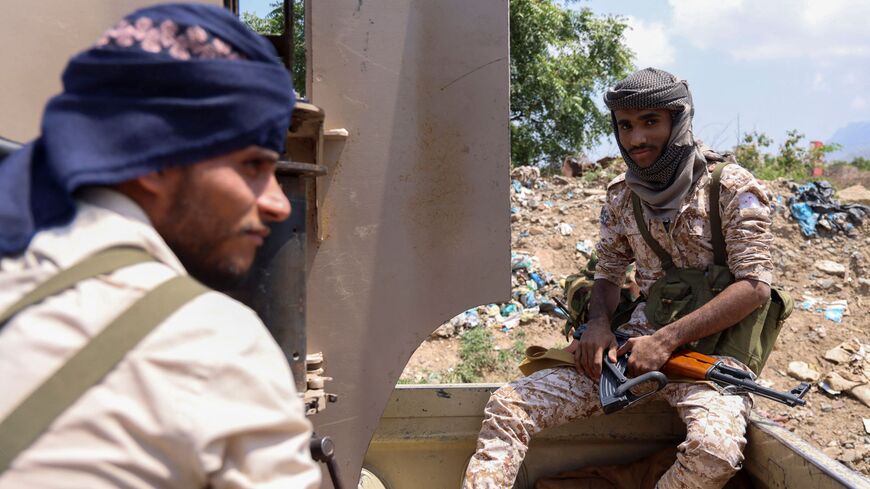
Even as reports swirl about possible Russian support for the Houthis, allegedly channeled through Iran, the Kremlin’s public diplomatic posture has remained markedly supportive of Saudi Arabia as the Iran-backed group has attacked the kingdom and advanced in the Red Sea region.
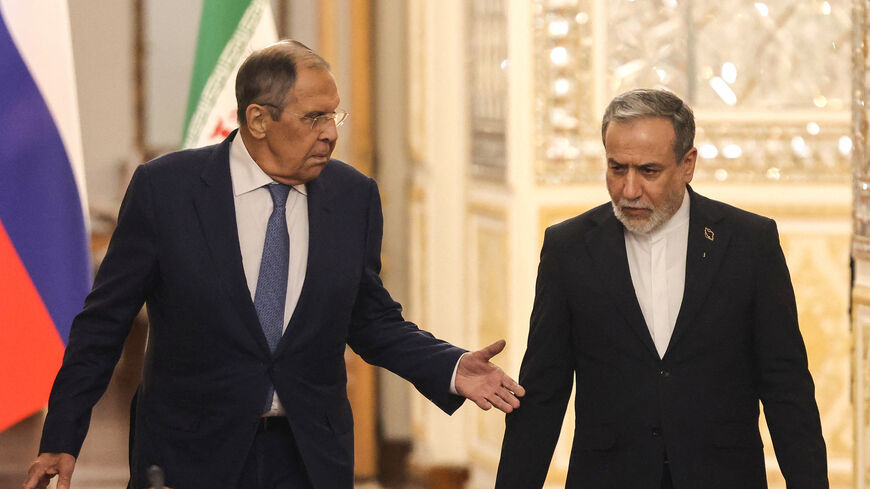
Russian Foreign Minister Sergey Lavrov underscored that position on Sept. 8, during a visit to Moscow by Saudi Foreign Minister Faisal bin Farhan. Lavrov described Houthi attacks on civilian targets in Saudi Arabia as “unacceptable” and “counterproductive.”
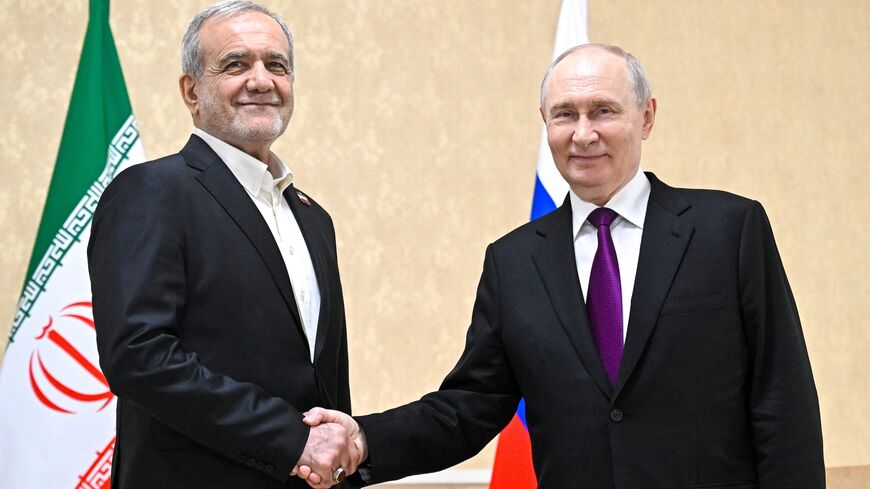
On Sept. 22, Russian President Vladimir Putin held a phone call with Saudi Crown Prince Mohammed bin Salman, during which both sides emphasized the need for freedom of navigation through the Bab el-Mandeb Strait and the Strait of Hormuz and for creating conditions to launch a constructive intra-Yemeni dialogue under UN auspices. And on Sept. 25, Lavrov wrapped up a string of meetings on the sidelines of the UN General Assembly in New York by holding talks with Abdullah al-Alimi Bawazir, a vice chair of Yemen’s Saudi-backed PLC, with the talks focused on the importance of bringing the conflict’s parties closer together.