



Reviving Kurdish language in northern Syria
The self-administration in northern Syria is teaching the Kurdish language in a bid to revive it among the local population after decades of marginalization.
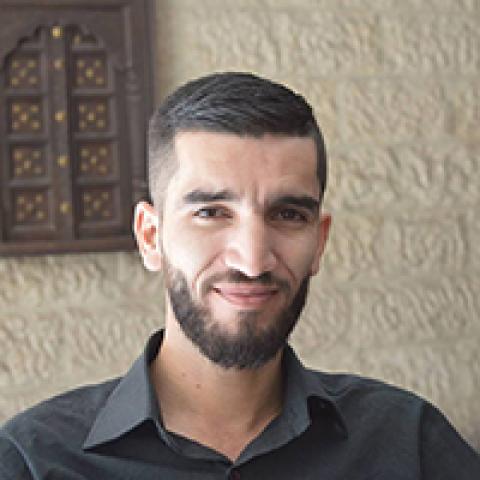

AMMAN, Jordan — The Syrian state has exercised “systematic policies at the highest official, political and security levels to annihilate the Kurdish language in Syria,” according to Kurdish writer and poet Omar Rasoul.
Rasoul told Al-Monitor that over the past decades, the Kurdish language was marginalized and banned in Syria. Anyone who had a Kurdish book or who attempted to spread the Kurdish culture by any means was arrested in compliance with a government decree issued in 1989 that banned the official use of the Kurdish language in Syria.
Today, the Kurds in Syria are trying to restore and spread their mother tongue in all spheres of life in order to have it witness an unprecedented renaissance within educational and official institutions.
As the 2011 popular protests in Syria were militarized and aimed at seizing power, the Kurds, led by the Democratic Union Party, formed in November 2013 a “self-administration” authority to govern their regions. They began to open institutions mainly aimed at teaching and adopting the Kurdish language as an official language, along with Arabic and Syriac, as per Article 9 of the Charter of the Social Contract — the self-administration's preliminary constitution.


