



World-famous Turkish pianist blocked from Ankara orchestra
Internationally renowned Turkish pianist Fazil Say faces an embargo in his own country as the government continues its censorship in the arts.
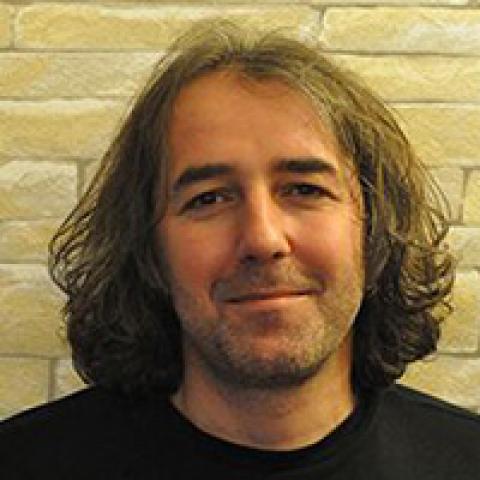

“Japan is one of [pianist] Fazil Say’s favorite countries. He flew there two weeks ago to give eight concerts. Tomorrow, he is scheduled to go to China and then to St. Petersburg and Zurich. Yet the people of Ankara can no longer enjoy his works, for the city’s most prestigious orchestra has removed Say from its program,” Radikal columnist Cem Erciyes wrote Oct. 21, reporting on the latest case of state censorship of the arts in Turkey.
Say, the internationally renowned pianist and composer, has often drawn the ire of the Justice and Development Party government, landing right on the fault line of Turkey’s political and social divide. And when this polarization spawns censorship and embargoes on the artistic community, the outcry is inevitably loud.
What happened, exactly? The Culture and Tourism Ministry removed Say’s works from the Presidential Symphonic Orchestra’s 2014-2015 program. The orchestra used to perform Say’s “Istanbul Symphony,” “Water Piano Concerto” and “Hermiyas: the Boy on the Dolphin.” According to news reports, the ministry verbally warned the orchestra management that it would not approve its program unless it dropped Say’s compositions. The demand was met before the season’s opening concert and the minister approved the program.
The move sparked protests from the artistic community. Say himself sounded both resentful and worried. “Over the past several months, I was robbed of my 14-year Antalya Piano Festival, and my annual concerts with the Borusan Orchestra were cancelled for some bizarre reason [which meant] an embargo on their part. Now the ministry has done the same,” Say told Radikal. “I present my work all over the world, but I’ve become unable to present it in my own country. What’s the purpose here?” Over Twitter, he asked, “On what grounds were my works removed from the orchestra’s program?”


