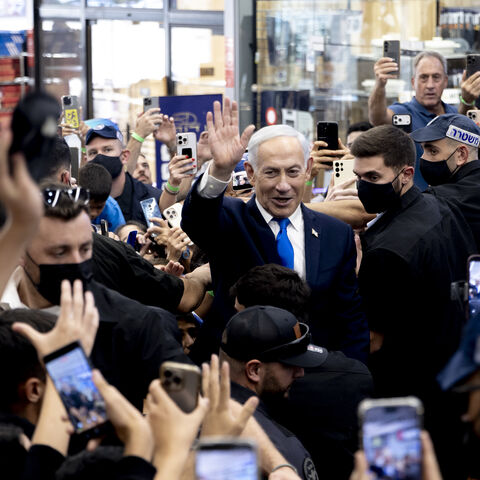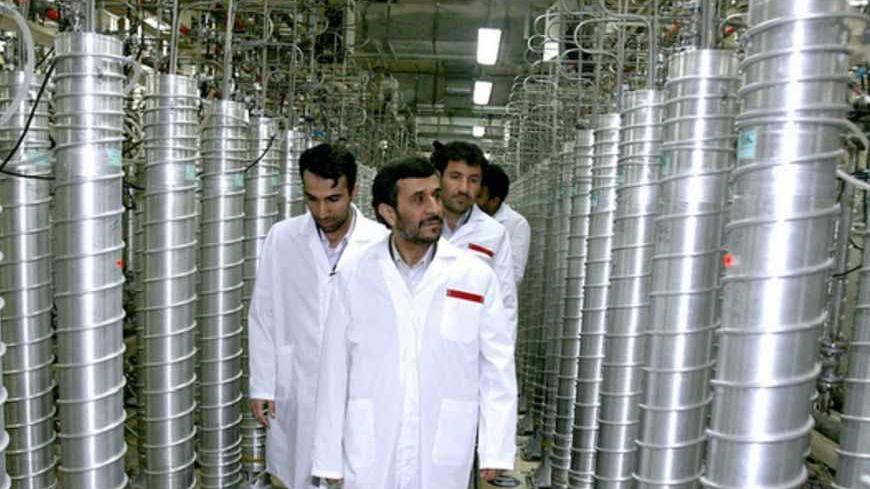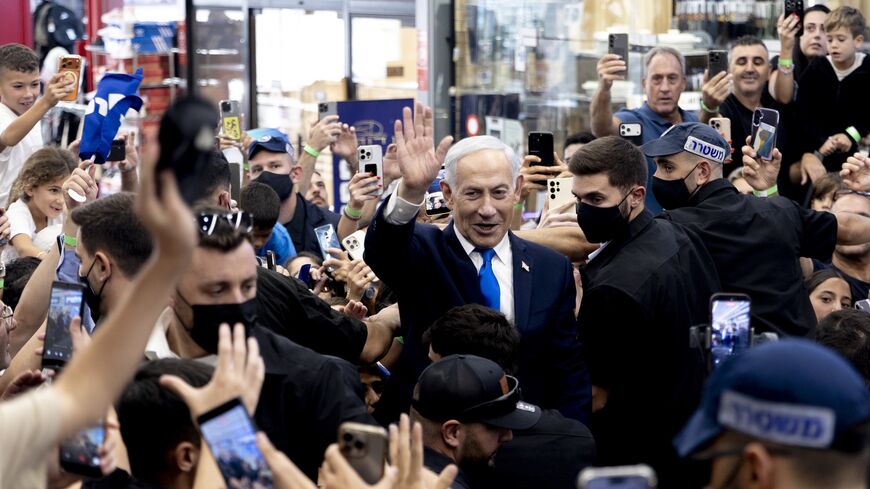

Analysis How Netanyahu could attack Iran to force Israel into unity government after elections While a strike against Iran before the Oct. 27 elections appears unlikely, Prime Minister Benjamin Netanyahu could launch one immediately afterward to pressure his rivals into joining a wartime unity government. By Ben Caspit In Tel Aviv, reporting on national security, Israeli politics, defense
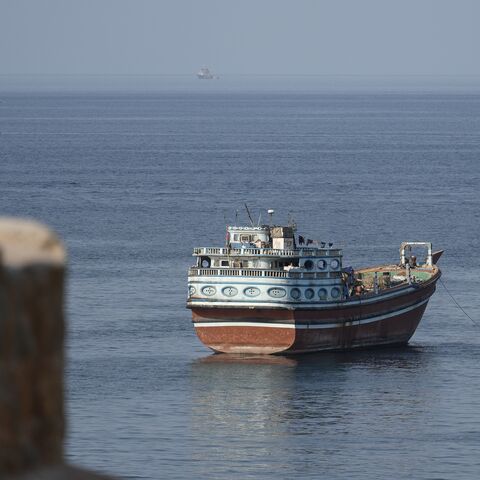
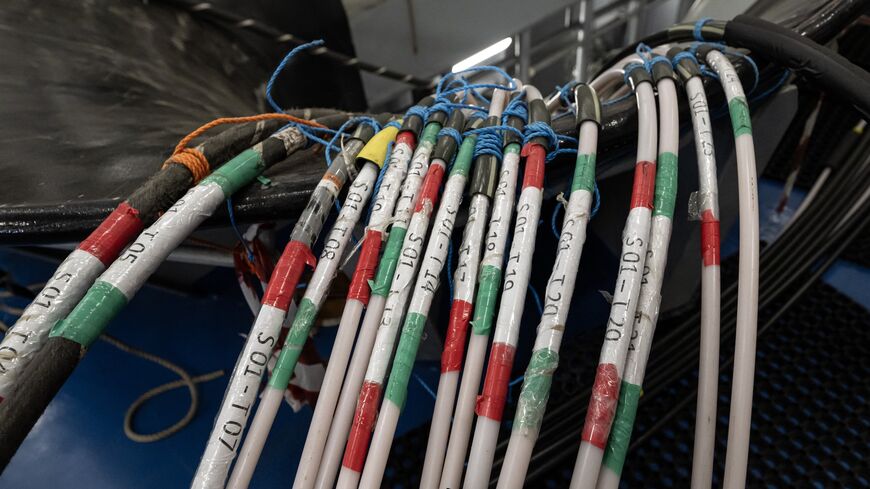
Explainer What Iran’s threats to Hormuz internet cables mean for Gulf Iran's Islamic Revolutionary Guard Corps has threatened to cut crucial internet and communications routes in the region if US aggression escalates. Iran
Newsletter: Business & Tech Saudi economic ambitions under strain Saudi Arabia postponed its flagship investment conference, known as “Davos in the Desert,” on Monday as Yemen’s Iran-backed Houthi rebels continued attacks on the kingdom. By Jack Dutton In Bristol, reporting on regional business, climate change, AI, tech
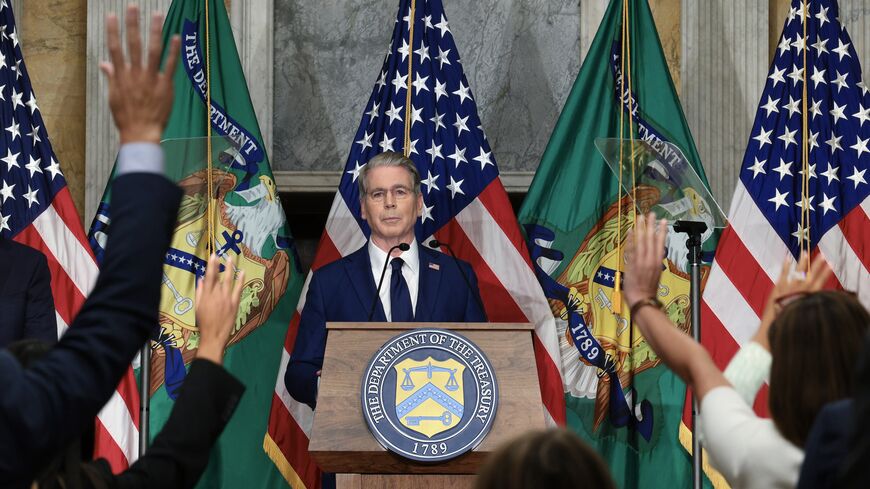
US sanctions law firm based in Panama, Greece over Iran shipping ties The Treasury Department accused Karnakis and Karnakis of registering shipping companies linked to Iran's so-called shadow fleet. Iran
Newsletter: Daily Briefing Divided Israeli opposition boosts Netanyahu By Gabrielle Debinski In New York City, reporting on the Middle East
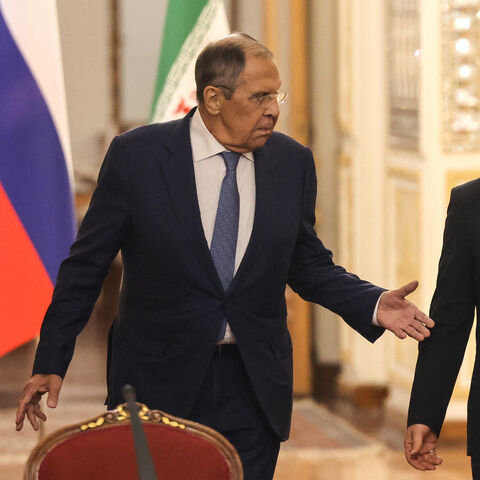
Analysis How Lavrov's Tehran visit tests limits of Russia's influence over Iran By A correspondent in Tehran In Tehran, reporting on politics
Iran, Israel Need to Talk About Syria Meir Javedanfar writes that Iran, Hezbollah and Israel share a common and deadly enemy in Jabhat al-Nusra and radical Salafist groups, whose influence is growing. Israel
Iraq's Sunni-Shiite DivideAbout Governance Iraq needs a political solution that recognizes the grievances of Iraq's Sunni populations and regions, Harith Hasan writes. Iraq
US Complicates Turkey’s Energy Interests in Iraq, Iran US sanctions on Iran and its disapproval of energy investments in the Kurdistan Region of Iraq have complicated Turkey’s energy policies, writes Olgu Okumus. Iraq
Do the US, Iran Agree on Red Line For Syrian Chemical Weapons? The US and Israel escalate the war in Syria; Russia, Iran, Hezbollah, Khaled Meshaal; and Al-Monitor launches Iran Pulse. Israel
Iran's Qom: Mystery and Surprise At the Hawza Life in the seminary at Qom, which has produced numerous prominent reformist thinkers, remains mysterious but reveals surprises, writes Ali Mamouri. Iran
Saudi Arabia Clamps Down On Dissent Haytham Mouzahem asks whether recent Saudi actions are tied to efforts to quell sectarian dissent and contain any spillover from either the Shiite-based uprising in Bahrain or the Syrian crisis. Saudi Arabia
Sanctions May Scuttle Compromise Between Iran and P5+1 Iran must take into account congressional resistance to lifting US sanctions when negotiating about its nuclear program, writes Shahir ShahidSaless. Iran
The Future of Subsidy Reforms After Iran’s Presidential Election The next president of Iran is likely to continue the subsidy reforms of the Ahmadinejad government, but with changes in pace and handout distribution, writes Bijan Khajehpour. Iran
Twelve Major Consequences Of Sanctions on Iran Seyed Hossein Mousavian reviews the futility of the US sanctions policy to affect Iran’s nuclear program or change its relationship with Iran for the better. Iran
Israel’s Strategic Reset Israel is reconsidering its new strategic approach to the region in the context of US policies toward Iran, Syria, Egypt and Israeli-Palestinian peace, writes Ben Caspit. Egypt
Iran Has Reasons to Spoil PKK-Turkey Peace Process The Kurdistan Workers Party has announced a withdrawal from Turkey, a move that could isolate Iran and end a cease-fire between it and the PKK’s Iranian offshoot, reports Wladimir van Wilgenburg. Turkey
Russia Confronts Mideast SalafistsBy Courting Christians, Minorities Russia is courting Middle Eastern minorities, especially Christians, in a bid to confront Salafist extremism, writes an Al-Monitor correspondent in Beirut. Israel