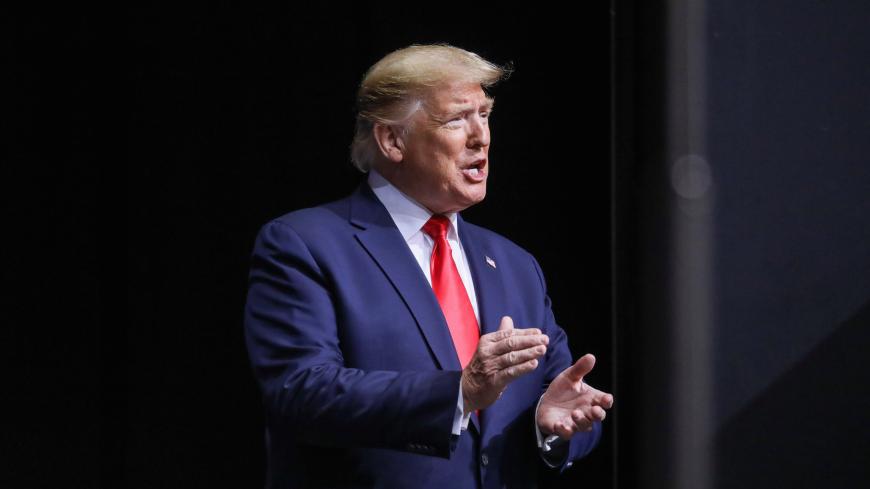

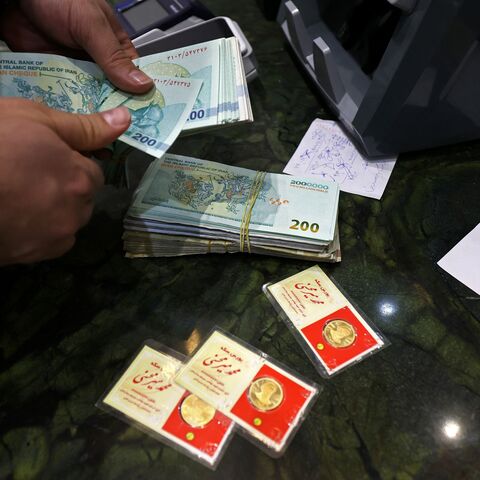
Newsletter: Business & Tech Markets eye Hormuz breakthrough Markets have been cautiously optimistic after US President Donald Trump suggested that a deal to reopen the Strait of Hormuz could be announced as early as Wednesday. By Jack Dutton In Bristol, reporting on regional business, climate change, AI, tech
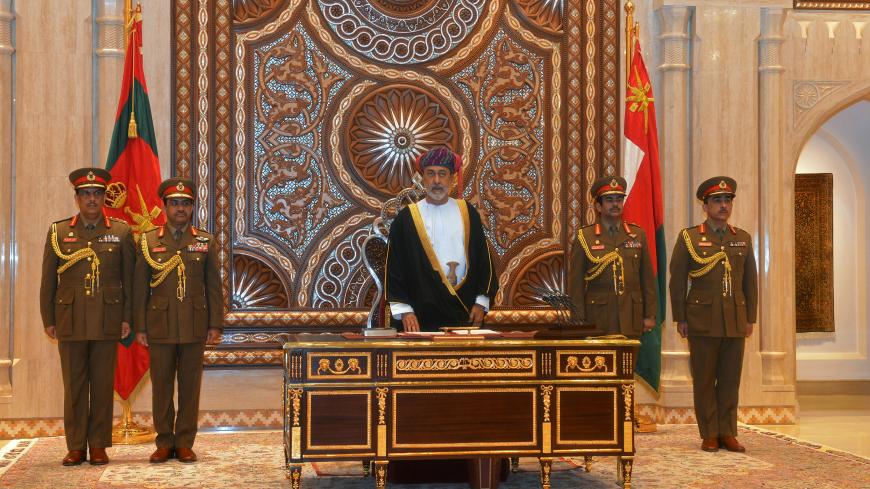
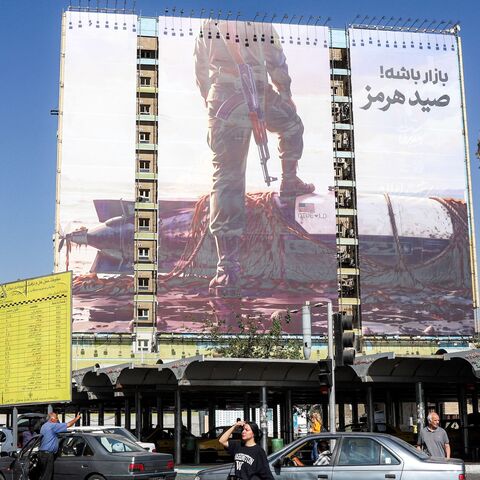
Explainer Iran-Oman deal spurs Hormuz hopes as Red Sea threats evolve Iran has signaled that an agreement was reached with Oman establishing a Hormuz shipping route even as Houthi attacks in the Red Sea expand. Iran
Newsletter: Gulf Gulf states map out a post-Hormuz export strategy Saudi Arabia and Kuwait unveiled fresh plans to bypass the Strait of Hormuz this week, the latest step in a broader Gulf effort to build a more resilient export network following five months of war. By Francesco Schiavi In Bologna, reporting on security, defense, economy, governance
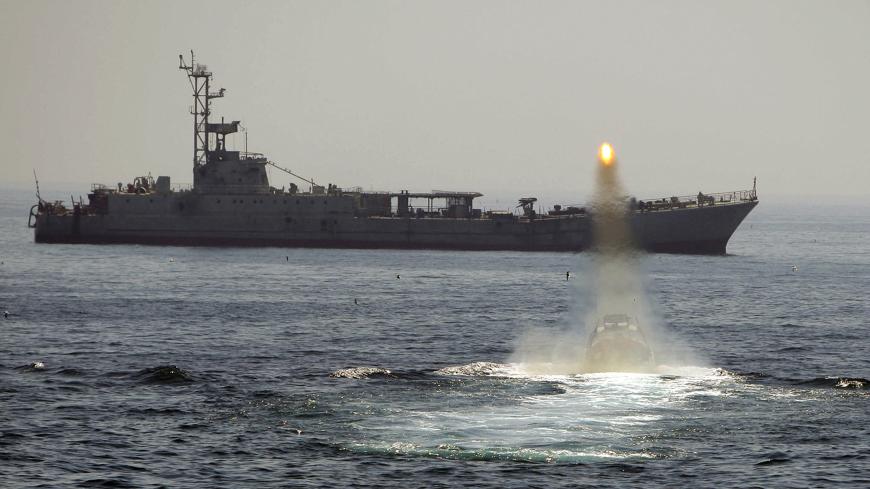
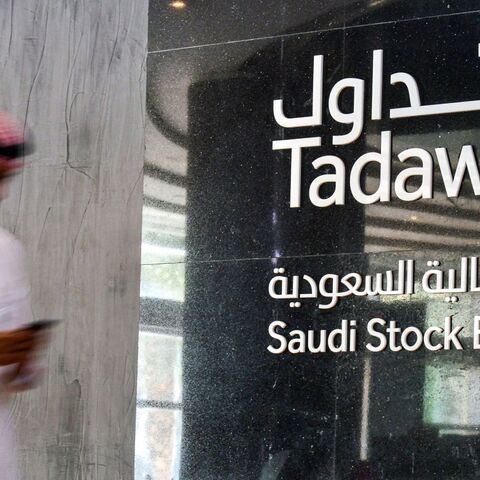
US stock markets soar to new records amid Hormuz deal hopes The S&P 500, Nasdaq Composite and Dow Jones Industrial Average are on track for their best five-day performance since April 2025. Iran
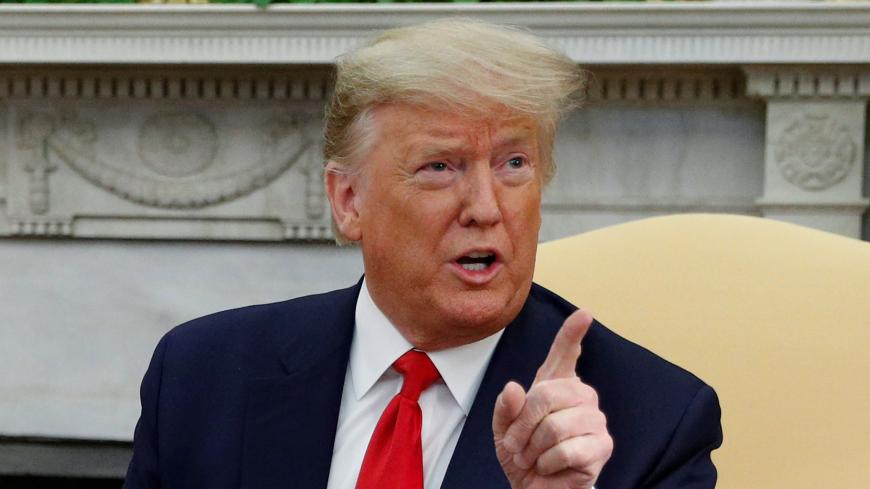
Newsletter: Daily Briefing Trump says Hormuz to reopen after ‘very good’ Iran talks By Ezgi Akin In Ankara, reporting on diplomacy, EU-Turkey ties, NATO
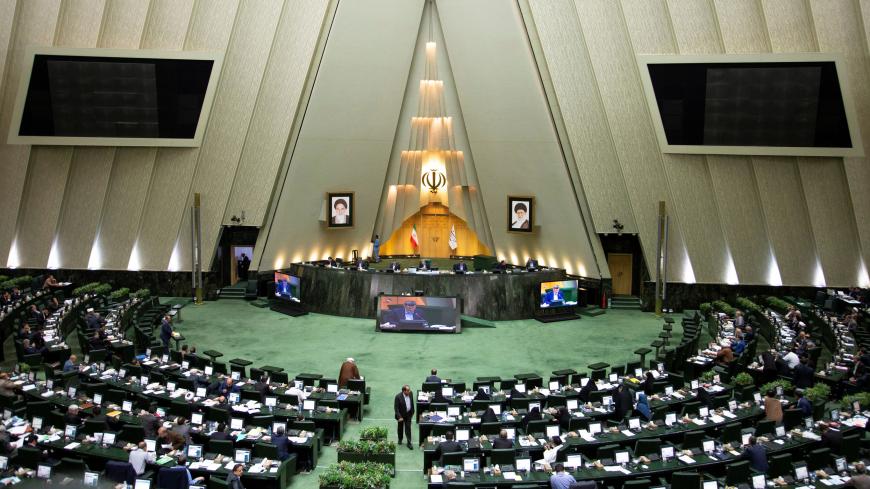
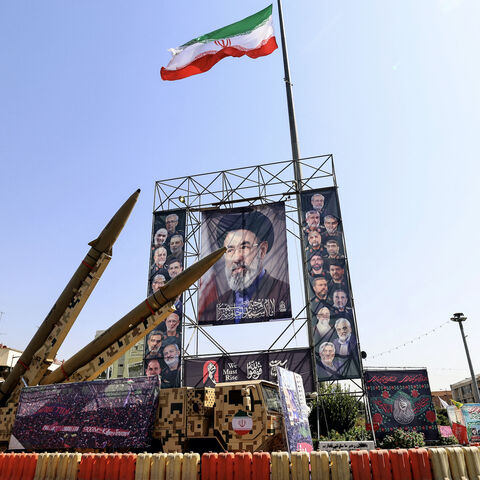
Analysis Why Iran is fighting to keep Hormuz at center of US negotiations By A correspondent in Tehran In Tehran, reporting on politics
Iran opposition lobbied Giuliani, CEO of United Against Nuclear Iran New lobbying disclosures raise new questions about the ties between the hawkish organization United Against Nuclear Iran to the Mujahedeen-e-Khalq. United States
Erdogan treads carefully on Soleimani killing Turkish President Recep Tayyip Erdogan was cautious in his first comments on the US killing of Iran’s Qasem Soleimani, criticizing the move but being careful not to align Ankara with Tehran. Turkey
Iran's fractious hard-liners hold edge as parliamentary election approaches Despite their divisions, Iran's conservatives and hard-liners are still likely to dominate the legislative elections next month, as many progressives are rejecting the vote entirely. Iran
Pentagon pushed back internally on strike against Iranian military leader In the days preceding President Donald Trump's order for the drone strike that took out Qasem Soleimani, Pentagon officials were split over whether to carry out the strike. Iraq
Large turnout in Iran for Soleimani funeral Iran witnessed some of its largest crowds for the funeral of Qasem Soleimani, who was killed in a US strike Jan. 3. Iraq
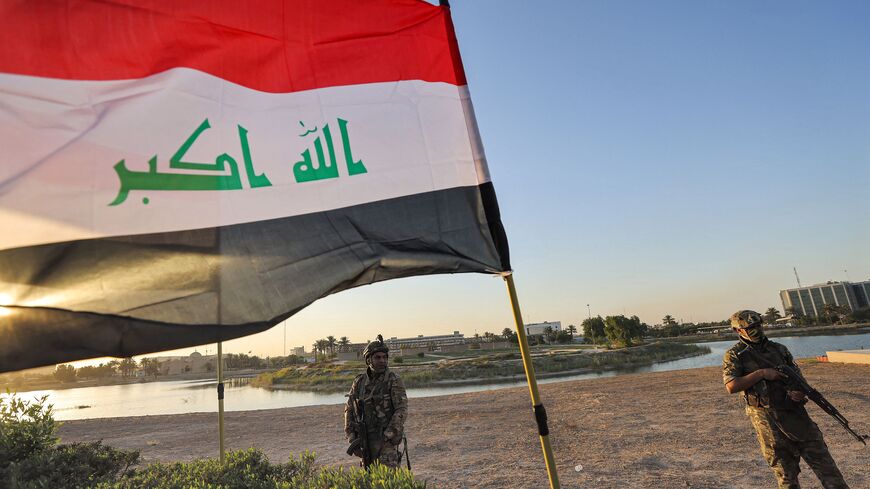
US expresses hope troops will stay in Iraq after parliament vote Iraq's parliament votes for a nonbinding resolution to expel US troops as the United States pauses operations against the Islamic State. Iraq
Iraqi armed factions vow revenge for Shiite commanders’ killings Iraqi politicians and leaders of Shiite armed groups now incorporated into government forces have vowed to get revenge for the US drone attack that killed IRGC commander Qasem Soleimani and Kataib Hezbollah militia chief Abu Mahdi al-Muhandis. Iraq
White House defiant as Iraq threatens to expel US troops over Soleimani strike Iraq’s potential vote to expel US forces for assassinating Maj, Gen. Qasem Soleimani could spell trouble for the campaign against the Islamic State. Iraq
What Iran lost with Soleimani’s killing The top military commander’s influence went beyond his military prowess, and will be something that no successor can likely replicate. Iraq
US prepares for potential Iranian escalation and Iraq expulsion The Donald Trump administration is bracing for potential Iranian attacks throughout the Middle East after a Pentagon strike killed the paramilitary leader Qasem Soleimani Jan. 3. Iraq
Iraq can’t survive a US-Iran war The Iraqi government is on edge after the United States takes out Islamic Revolutionary Guard Corps' Quds Force commander Qasem Soleimani, calls for restraint. Iraq
Top commander's assassination leaves Iran with very few options to retaliate Following Qasem Soleimani's assassination in Iraq, there has been heightened concern about an Iranian reaction. But due to Tehran's economic hardship, decreased support from the public in Middle East societies and international isolation, Iran isn't likely to seek revenge militarily against the United States. Iraq