Shadowy extremist group claims Damascus church attack

A little-known Sunni Muslim extremist group claimed responsibility on Tuesday for a weekend suicide attack against a church in Damascus, while the Syrian government insisted they were part of the Islamic State group.

Sunday's attack killed 25 people and wounded dozens, striking terror into Syria's Christian community and other minorities.

A statement from Saraya Ansar al-Sunna said an operative "blew up the Saint Elias church in the Dwelaa neighbourhood of Damascus", adding that it came after an unspecified "provocation".

Mourners carry the coffins of some of the 25 people killed in a weekend church bombing in  Damascus in a procession through the Syrian capital's Al-Qassaa neighbourhood.

UN condemns 'weaponisation of food' in Gaza

The United Nations on Tuesday condemned what it said was Israel's "weaponisation of food" in Gaza and called it a war crime, urging its military to "stop shooting at people trying to get food".

The head of the UN agency supporting Palestinian refugees also called a new US- and Israel-backed food-distribution system in the Gaza Strip an "abomination".

The Gaza Humanitarian Foundation began handing out food in Gaza on May 26 after Israel completely cut off supplies into the occupied Palestinian territory for more than two months, sparking warnings of mass famine.

The UN condemned what it said was Israel's 'weaponisation of food' aid in Gaza

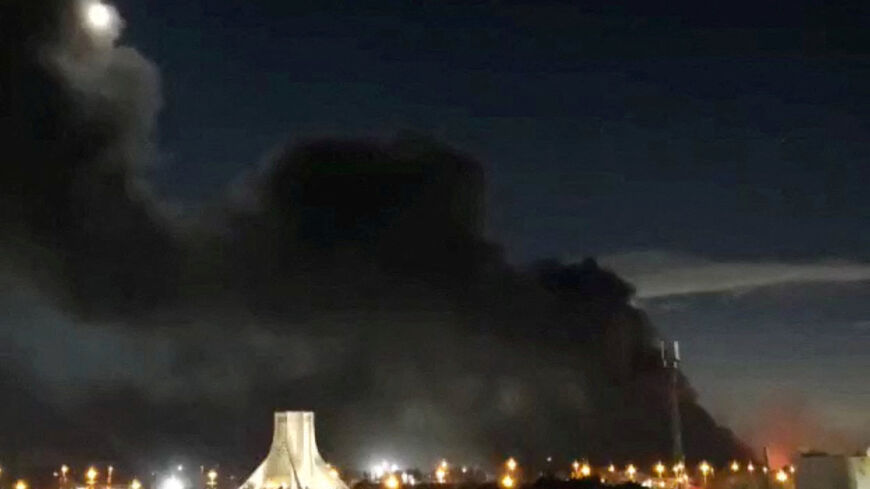
Iran-Israel war: latest developments

Classified US intelligence suggests that American strikes on Iran set back its nuclear programme by just a few months, contradicting President Donald Trump's claim of total destruction.

Here are the latest developments as a truce between Iran and Israel appeared to be holding early Wednesday:

- US intel report -

US media on Tuesday reported that a classified US intelligence document had concluded that American strikes last weekend did not fully eliminate Iran's centrifuges or stockpile of enriched uranium.

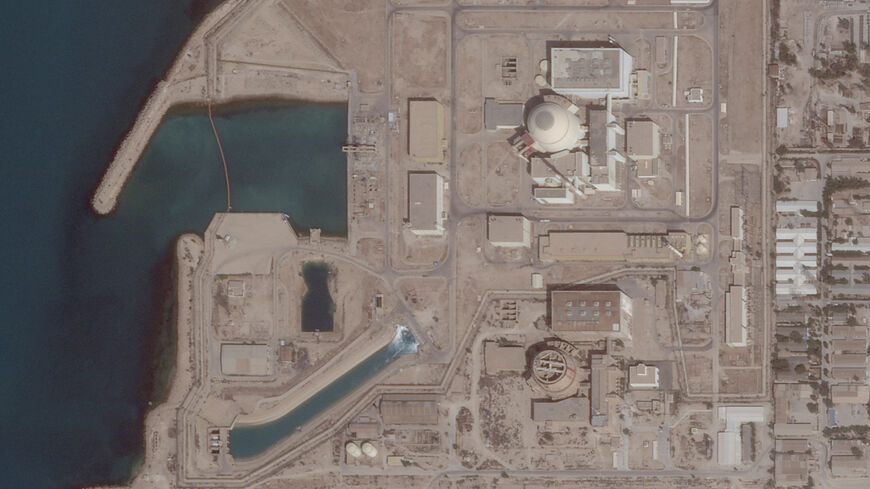
Fordo underground uranium enrichment site hit by US strikes

With missiles overhead, Tel Aviv residents huddle underground

As night falls in Israel's coastal city of Tel Aviv, hundreds make the familiar descent into the depths of the metro to escape the latest salvo of Iranian missiles.

For those with no safe shelters near their homes, the city's underground stations and car parks have become vital refuges since the war began on June 13.

Despite nightly missile barrages, Israel's casualty toll has remained relatively low, with authorities repeatedly stressing the importance of taking cover in life-saving protected spaces.

People take shelter in the Tel Aviv metro

Pro-Palestinian protest leader details 104 days spent in US custody

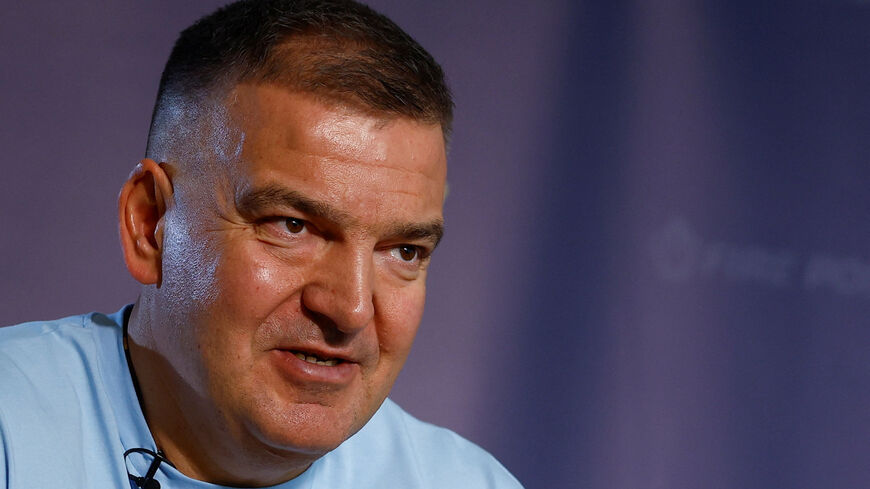
Mahmoud Khalil, one of the most prominent leaders of pro-Palestinian protests on US campuses, recounted his experience surviving 104 days in Immigration and Customs Enforcement detention after being targeted for deportation by the Trump administration.

"I shared a dorm with over 70 men, absolutely no privacy, lights on all the time," the 30-year-old said Sunday on the steps of Columbia University, where he was a graduate student.

Former Columbia University graduate student Mahmoud Khalil (L) spent 104 days in federal detention after being targeted by the Trump administration for deportation

Iran willing to return to talks as ceasefire with Israel takes hold

Iran said on Tuesday that it was ready to return to negotiations with the United States, as a fragile ceasefire in its war with Israel took hold after 12 days of strikes that pummelled the Islamic republic's nuclear facilities.

But even as he appeared to express willingness to revisit nuclear talks derailed by Israel's surprise attack, Iranian President Masoud Pezeshkian said his country would continue to "assert its legitimate rights" to the peaceful use of atomic power.

The United States on Sunday had joined Israel's campaign with strikes on key nuclear sites.

Iran and Israel have been in a shadow war for decades, but this has been by far the most destructive confrontation between them

Gender not main factor in attacks on Egyptian woman pharaoh: study

She was one of ancient Egypt's most successful rulers, a rare female pharaoh who preceded Cleopatra by 1,500 years, but Queen Hatshepsut's legacy was systematically erased by her stepson successor after her death.

The question of why her impressive reign was so methodically scrubbed has attracted significant debate, but in new research published Monday, University of Toronto scholar Jun Wong argues far too much emphasis has been placed on her gender.

The mummified remains of Queen Hatshepsut, ancient Egypt's most famous female pharaoh, at the Cairo Museum in 2007

Trump wants quick win in Iran, but goal remains elusive

President Donald Trump vowed that his order to bomb Iran would be a one-off and not the beginning of another prolonged US war in the Middle East.

But with Trump musing about everything from "unconditional surrender" to regime change, it remains to be seen if the US intervention will remain limited -- or if Iran will let it be.

Two days after the United States bombed Iran's key nuclear sites as part of an Israeli-led military campaign, Iran fired missiles at a major US base in Qatar that were shot down.

US President Donald Trump addresses the nation on striking Iran, alongside Vice President JD Vance, Secretary of State Marco Rubio and Secretary of Defense Pete Hegseth

Bluff and last-minute orders: Trump's path to Iran decision

When Donald Trump said on Thursday he'd give himself two weeks to decide on bombing Iran, critics wrote it off as the US president using a familiar timeframe to put off difficult decisions.

The next evening he left the White House for a fundraising dinner at his New Jersey golf resort, and much of the world seemed to believe that there was still space for diplomacy.

In reality, Trump was already on the verge of making his mind up.

US President Donald Trump was in the Situation Room of the White House as the bombs fell on Iran

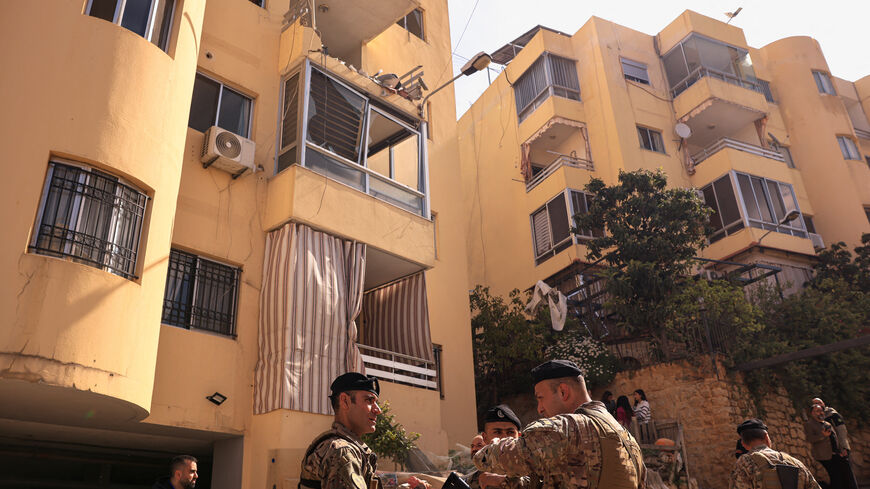
Fearful Syrian Christians demand justice, protection after church bombing

After eight members of her family, including her husband, were killed in a suicide bombing in a Damascus church, Laure Nasr demanded justice while Syria's minority communities worried about their future.

"I want (Syrian interim President) Ahmed al-Sharaa to personally bring me justice," a distraught Nasr said on Monday as she received mourners at her home.

"Isn't he the president? Are we not a democratic state now?" she said, after Sunday's attack, which came more than six months after Islamist-led forces ousted longtime ruler Bashar al-Assad.

The Orthodox patriarchate in Damascus called on the authorities to 'ensure the protection of all citizens'