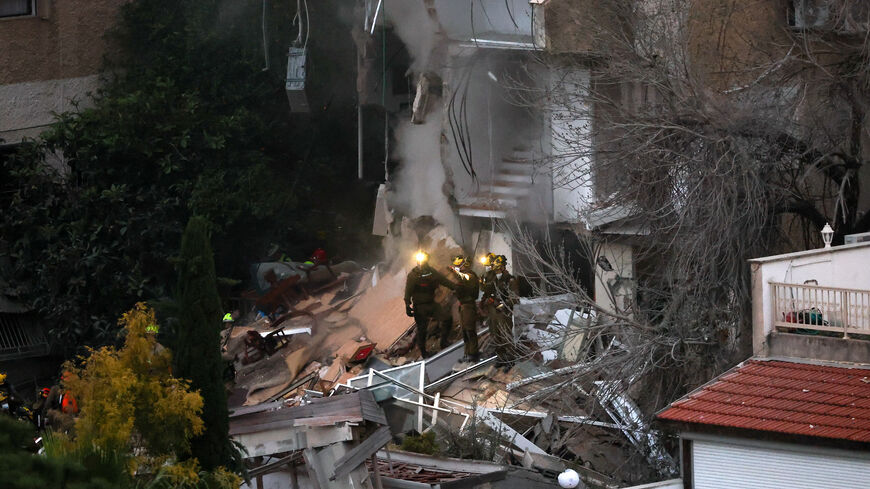
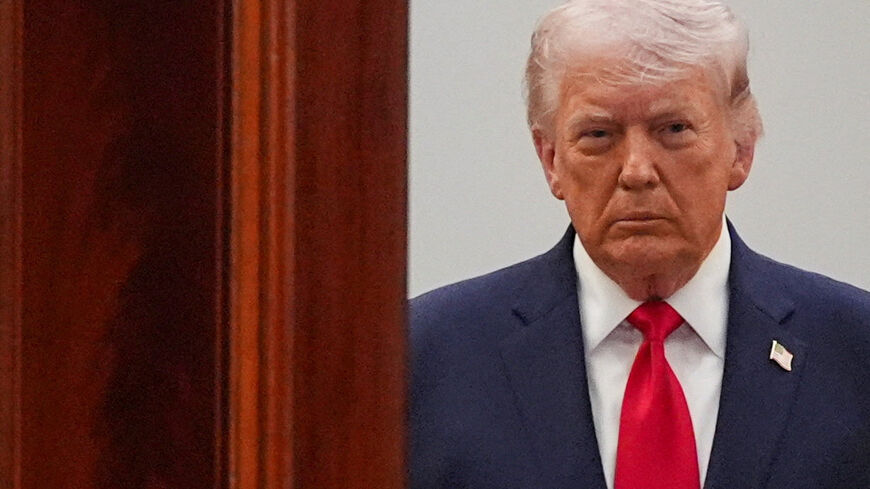
Russia says it has seen no evidence that Iran was developing nuclear weapons

MOSCOW, March 3 (Reuters) - Russian Foreign Minister Sergei Lavrov said on Tuesday that Moscow had still seen no evidence that Iran was developing nuclear weapons as the U.S. and Israel pursue their attack.

U.S. President Donald Trump has offered various reasons for going to war with Iran. On Monday, in his most extensive public comments so far, he said he had ordered the attack to thwart Tehran's nuclear and ballistic missile programmes.

Russian Foreign Minister Sergei Lavrov attends a meeting with Second Minister of Foreign Affairs of Brunei Erywan Yusof in Moscow, Russia, March 3, 2026. Pavel Bednyakov/Pool via REUTERS

Key Gaza crossing will be reopened, says World Food Programme

By Emma Farge

GENEVA, March 3 (Reuters) - A key aid crossing that had been momentarily closed into Gaza will reopen imminently, the United Nations World Food Programme said on Tuesday.

Humanitarian supplies will be able to enter through the Kerem Shalom crossing into the enclave between Tuesday and Wednesday, the WFP said.

"That is timely for us, and we need to get in aid as fast as we can," Samer Abdel Jaber, WFP Regional Director for the Middle East, North Africa, and Eastern Europe, told reporters in Geneva via video link from Cairo.

A view shows a sign as trucks carrying aid (not pictured) wait at the Israeli side of the Kerem Shalom border crossing to southern Gaza in southern Israel, October 20, 2025. REUTERS/Hannah McKay/File Photo

IAEA confirms entrances to Iran's Natanz enrichment plant were bombed

VIENNA, March 3 (Reuters) - Entrances to Iran's underground and previously bombed uranium-enrichment plant at Natanz have been struck as part of the U.S.-Israeli military attacks on the country, the U.N. nuclear watchdog confirmed on Tuesday.

The underground Fuel Enrichment Plant (FEP) is one of Iran's three uranium-enrichment plants that are known to have been operating when Israel and the United States carried out strikes on Iranian nuclear facilities last June.

A satellite image shows a closer view of the Natanz Nuclear Facility with new building damage, amid the U.S.-Israeli conflict with Iran, near Natanz, Iran, March 2, 2026. Vantor/Handout via REUTERS

At least 30,000 displaced people in shelters in Lebanon, says UN refugee agency

GENEVA, March 3 (Reuters) - At least 30,000 displaced people have sought protection in shelters in Lebanon since hostilities between Israel and Hezbollah began on Monday, the United Nations refugee agency said on Tuesday.

"Conservative estimates suggest that nearly 30,000 people were hosted and registered at collective shelters," said UNHCR spokesperson Babar Baloch.

"Many more slept in their cars on the side of roads or were still stuck in traffic jams on the roads," he added.

Debris at the site of an Israeli strike on a building that houses Al-Manar TV offices in Beirut's southern suburbs, following an escalation between Hezbollah and Israel amid the U.S.-Israeli conflict with Iran, Lebanon, March 3, 2026. Picture taken with a mobile phone. REUTERS/Stringer

Turkey eyes lifting U.S. CAATSA sanctions before U.S. midterms

ANKARA, March 3 (Reuters) - Turkish Foreign Minister Hakan Fidan said work was underway with the United States to lift sanctions imposed on Ankara before the U.S. midterm elections in November, but added Israel was opposed to the potential move.

In 2020, Washington imposed CAATSA sanctions on fellow NATO member Turkey over its acquisition of Russian S-400 systems. It also removed Ankara from the F-35 fighter jet programme, a move Turkey called unjust and illegal.

Turkish Foreign Minister Hakan Fidan speaks during an interview with Reuters at the 23rd edition of the annual Doha Forum, in Doha, Qatar, December 6, 2025. REUTERS/Ibraheem Abu Mustafa

More than 30,000 displaced in Lebanon by Middle East war: UN

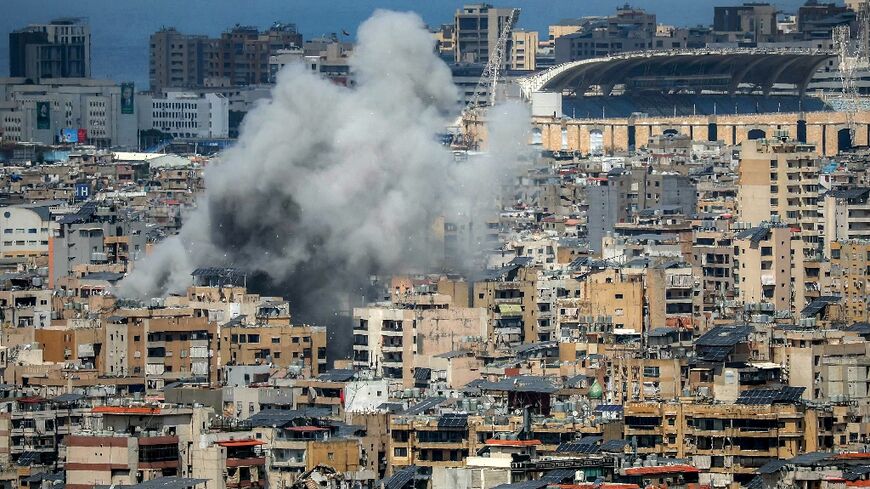
More than 30,000 people have been forced to flee their homes in Lebanon by the escalation of hostilities in the Middle East, the United Nations said Tuesday.

Israel is continuing to carry out air raids in Lebanon in a campaign against Iran-backed militant group Hezbollah, particularly on the southern suburbs of the capital Beirut and the south of the country, after issuing evacuation warnings to residents.

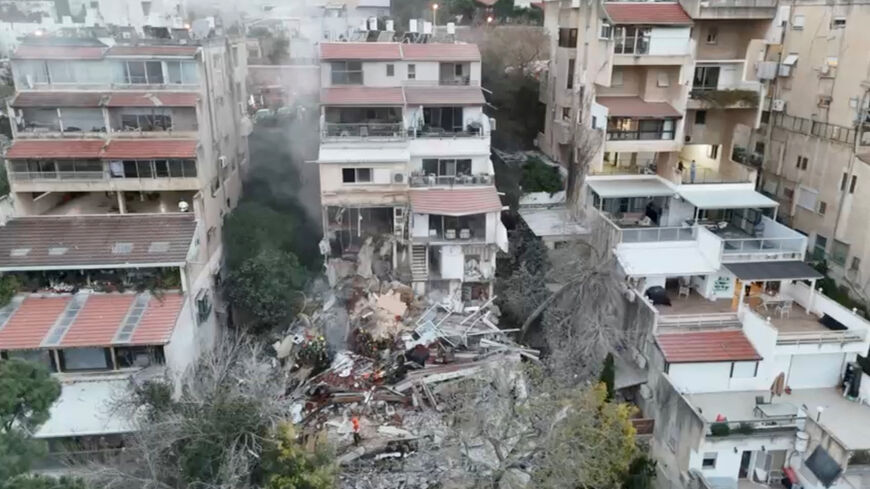
A firefighter inspects the debris after an Israeli air strike in southern Beirut

UN urges all sides in Middle East war to 'come to their senses'

The United Nations on Tuesday urged all parties to "come to their senses" and end the war in the Middle East, with fear and panic spreading across the region and beyond.

UN human rights chief Volker Turk said he was "deeply shocked" by how the conflict was affecting civilians.

"The fear, the panic, the anxiety experienced by millions of people in the Middle East and beyond is palpable -- and was entirely avoidable," his spokeswoman Ravina Shamdasani told a press conference in Geneva.

"The situation is worsening and widening by the hour, playing out our worst fears."

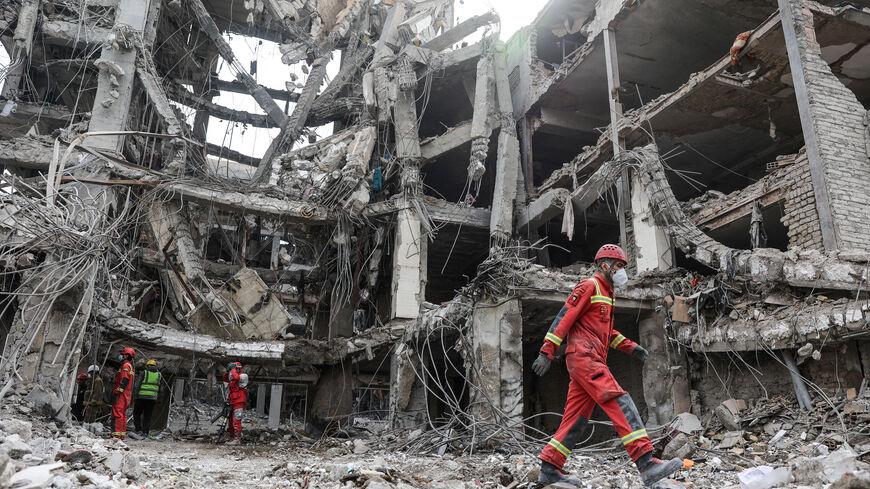
People inspect the rubble of a collapsed building in Tehran. The UN rights chief urged all sides to 'come to their senses' and end the conflict

Israel launches new strikes as Iran squeezes key oil shipping route

Israel launched fresh strikes on Iran and Lebanon, where state media reported a residential building was hit on Wednesday, as Iran's Guards said they had sealed off one of the world's most vital shipping routes for energy.

Governments scrambled to evacuate citizens stranded in the Middle East, where Iran expanded a retaliatory missile and drone barrage on the fifth day of a war that sent stocks sinking.

Plumes of smoke rise from the sites of Israeli airstrikes on the southern suburbs of Beirut

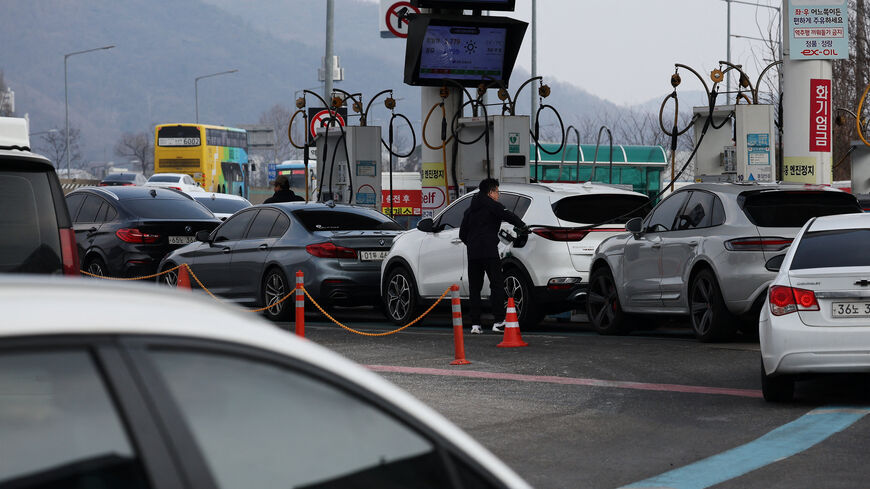
Mideast war exposes fragile oil, gas dependency

As in 2022 when Russia invaded Ukraine, the new war in the Middle East is exposing once again how far Europe and others lag in replacing imported fossil fuels with domestic solar and wind power, specialists say.

The Russian invasion in 2022 triggered a massive energy crisis, particularly in Europe, where gas prices -- then largely dependent on imports from Russia -- soared.

Four years later, the continent is instead importing liquid natural gas (LNG) in large volumes, notably from Qatar -- one of the countries caught up in Iran's retaliation against US and Israeli attacks.

Much of the world's gas and oil passes through the Strait of Hormuz