Iraq and Turkey resume oil flows via pipeline damaged by ISIS: What to know
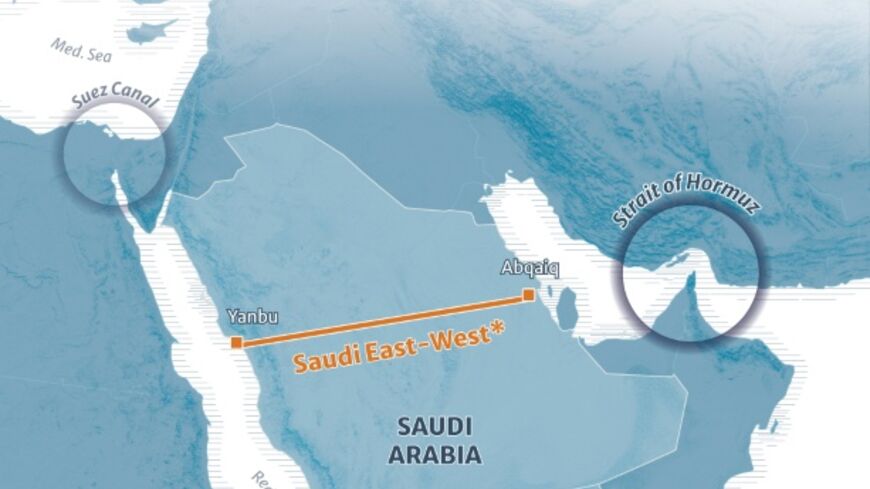
The restart follows Iraq increasing its oil exports via another pipeline to Turkey and the Strait of Hormuz after major losses related to the war.


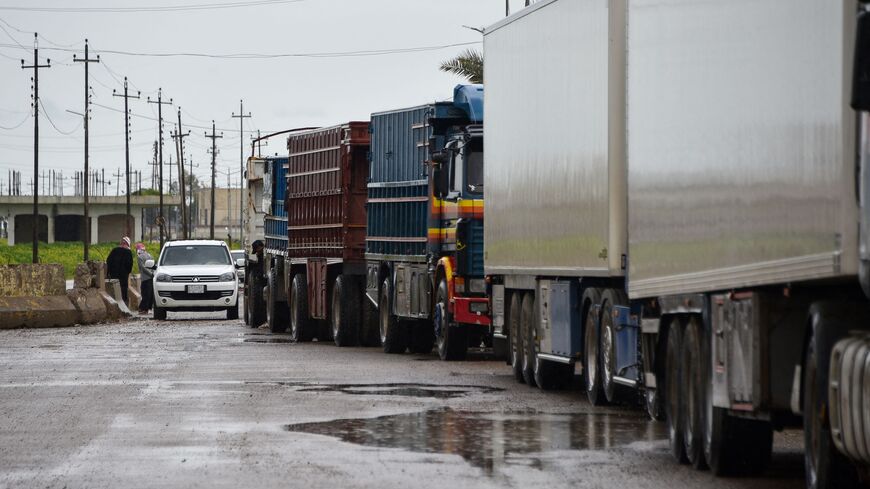
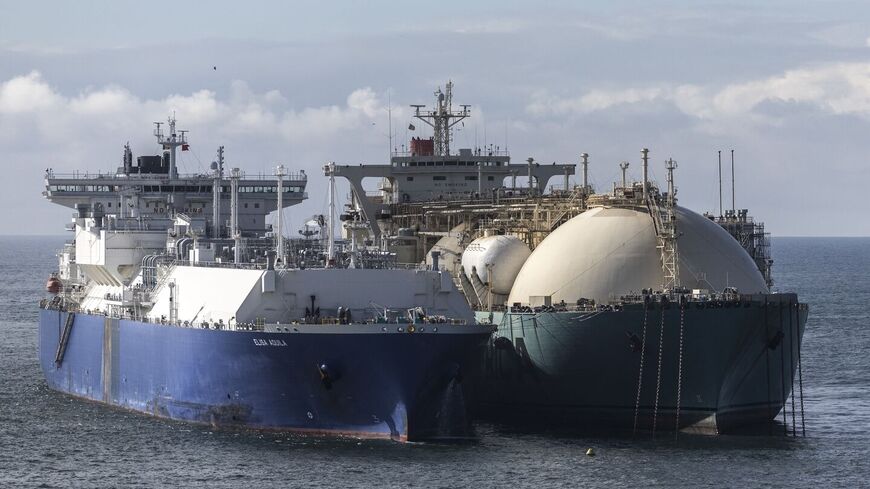
Iraq and Turkey resumed oil flows via a long-shuttered pipeline on Tuesday, marking another sign that Baghdad’s oil exports are recovering after Strait of Hormuz-related disruptions cost the country billions of dollars in lost revenue.
What happened: Iraqi Oil Minister Basim Mohammed Khudair said that pumping of crude oil for export via the Iraq-Turkey pipeline has commenced with an initial export capacity of 120,000 barrels per day, following the completion of rehabilitation work and testing, the official Iraqi News Agency reported.
Khudair said that exports would “gradually” increase to 500,000 bpd, and called the resumption an important step toward “strengthening Iraq’s export capacity and diversifying crude oil export outlets.”
There was no immediate comment from Turkish officials, though Turkey’s state-run Anadolu Agency reported Khudair’s comments.