What Israel's election could mean for Palestinians in Gaza, West Bank
The ouster of Prime Minister Benjamin Netanyahu could provide Palestinians some relief, but is unlikely to improve their prospects for statehood.


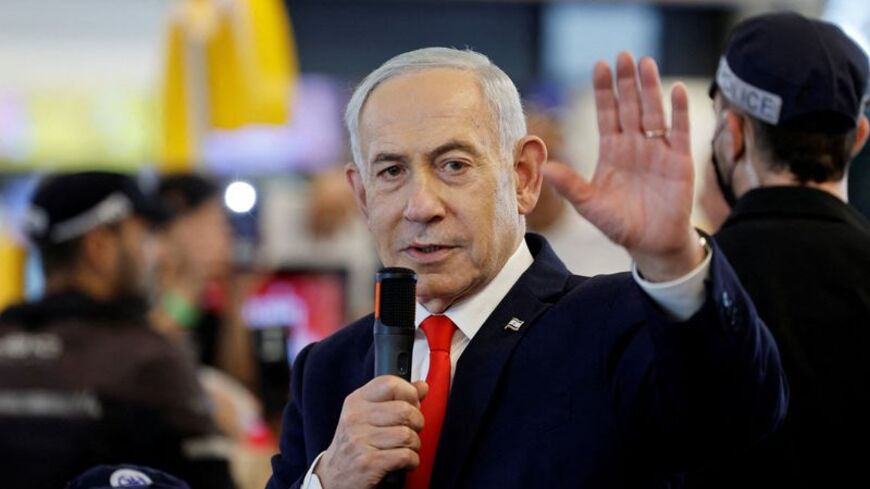
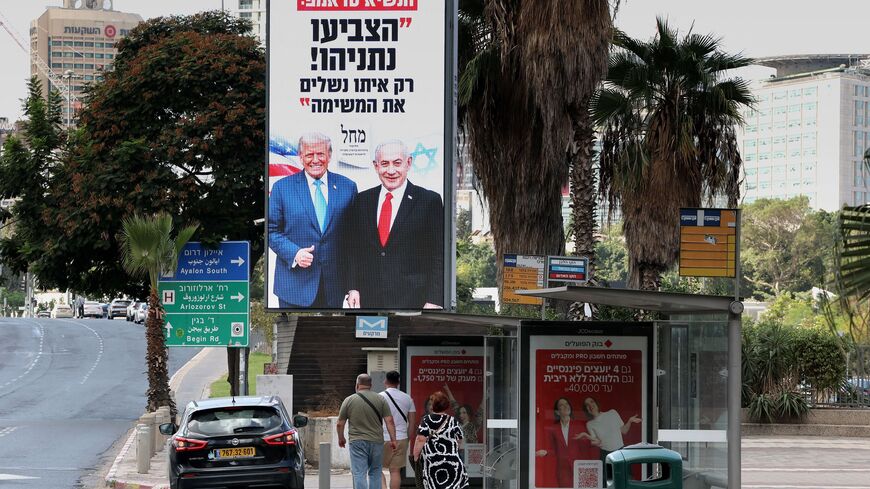
The upcoming Israeli elections could bring a changing of the guard in Israel, which experts say could usher in policy shifts affecting Palestinians across Gaza, the West Bank and within Israel, from settler violence and Palestinian prisoners to crime in Arab communities and the release of withheld tax revenues.
On Sept. 26, five Israeli opposition leaders signed a pact pledging to work together to form a government after elections, if Netanyahu's tenure comes to an end.
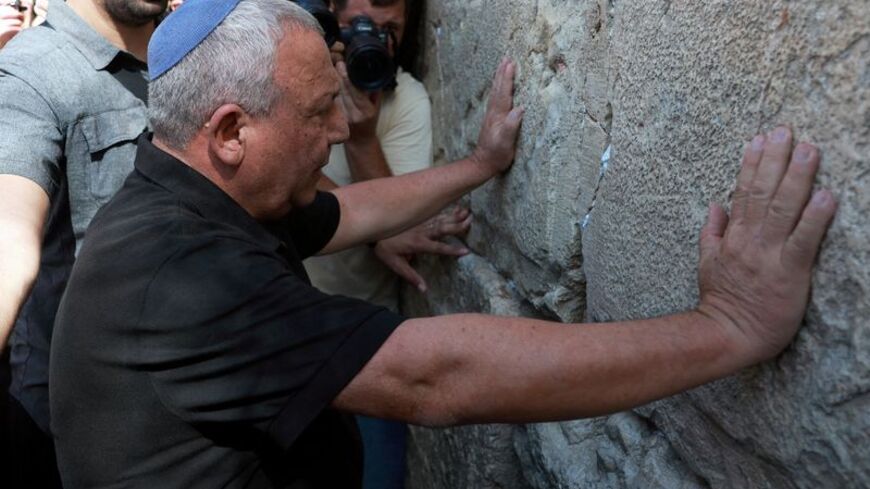
The bloc consists of Gadi Eisenkot’s Yashar, Naftali Bennett and Yair Lapid’s Together alliance, Avigdor Lieberman’s Yisrael Beiteinu and Yair Golan’s Democrats. Eisenkot is considered a likely choice to lead the government if the coalition prevails.
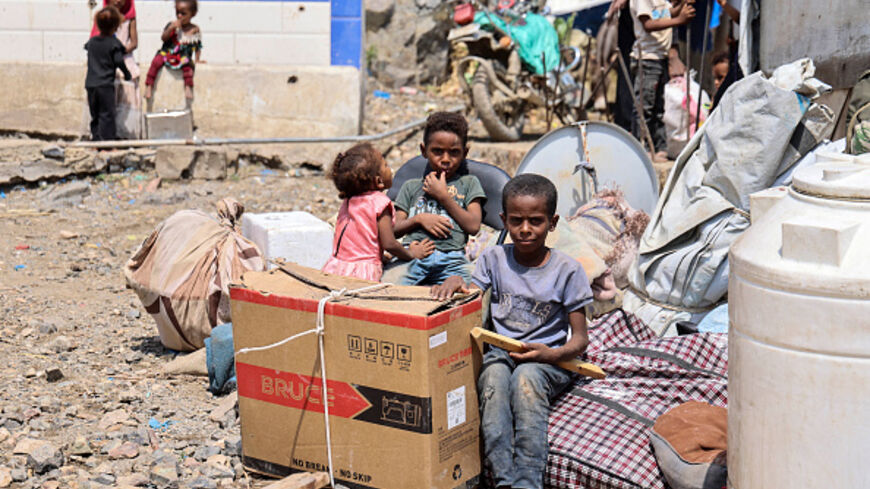
A Netanyahu defeat could bring some changes to the lives of the 3.4 million Palestinians on the West Bank, 2.1 million in Gaza and 1.9 million in Israel, possibly delivering policy shifts on settler violence, economic pressures and the fight against crime.