Pragmatic politics: Why Turkey avoids blaming Russia for Black Sea attacks
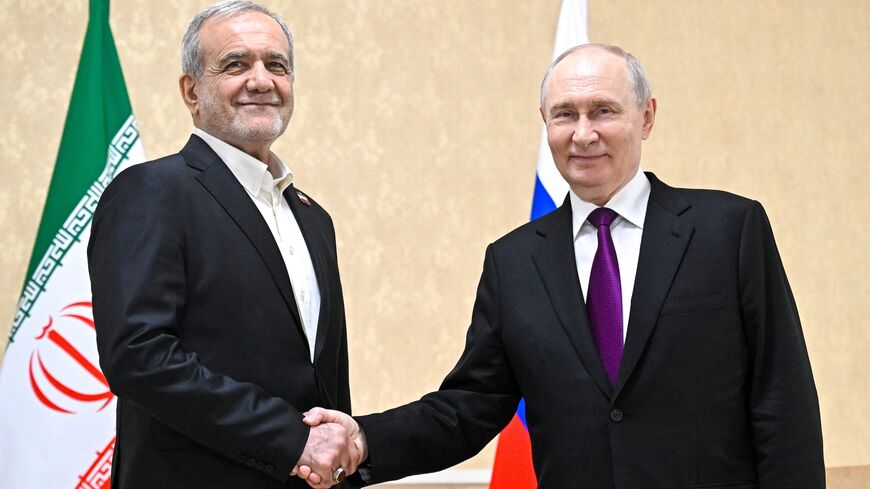
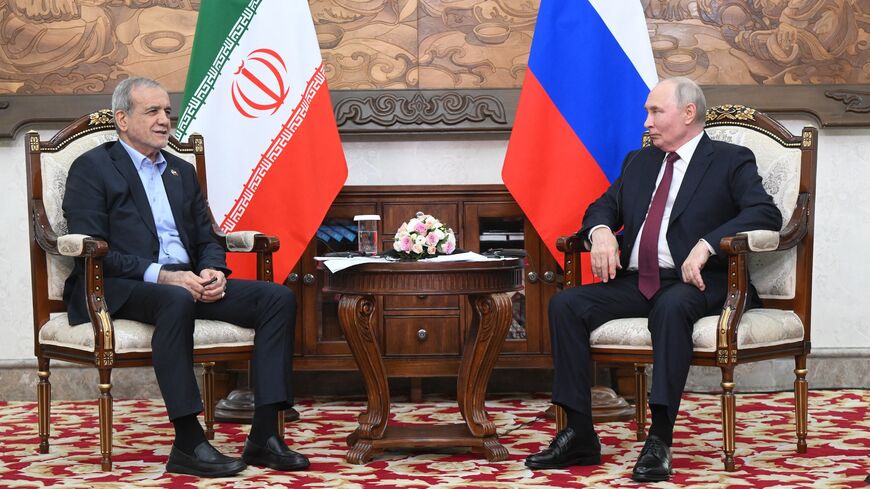
Beyond economics, Ankara’s approach is also shaped by maintaining its role as an indispensable mediator between the Kremlin and the West.


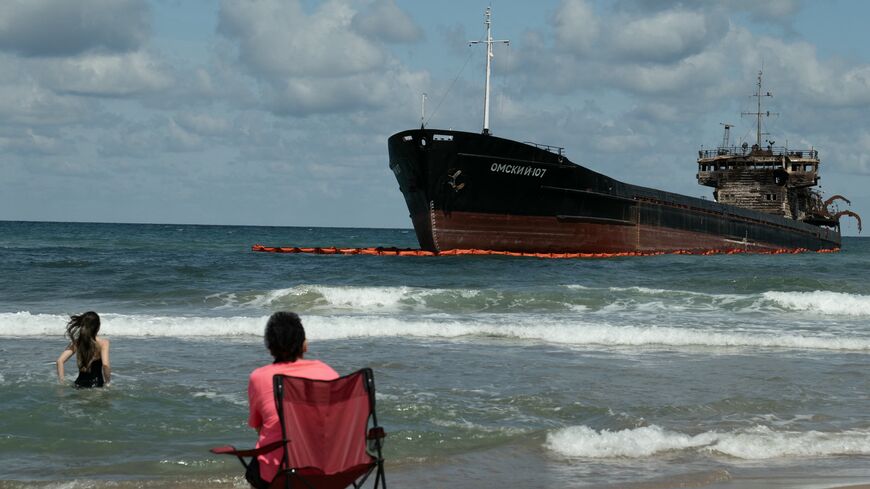
ANKARA — Several deadly Black Sea attacks on Turkish-linked vessels are testing Turkey’s relations with Russia, but economic interests, active mediation efforts and Ankara’s incentive to preserve its balancing act between Moscow and the West make a rupture unlikely.
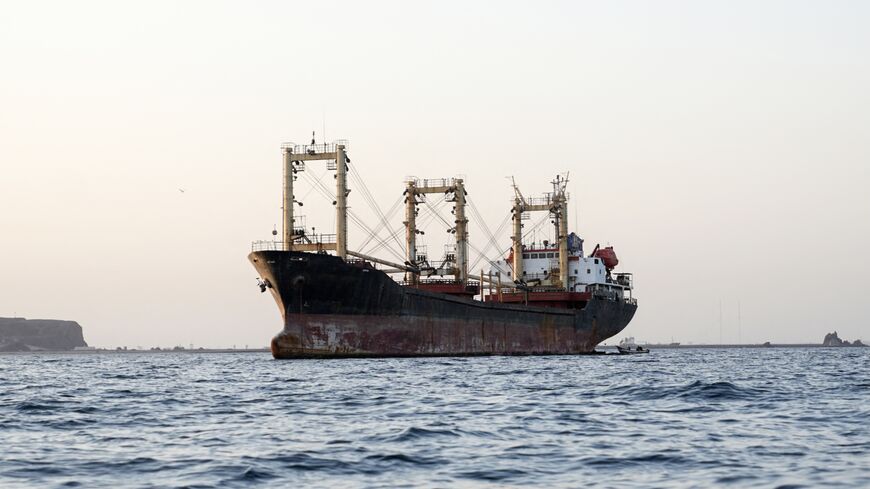
Earlier in the week, a series of strikes on commercial vessels owned or operated by Turkish companies resulted in at least two deaths, while 10 additional crew members remained missing and feared dead.
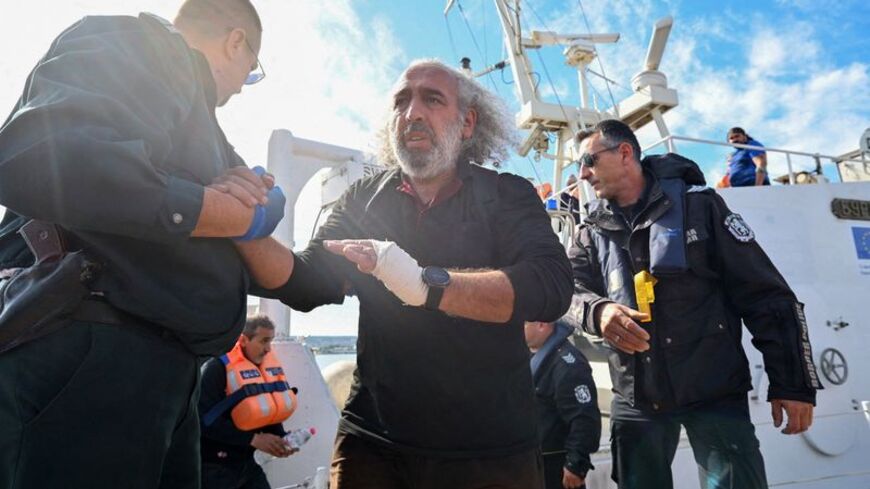
On Monday, the Turkish-owned St. Kitts and Nevis-flagged Royad Mammadov, carrying corn from Ukraine’s Izmail port to Italy, caught fire and sank in Romania’s exclusive economic zone. Romanian authorities said two crew members were killed and 11 rescued.
A day later, sea and aerial drones struck two more Turkish-owned vessels in Bulgaria’s exclusive economic zone, about 70 nautical miles east of the Bulgarian coast. According to the Equasis shipping database, the Togo-flagged Alfa Watan was owned or operated by a Turkey-based company. It sank rapidly with 10 crew members aboard, including nine Syrians.