


Israel sees record voter turnout as Netanyahu faces crucial test
For the first time since the Oct. 7 Hamas-led attack, Israelis are heading to the polls in elections widely seen as crucial to the country’s future.


TEL AVIV — Polling stations opened Tuesday morning across Israel in elections widely seen as pivotal for the country’s future and its democratic institutions.
By 6 p.m. local time, voter turnout had reached 66.7%, with 4.9 million Israelis having cast their ballots, the Central Elections Committee said, describing it as the “highest ever” since it began recording the data in 1973. The committee is currently discussing demands by Likud and other coalition parties to extend voting hours.
Prime Minister Benjamin Netanyahu urged his supporters to vote, warning on X, “Buses are heading to polling stations, and huge queues are being reported in Arab communities.” He added, “If we don’t get out and vote now, we’ll find ourselves with a government made up of Arab parties.”
Later in the day, Netanyahu’s Likud party petitioned the Central Elections Committee to extend voting beyond the 10 p.m. closing time, without giving a reason. Shas, which joined the request, cited the high turnout and the risk that voters waiting in line would not be able to cast ballots. The committee rejected the petition, saying the high turnout reflected strong public engagement in the democratic process and that there was no justification to extend voting at this stage. It reiterated that anyone in line at 10 p.m. would be allowed to vote.
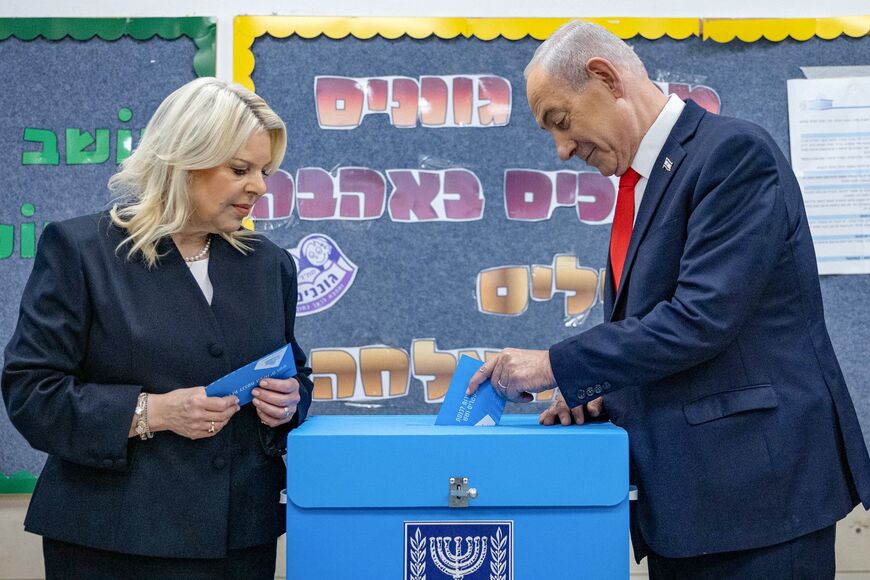
An estimated 7.3 million Israelis are eligible to vote, according to the Central Elections Committee — about half a million more than in the December 2022 elections. Around 12,000 polling stations opened at 7 a.m. local time and will remain open until 10 p.m. The main television channels will broadcast exit polls immediately after voting ends.
Official results are expected by Wednesday or Thursday, the committee said.
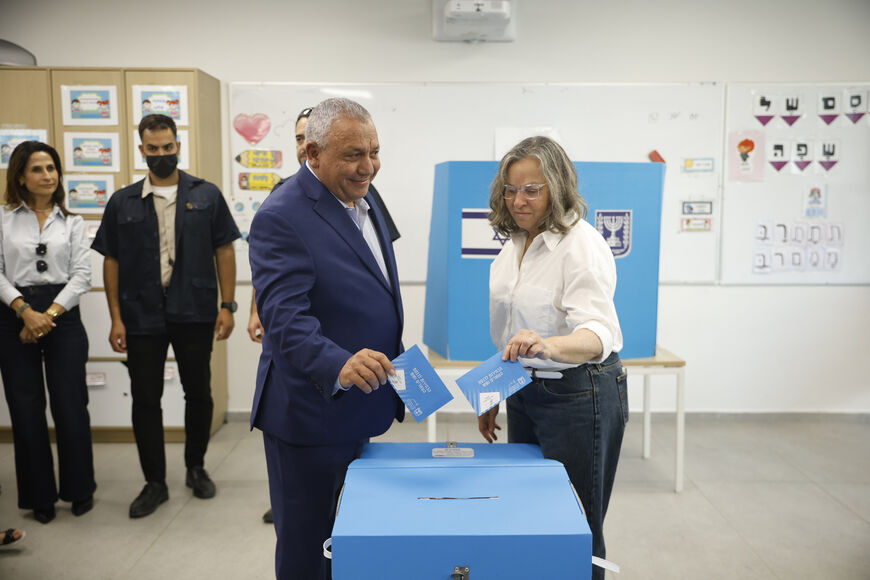
The elections will determine the composition of Israel’s 120-seat parliament, the Knesset. The president will then task the candidate deemed most capable of assembling a parliamentary majority with negotiating the formation of the next government. According to opinion polls over the past four months, the two leading contenders are opposition leader and center-right Yashar party head Gadi Eisenkot and Likud leader and incumbent Prime Minister Benjamin Netanyahu.
According to estimates by Israeli public broadcaster Kan, more than 60,000 Israelis living abroad have returned to the country to vote.
This developing story has been updated since initial publication.
This one's on us.
The story doesn't end here.
Our correspondents are already on the next chapter. Read everything they file, from $2/week.
See Offers