Yemen's Houthis push deeper into Red Sea, capture 2 islands: What to know

The group has captured the Greater and Lesser Hanish islands, expanding its foothold in the southern Red Sea.


AFP via Getty Images
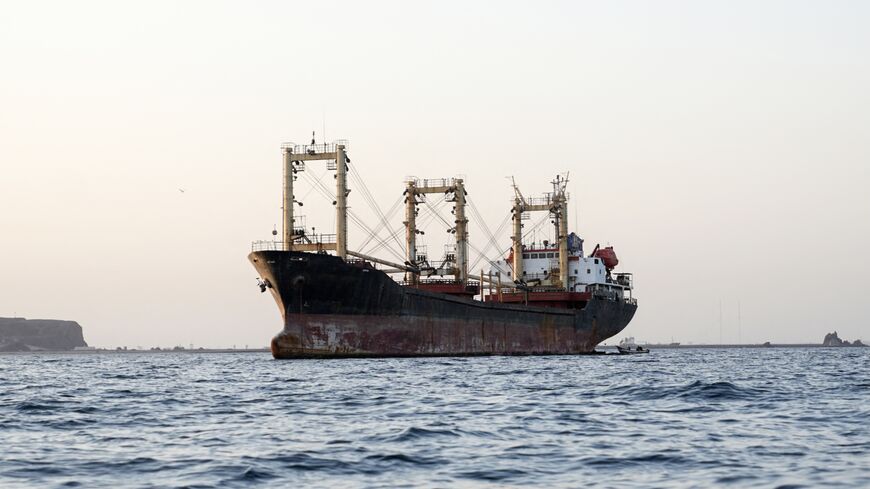
Fishermen motor past a commercial vessel anchored off Yemen's coast at Bab al-Mandeb, in the straits connecting the Red Sea with the Gulf of Aden and the Indian Ocean on Sept. 12, 2026. — AFP via Getty Images

Yemen’s Iran-backed Houthis have captured two strategic islands in the southern Red Sea, expanding their foothold in the waterway as Saudi Arabia faces growing pressure on its oil export routes. 

What happened: The Associated Press, citing two Yemeni government officials and a Houthi official, reported on Monday that the Houthis had captured the Greater and Lesser Hanish islands. It is unclear when exactly the group wrested control of them.

Yemen Shabab TV reported on Sunday that nearly 1,000 government-aligned soldiers who had been stationed on the Hanish islands as well as the Zuqar island arrived in Djibouti, fleeing a Houthi attack.

The Hanish islands lie about 100 miles (160 kilometers) north of the Bab al-Mandeb Strait, between Yemen and Eritrea. Their capture extends the Houthis' influence farther into the southern Red Sea, following last week's seizure of the port city of Mokha and Perim Island, also known as Mayyun Island, which divides the strait into two shipping lanes. 

Bab al-Mandeb is a strategic chokepoint connecting the Red Sea with the Gulf of Aden and the wider Indian Ocean. 

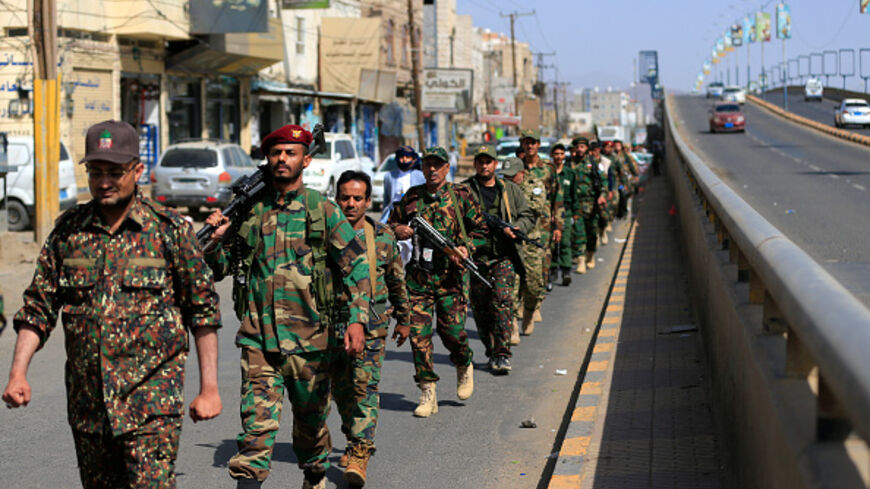
Background: Attention is turning to Marib, where a Houthi buildup has increased fears that the group could capture what is now the government's most important remaining foothold in northern Yemen. Yemeni media reported over the weekend that the Houthis had moved fighters and military equipment into areas of the province under their control. 

Marib is home to much of Yemen’s oil and gas production and its key energy infrastructure. 

Fighting has also intensified in western Taiz, where Saudi Arabia-backed government forces are pushing to regain territory lost to the Houthis last week. 

Yemen’s military said on Sunday that it had recovered areas taken by the Houthis west of Taiz, including parts of “the Jirdad area in the Shamayyatayn district, and advanced toward the Ghayl Bani Umar area.”

The US-based Institute for the Study of War reported that the Houthis also tried to advance on Monday in Lahij’s al-Madaribah district in Yemen’s southwest corner, and that the Houthis have not made any confirmed advances in Lahij so far on Monday.

The World Health Organization said that between Sept. 6 and 12, fighting across Yemen had killed 504 people and wounded 2,379 others. At least 77,789 people were displaced across a number of governorates as of Friday.

Why it matters: The escalation is putting mounting pressure on Saudi Arabia, which has maintained a military presence in Yemen since 2015, when it led a coalition that intervened in the country’s civil war to support the Yemeni government against the Houthis.

In a post to X on Monday, Houthi spokesperson Yahya Saree said that the group had carried out an operation “targeting military facilities and infrastructure, including warplane hangars, radars, runways, ammunition depots and other targets at King Khalid Airbase in Khamis Mushait, using dozens of ballistic missiles and drones.”

Saree said in a post on Sunday that Saudi forces had committed 58 airstrikes over the past 24 hours. 

The Houthis’ growing presence in the Red Sea and Bab al-Mandeb Strait is threatening the Gulf state’s ability to move its crude to global markets. 

The Associated Press reported on Monday, citing two regional officials, that the kingdom’s East-West Pipeline will be mostly out of service for three to five weeks after being damaged by drone attacks. 

The kingdom had been relying on the pipeline as an alternative route to bypass the Strait of Hormuz, where the conflict between Iran and the US has severely disrupted oil shipments. The pipeline carries crude from Saudi Arabia’s oil fields in the east to the Red Sea port of Yanbu. 

Satellite images released by Vantor on Sunday appeared to show major damage to a pumping station along the pipeline. 

Know more: On Monday, Saudi Crown Prince Mohammed bin Salman met with US Central Command commander Adm. Brad Cooper in Jeddah. The meeting came days after Axios reported that the Saudi ruler had asked the US for military assistance against the Houthis. Reuters later reported that President Donald Trump declined to authorize direct US strikes but Washington told Riyadh it would provide intelligence-sharing and targeting assistance.

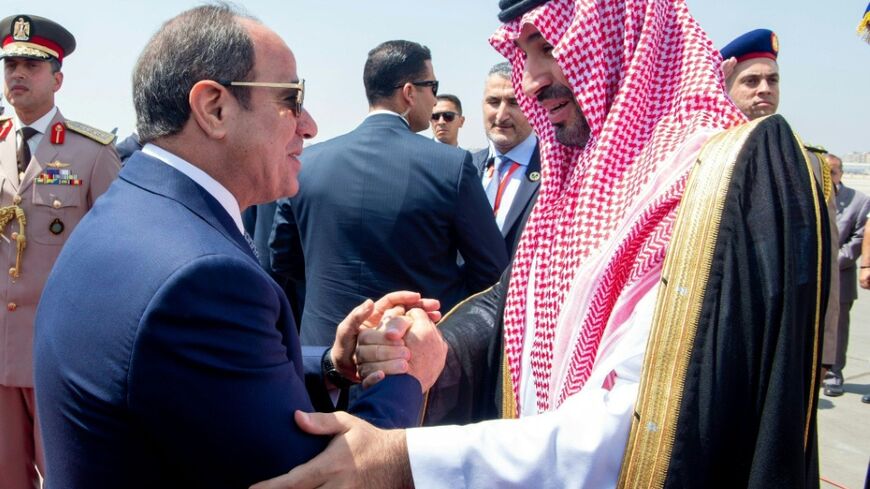
The crown prince is also expected to travel to Egypt on Tuesday for talks with President Abdel Fattah al-Sisi on the Bab al-Mandeb Strait.

On Sunday, Vice President JD Vance said that the US has held talks with the Houthis. "We've been engaged in direct conversations with the Houthis themselves," Vance told reporters. He added that the US was watching the situation closely.  

Related Topics

You're reading a free AL-MONITOR Original

Want more like this?

AL-MONITOR All-Access gives you unlimited access to all our journalism, the full Daily Briefing, exclusive interviews, premium newsletters, and live events — for less than $2/week.

See Offers