MBS hosts Sheikh Mansour as Saudi-UAE ties thaw: What to know

The renewed outreach comes as Saudi Arabia faces mounting attacks from the Iran-backed Houthis.

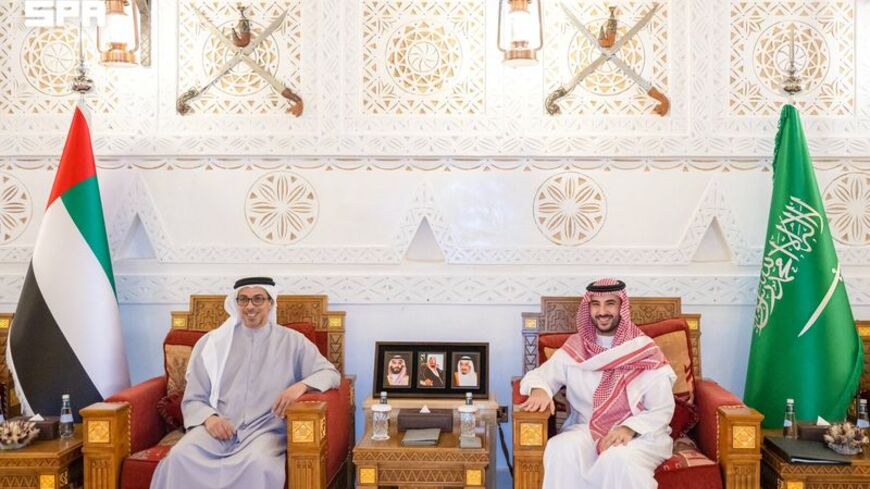
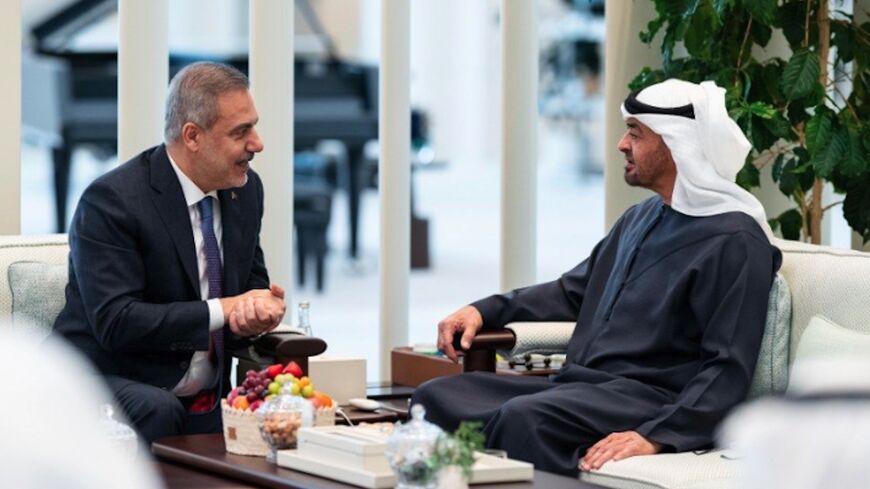
UAE Vice President Sheikh Mansour bin Zayed held talks with Saudi Crown Prince Mohammed bin Salman
United Arab Emirates Vice President, Deputy Prime Minister and Chairman of the Presidential Court Sheikh Mansour bin Zayed held talks with Saudi Crown Prince Mohammed bin Salman Sept. 29, 2026, in Riyadh. — Saudi Press Agency

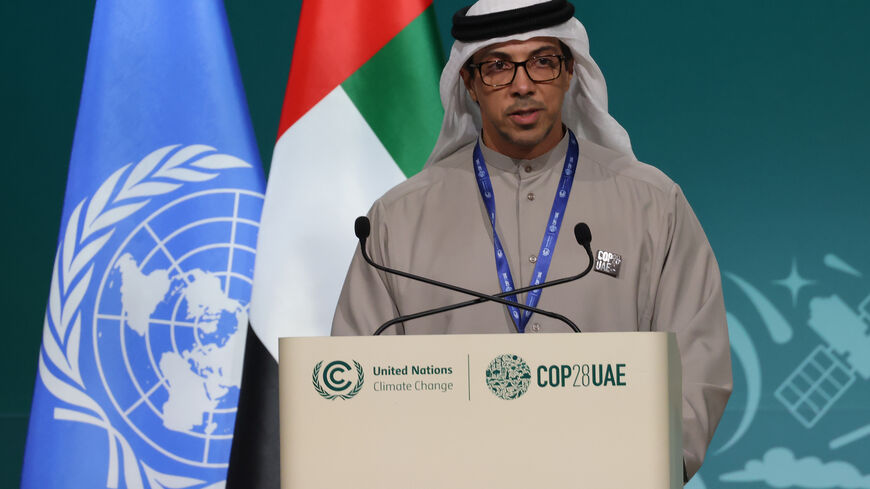
The United Arab Emirates’ vice president, Sheikh Mansour bin Zayed, held talks in Riyadh on Tuesday with Saudi Crown Prince Mohammed bin Salman and the kingdom’s defense minister, marking the first high-level bilateral meeting since a deep rupture over Yemen pushed tensions between the two Gulf powers into the open last year.

According to the Saudi Press Agency, Sheikh Mansour and Prince Mohammed “reviewed the fraternal relations between the two brotherly countries and the latest developments in the region,” the agency reported. Prince Khalid bin Salman, the Saudi defense minister and a younger brother of Mohammed bin Salman, also attended the meeting, according to SPA.

Following the meeting, Prince Khalid wrote on X that he was “delighted” to meet Sheikh Mansour “to continue fraternal consultations and exchange visions,” as the two Gulf states work “to continue enhancing joint cooperation and close coordination in various fields.” He referred to Saudi Arabia as Sheikh Mansour’s “second homeland.” 

Sheikh Mansour separately met with Prince Khalid, according to the official Emirati news agency WAM. The two sides “discussed ways to further develop these relations in a manner that serves the mutual interests of both countries,” WAM said. 

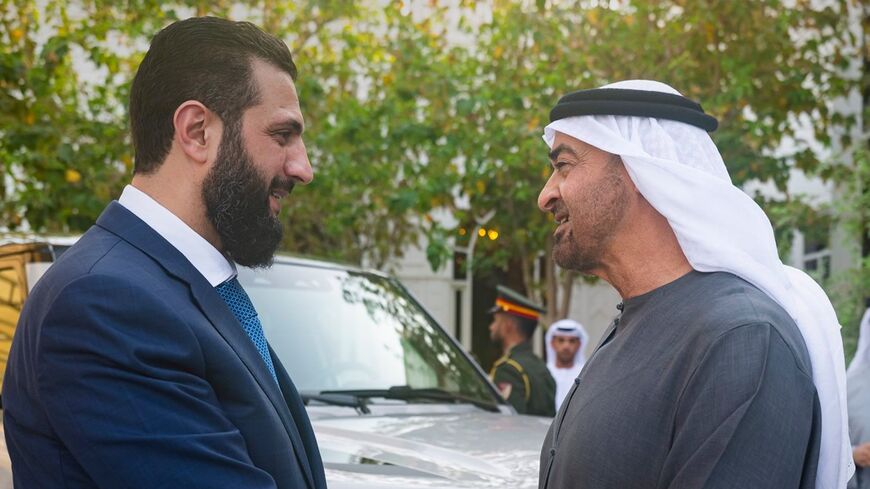
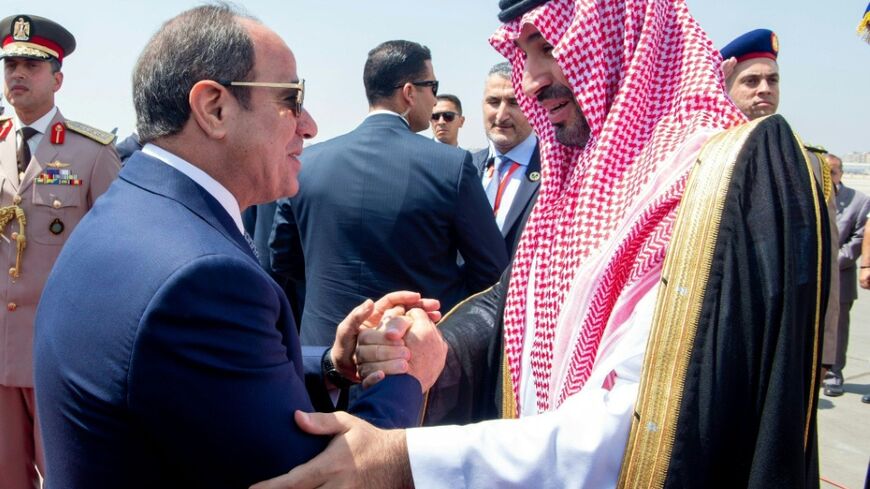
In late July, Sheikh Mansour and Prince Khalid were pictured embracing in a photo posted by Saudi General Entertainment Authority chief Turki Alalshikh, who said the photo had been taken days earlier. The image appeared to reinforce a broader push by senior Saudi and Emirati officials to publicly emphasize ties between the two countries after months of tension.

WAM said Sheikh Mansour was accompanied by Ali Mohammed bin Hammad Al Shamsi, secretary-general of the Supreme Council for National Security; Ali Saeed Matar Al Neyadi, chairman of the National Emergency, Crisis and Disaster Management Authority; and Nasser Humaid Al Nuaimi, secretary-general of the Tawazun Council for Defense Enablement, as well as other senior officials.

The renewed outreach comes as Saudi Arabia faces mounting security pressure from the Iran-backed Houthis. In a statement on Monday, the Saudi Defense Ministry said Prince Khalid had invited Sheikh Mansour to visit the kingdom. 

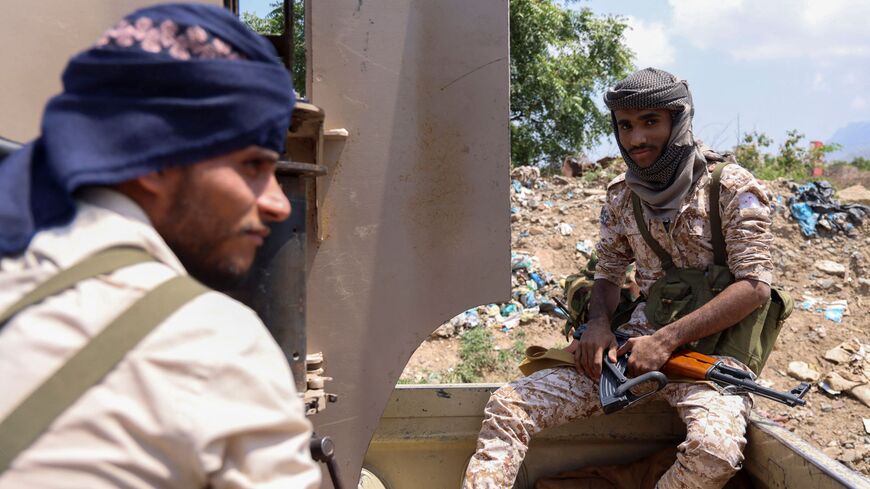
The Houthis have intensified attacks on Saudi territory and Saudi-linked shipping in recent weeks while advancing along Yemen’s Red Sea coast and seizing positions overlooking the Bab el-Mandeb Strait. Saudi-backed forces have struggled to contain the offensive.

The gains are especially concerning for Riyadh as the war with Iran has disrupted shipping through the Strait of Hormuz, increasing the strategic importance of the Red Sea as an alternative route for Saudi oil exports.

Saudi Arabia and the UAE were once close partners in Yemen, joining the 2015 intervention against the Houthis, but later backed rival anti-Houthi factions. 

Tensions peaked in December 2025, when the UAE-backed Southern Transitional Council seized territory near the Saudi border, bringing the two factions into direct military confrontation after Riyadh accused the UAE of backing operations that threatened its security. 

The Yemen dispute has been part of a broader deterioration in relations between Riyadh and Abu Dhabi. The two countries have also backed opposing sides in Sudan’s war, with Saudi Arabia supporting the Sudanese Armed Forces and the UAE accused by UN investigators and the Sudanese government of providing military support to the rival Rapid Support Forces, a charge Abu Dhabi denies. 

In May, the UAE left OPEC after nearly six decades, underscoring a growing divergence with Saudi Arabia over energy policy. Abu Dhabi said the move reflected its long-term economic strategy and plans to expand domestic production, while Riyadh has remained the group’s de facto leader and a key advocate of coordinated output policy.

An AL-MONITOR subscriber gifted you this article. Gifted by an AL-MONITOR subscriber.

A gift worth sharing.

This one's on us. Subscribe for unlimited access to everything we publish, plus gift articles for your inner circle. As low as $2/week. This one's on us. Get unlimited access, plus gift articles for your inner circle, from $2 a week.

See Offers

Related Topics