Explainer

How Houthi gains near Bab al-Mandeb raise threat to Saudi oil flows

The Iran-linked militants are advancing on the Red Sea coast following the capture of the strategic port of Mokha, bringing the group closer to full control of the Bab al-Mandeb Strait.

Strait
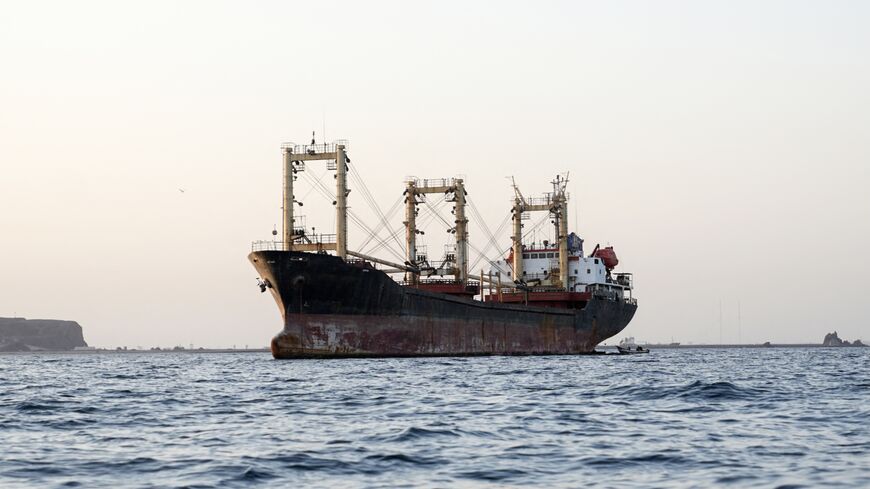
Container ships are seen anchored near the Bab al-Mandeb Strait off Yemen's coast in the Gulf of Aden on Aug. 6, 2026. — AFP via Getty Images

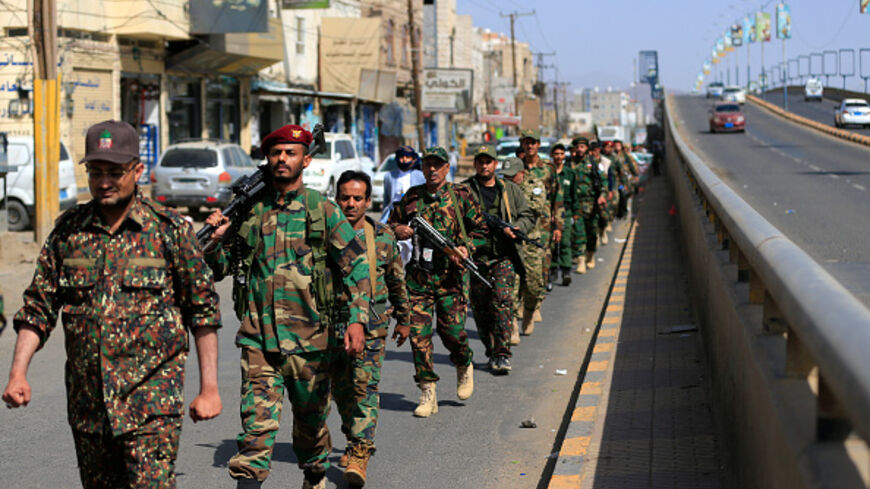
Yemen's Houthis are advancing on the Red Sea coast following the capture of the strategic port of Mokha and reported deployments on nearby islands, bringing the Iran-linked militants closer to the narrowest point of the Bab al-Mandeb Strait.

The offensive could strengthen the Houthis’ position around the key global trade chokepoint, allowing them to pose a growing threat to Saudi Arabia’s oil exports at a critical moment in the wider US-Iran war.

What happened: Houthi forces seized control of Mokha in southwestern Yemen on Thursday, according to four Yemeni government military sources cited by Reuters, after Saudi-aligned forces withdrew south toward Dhubab. 

The offensive began about a week earlier, when the group launched a major push against territory held by Yemen’s internationally recognized government in Taiz province. The Houthis have since advanced along the western coast, reportedly closing in on Dhubab, which sits directly on the Bab al-Mandeb Strait. Mokha had remained under government control since 2017 and lies roughly 40-50 miles (65-80 kilometers) north of the strait.

The group has also begun deploying forces on Hanish and Perim islands, per reports from the Wall Street Journal and others. Perim sits in the strait, dividing the waterway into two shipping channels. Establishing positions on Perim and the nearby islands would allow the Houthis to operate much closer to transiting vessels.

The offensive follows a sharp escalation in the wider Yemen conflict. The Houthis launched missile and drone attacks against four Saudi cities on Tuesday, injuring at least 73 people and temporarily disrupting some energy operations. More than 500 people have reportedly been killed since fighting erupted in western Yemen the previous Thursday.

Why it matters: Mokha’s capture does not suddenly give the Houthis total control of the Bab al-Mandeb Strait, where the Yemeni rebels have threatened shipping since launching their campaign against Israel-linked vessels in late 2023. But this offensive could materially strengthen their position over the key global chokepoint, which represents the shortest maritime route between Europe and Asia. 

An estimated 12-15% of global maritime trade volume used to pass through the Red Sea and Suez Canal before the Houthis initially began harassing maritime shipping nearly three years ago. Although the group halted attacks in 2025, shipping had not yet recovered before they announced a new campaign targeting Saudi-linked vessels in July 2026. 

The Houthis previously held territory farther north, leaving it more physically removed from the narrowest part of the strait. Pushing south toward Dhubab and potentially establishing positions on Perim and other islands would give it a more entrenched presence around the chokepoint and could make future efforts to dislodge it considerably harder and more costly.

That matters because the Red Sea has become an increasingly important pressure valve for Saudi Arabia. With the six-month US-Iran war disrupting oil exports through the Strait of Hormuz, Saudi Arabia has been diverting crude through its East-West Pipeline to Yanbu on the Red Sea for months. Saudi crude exports through the Red Sea and Bab al-Mandeb reached roughly 3 million barrels per day in July before Houthi attacks on oil tankers intensified. 

The vulnerability is already visible in Saudi oil data. Riyadh reported that production fell by 1.9 million barrels per day in August to 6.238 million bpd, while crude exports dropped to 3.2 million bpd, their lowest level in 13 years.

International benchmark Brent crude surged to nearly $110 per barrel on Thursday before easing toward $104 on Friday. Still, prices have trended higher in September and are now within sight of the wartime high of around $120 reached in April.

The longer-term concern is that the Houthis could seek to replicate Iran’s strategy in Hormuz, using their position around the chokepoint as an economic bargaining tool and potentially attempting to impose tolls on vessels. China’s reported direct talks with the Houthis over safe passage in August may offer an early indication of how other countries will respond, potentially prompting more governments to negotiate directly with the group.

Looking ahead, the Houthis are now better positioned to exert sustained pressure on shipping through the waterway. Even a resolution to the US-Iran war that reopens the Strait of Hormuz may not reduce the threat they pose in the Red Sea. Although aligned with Iran, the Houthis retain significant autonomy and do not necessarily share all of Tehran’s calculations.

Related Topics

You're reading a free AL-MONITOR Original

Want more like this?

AL-MONITOR All-Access gives you unlimited access to all our journalism, the full Daily Briefing, exclusive interviews, premium newsletters, and live events — for less than $2/week.

See Offers